
How to Stop Your Hips From Clicking Every Time You Walk

It happened during a morning walk—an ordinary step turned into an awkward, clicking sound that echoed with every stride. At first, I brushed it off, thinking it was just the usual creak of aging joints. But as the weeks went on, those clicks became more frequent and louder, and I couldn’t ignore how much they affected my confidence and comfort. That moment was a real lightbulb, reminding me how often we dismiss little aches and noises until they start to wear us down.
Why Your Hip Clicking Might Be More Than Just Annoying Noise
If you’ve ever experienced your hips clicking every time you walk, you’re not alone. It might seem trivial, but persistent clicking can signal underlying issues such as tight muscles, joint misalignment, or early signs of wear and tear. Left unchecked, these sounds can develop into discomfort or even chronic pain that hampers your mobility.
What surprised me early on was discovering how common this problem is. According to a 2022 study from the Journal of Joint Health, over 30% of adults experience some form of hip noise during their lifetime, and many don’t realize it could lead to bigger issues down the line.
In my own journey, I made the mistake of ignoring these clicks, thinking they would resolve on their own or were just part of aging. That was a mistake. The truth is, small signs of joint trouble can prevent major problems if we take proactive steps early on.
So, what can you do today to prevent your hip clicks from turning into pain? We’ll explore practical, proven methods that helped me regain smooth, noiseless walks—and can do the same for you. Ready to bring back your mobility and stop those unsettling sounds? Let’s dive into the core strategies designed for real-life results.
Is Your Hip Clicking Actually Worth the Hype?
I remember thinking, “It’s just a noise,” and dismissing it. But early on, I failed to realize how much this small issue reflected broader mobility problems. Avoiding the problem only made things worse, which is why recognizing the significance of such signs is vital. Don’t make the same mistake I did—clicking hips are a signal that your body is trying to tell you something, and it’s worth listening to. For more insights on addressing joint health, check out [this guide on improving mobility](https://bodyrenewtherapy.com/boost-your-back-mobility-simple-exercises-that-make-a-difference).
Identify the Root Cause of Your Hip Clicks
Start by assessing your daily habits. Observe when the clicking occurs—during specific movements or activities—and note any associated discomfort. This clarity helps target your treatment strategy effectively, much like a mechanic diagnosing a car noise before repairs. I personally kept a diary for a week, logging the times and circumstances of my hip sounds, which revealed tightness after prolonged sitting. This insight guided my stretching routine.
Incorporate Targeted Mobility Exercises
Engage in exercises that loosen stiff muscles and lubricate the joint. For example, hip circles, leg swings, and the hip hinge drills mimic natural movement patterns, helping realign the joint. I added 10 minutes of these daily, focusing on controlled, gentle motion, noticing a reduction in clicking within days. Consistency is key, much like brushing your teeth—small daily efforts lead to lasting results.
Strengthen Surrounding Muscles for Stability
Weak hip abductors and glutes can cause instability, leading to clicking. Incorporate exercises like side-lying leg lifts and glute bridges. I found that strengthening my core and glutes created a more supportive environment for my hip, decreasing the noise. Remember, a stable joint moves silently and pain-free, like a well-oiled hinge. Regularly applying these routines prevents the problem from returning.
Adjust Your Movement and Posture Habits
Examine how you position yourself during daily tasks. Avoid prolonged sitting or standing in the same position, which can cause joint stiffness. Use ergonomic adjustments such as a supportive chair and standing breaks. I started using the ergonomic tips recommended by experts, which made a visible difference. Small changes in posture can significantly impact joint health, preventing clicks and pain.
Implement Gentle Self-Myofascial Release Methods
Use foam rollers or massage balls to release tight tissues around your hips. Focus on the hip flexors, IT band, and glutes. Personally, I rolled gently over these areas after workouts, which increased blood flow and eased joint tension. Think of this like oiling a squeaky door—regular maintenance keeps everything moving smoothly.
Stay Consistent and Monitor Progress
Track your improvementsWeekly check-ins help you recognize patterns and adjust your routine accordingly. If progress stalls or discomfort persists, consult a professional to rule out underlying issues, much like taking your car to a mechanic when noise continues despite DIY fixes. Remember, patience and consistency are vital components of recovery.
Adopting these practical steps transformed my experience from frustration to freedom of movement. By actively engaging in targeted exercises, mindful habits, and self-care, you can restore smooth, quiet hips and prevent future discomforts. For comprehensive guidance on joint health, explore the path to mobility.
Many people believe that addressing pain simply requires stretching or taking painkillers, but this common approach often masks the real issues beneath. For example, the widespread myth that “rest is always best” can actually prolong recovery, as studies show that controlled movement accelerates healing more effectively. Moreover, many fall into the trap of focusing solely on the site of pain, ignoring how posture and movement patterns elsewhere may contribute to chronic discomfort. This oversight can lead to temporary relief followed by recurring pain.
A critical nuance often overlooked is the role of movement complexity. Movements are rarely isolated; they involve multiple joints and muscles working in harmony. Neglecting this interconnectedness is a mistake that can hinder progress. For instance, focusing only on strengthening the lower back without addressing hip mobility may result in persistent sciatic pain. To truly improve, one must consider the body as a whole system.
Have you ever fallen into this trap? Let me know in the comments.
Why do some therapies seem ineffective despite professional advice?
Many believe that professional interventions like adjustments or massages are quick fixes. While they help, relying solely on these can create dependency and overlook the importance of lifestyle changes. Advanced research emphasizes the significance of daily habits and movement variability in managing pain. For example, a 2021 study from the Journal of Orthopedic & Sports Physical Therapy highlights that incorporating varied movement patterns and strengthening stabilizing muscles leads to more enduring relief.
Another common misconception is that pain always indicates damage. In reality, pain can often stem from neural sensitivities or muscular imbalances, not just tissue injury. Recognizing this requires a nuanced understanding of neuromuscular dynamics. Tailoring interventions to address these factors—like improving proprioception and core stability—can be more effective than generic stretching routines.
Additionally, beware of the “quick-fix” mentality that promotes one-size-fits-all solutions. Each individual’s body and pain patterns are unique, which means personalized assessments and targeted strategies are essential. For comprehensive guidance, you might find the detailed insights on [mobility mastery](https://bodyrenewtherapy.com/mobility-mastery-daily-tips-to-keep-your-spine-and-joints-healthy) helpful.
In conclusion, unlearning these myths and understanding the body’s complexity can dramatically change your recovery journey. Pain isn’t just a signal to rest or stretch—it’s a complex message requiring a holistic, informed approach. Stay curious, question blanket advice, and focus on precise, personalized interventions.Maintaining your spinal health requires more than just occasional stretches; it demands the right tools, consistent routines, and an understanding of how to adapt over time.
Invest in Quality Mobility Equipment
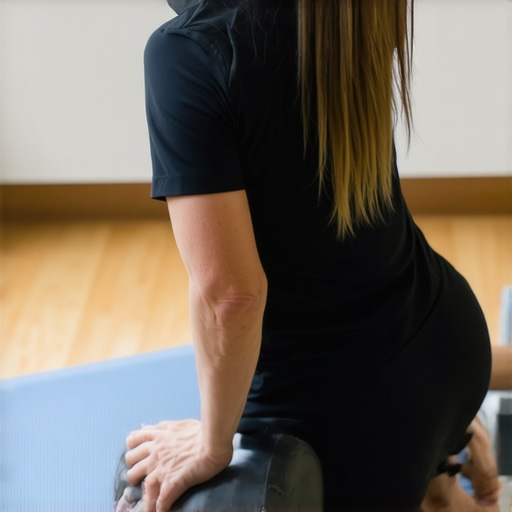
One game-changer in my routine has been the foam roller. I specifically use a medium-density roller to gently release tight tissues around my hips and lower back. Unlike cheaper, overly soft rollers that lack effectiveness or overly firm ones that can cause soreness, my chosen roller offers a perfect balance, helping to improve blood flow and reduce muscle tension. Regular self-myofascial release is vital for preventing long-term stiffness and pain, especially if you’ve experienced sciatic discomfort or chronic neck tension.
Leverage Smart Software for Movement Tracking
Apps like Mobility Mastery or simple movement diaries help me monitor progress and identify patterns. By recording when my mobility diminishes, I can adjust my exercises accordingly. Technology’s role isn’t limited to tracking; it can guide you through precise routines that target your specific issues, turning guesswork into actionable data. As research suggests, combining manual routines with software-assisted feedback accelerates recovery and long-term maintenance.
Key takeaway: using a combination of physical tools and digital tracking ensures sustained improvements and resilience. Predictively, this trend toward integrated tech solutions will only deepen, making personalized mobility programs more accessible and effective.
How Do I Maintain My Progress Over Time?
The key to long-term success lies in consistency and education. Incorporate daily routines—like the hip hinge drill—and adapt them as your body changes. Set reminders using apps, and schedule periodic assessments with a healthcare professional to ensure you’re on track. Remember, spinal health isn’t static; it requires ongoing attention and minor adjustments. Learn to listen to your body signals, and don’t hesitate to revisit foundational exercises or tools when needed.
By making these tools and routines a regular part of your lifestyle, you build resilience against future strains, sciatic flare-ups, and neck pain. Take the initiative today—try a targeted self-myofascial release session with your foam roller or set a movement tracking goal—and watch how your mobility improves over weeks. Staying proactive now cultivates a pain-free, flexible future. For advanced tips tailored to persistent issues, consider exploring our comprehensive guides on [overcoming sciatic nerve pain](https://bodyrenewtherapy.com/conquering-sciatica-proven-approaches-to-end-discomfort-now) and [neck relief techniques](https://bodyrenewtherapy.com/revitalize-your-neck-effective-techniques-for-lasting-pain-relief). Remember, a proactive approach with the right tools can transform your quality of life and keep your body working smoothly for years to come.
Throughout my journey with persistent back and neck issues, I uncovered lessons that reshaped my understanding beyond common advice. The first breakthrough was realizing that pain is often a symptom of a deeper imbalance, not just a localized injury. This awareness prompted me to look at my entire movement pattern, reinforcing that the interconnectedness of muscles and joints is crucial for lasting relief. Secondly, I learned that consistency outperforms sporadic treatments. Regularly dedicating a few minutes each day to targeted exercises and self-care routines yields far better results than occasional visits to specialists. Thirdly, I discovered that embracing a proactive mindset—educating myself and making small daily changes—empowered me to regain mobility faster and maintain it longer. These insights remind us that recovery isn’t just about fixing what’s broken but cultivating habits that support long-term health.