
The Truth About Back Braces: Do They Help or Make You Weaker?
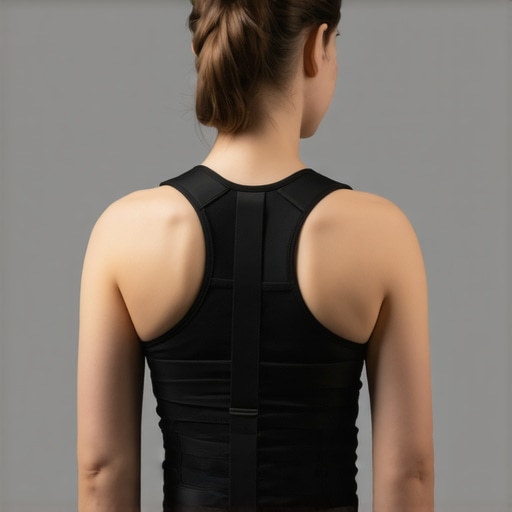
Have you ever felt that instant jolt of panic when you experienced a sharp pain in your lower back while lifting something heavy? I remember the exact moment. The sudden tightness, the fear of making it worse, and the urge to grab a brace just to get through the day. That was me—thinking I needed a back brace to support my spine, to prevent future injuries. But what I didn’t realize back then is that that simple fix might have been making things worse in the long run.
How a Popular Solution Became My Hidden Enemy
Many of us are desperate for quick relief from persistent back pain. We hear about braces everywhere—whether from friends, online forums, or ads promising instant comfort. So, I took the plunge and started wearing a back brace every day, hoping it would keep me safe. Initially, it felt like a game-changer. But over time, I noticed a troubling decline in my strength and mobility. My back felt weaker without the brace, and I became more dependent on it.
It turns out that indiscriminately relying on back braces can do more harm than good. According to a study published by the National Institutes of Health, prolonged use of lumbar support devices can lead to muscle atrophy, weakening the very structures they’re meant to protect. This was my epiphany: braces can trick your brain into thinking your core isn’t necessary, leading to reduced muscle engagement and, eventually, increased vulnerability instead of protection.
Is the Hype Worth the Risk?
This question haunted me for a while. I realize now that my early mistake was to see the brace as a quick fix rather than a part of a comprehensive approach. If you’re contemplating using a back brace, you’re probably wondering: “Is this really what I need?” or “Will this actually help me heal, or just mask the pain?”
My advice? Don’t rely solely on support devices. Instead, focus on understanding the root causes of your pain and strengthening your core. I’ve learned that active management, including targeted exercises and proper ergonomics, can prevent injuries from recurring and even reduce your dependence on external supports.
Would you like to explore effective strategies that empower you rather than make you weaker? Feel free to reach out through our contact page for personalized guidance.
Start with Gentle Movements
My first step was to integrate gentle movements into my daily routine, similar to how a gardener gently waters their plants to encourage growth. I began with basic pelvic tilts and cat-cow stretches, spending just five minutes each morning. During this process, I noticed that my back felt less stiff, and I gradually regained some confidence in moving without fear of pain.
Engage Your Core Actively
Next, I focused on activating my core muscles intentionally. Think of your core as the foundation of a house; the stronger it is, the more stable everything above. I performed modified planks and dead bugs, ensuring I engaged my abdominal muscles consciously rather than passively. This step helped me support my spine better, reducing undue stress on injured areas. Remember, progress might be slow and sometimes messy, but consistency is key. For detailed core exercises, check out these effective techniques.
Improve Your Posture Habitually
Poor posture acts like a slow leak in a tire, gradually undermining your back health. I replaced my habit of slouching while sitting with mindful adjustments: sitting upright with feet flat on the ground, aligning my ears over my shoulders, and avoiding prolonged static positions. An analogy here is maintaining the tension in a suspension bridge; constant minor adjustments prevent major breakdowns. To optimize your workspace, explore ergonomic tips. This adjustment process can be messy initially, like trying to ride a bike again after years, but perseverance pays off.
Build Strength with Targeted Exercises
Once basic movement and posture habits are established, I moved onto targeted strengthening. Exercises like the 90-90 hip drill acted as a reset, helping me release tension in my hips and lower back, similar to aligning the wheels on a bicycle for smooth rides. I also incorporated glute bridges, which I found surprisingly effective at stabilizing my pelvis. Doing these exercises regularly, even if they feel awkward at first, gradually transformed my back’s resilience. For more advanced routines, see this guide.
Manage Pain While Staying Active
Pain management is crucial. Instead of resting excessively, I adopted a movement-based approach, like a river flowing around rocks rather than crashing against them. Using heat and ice correctly helped reduce inflammation and muscle stiffness. Small bouts of walking, similar to pacing to calm nerves, kept my muscles engaged without overtaxing them. Silencing pain with medications was tempting, but I prioritized movement and proper techniques. You can find quick remedies at these home strategies.
Progress with Professional Support When Needed
While self-directed steps are effective, acknowledging when to seek professional help is vital. If your pain persists or worsens, consulting a expert is like calling in a coach for a sports team—necessary for optimal performance. For signs indicating more serious issues, explore these indicators. Additionally, therapies such as targeted physical therapy can accelerate recovery by addressing specific muscle imbalances or structural issues.
Many individuals automatically assume that all back, neck pain, and sciatica issues stem from a simple injury or muscle strain, leading them to seek quick fixes like painkillers or support devices. However, data from experts such as Dr. Stuart McGill highlight that these common assumptions often overlook deeper, systemic factors. A typical misconception is that pain always indicates tissue damage, but in reality, pain can be a protective response orchestrated by your nervous system, even when tissues are healthy. This misinterpretation may cause you to focus solely on symptom relief instead of addressing underlying imbalances.
One trap to avoid is over-relying on external supports, like braces or cushions, which might temporarily mask pain but can lead to muscle weakening in the long run. Research in the NIH database reveals that prolonged use of lumbar supports can cause muscle atrophy and dependency, thus exacerbating mobility issues. Instead, fostering active engagement through targeted strengthening and mobility exercises is often a safer, more sustainable approach.
Why do so many get caught in this trap? The answer lies partly in our culture’s obsession with quick fixes and partly in a lack of awareness about the complexity of chronic pain. For instance, sciatic pain isn’t always rooted solely in nerve compression; it can also stem from fascial restrictions or pelvic imbalances, which are less visible and often overlooked. Studies by physical therapists emphasize that understanding the nuanced interplay between muscles, fascia, and joints is essential for lasting relief.
Practitioners with advanced expertise recognize the importance of a holistic assessment before implementing intervention strategies. If you’d like to explore personalized solutions, consider reaching out through our contact page. Also, it’s critical to monitor for warning signs that might indicate serious issues—such as unfamiliar numbness or weakness—which require prompt professional evaluation. Check out these signs to watch for.
A common but overlooked nuance involves the role of fascia and myofascial restrictions. Recent studies suggest that addressing fascial adhesions through techniques like myofascial release can dramatically improve mobility and reduce pain, even when traditional muscle-strengthening alone hasn’t helped. Returning to the core of complex pain management, it’s vital to distinguish between symptom suppression and root cause resolution. For example, integrating mobility drills that target fascial health—such as foam rolling or specialized stretches—can unlock better long-term outcomes as explained here.
Moreover, advanced assessments often uncover asymmetries and compensations that lay hidden beneath the surface. These subtle imbalances can perpetuate discomfort despite apparent recovery. Professionals trained in functional movement emphasize the need for precise, personalized corrections rather than generic routines. Are these details influencing your recovery choices? Have you ever fallen into this trap? Let me know in the comments and share your experiences.Maintaining your back and neck health over the long term requires more than just exercises; it involves the right tools and methods that support consistent, effective care. One essential item I personally swear by is a high-quality foam roller. Unlike cheap foam rollers, a dense, 36-inch textured foam roller allows me to perform self-myofascial release safely and effectively, targeting fascial adhesions that can cause stiffness and discomfort. I always use it before my mobility routines to loosen tight fascia, which enhances flexibility and reduces pain, especially after long days at the desk. To keep my posture in check throughout the day, I rely on a posture correction app like Upright GO. This device attaches subtly to my upper back and provides real-time feedback whenever I slouch, helping me build better habits. Its detailed analytics help me identify patterns and improve my ergonomic setup. Looking ahead, the trend is shifting toward integrated biofeedback devices and wearable technology that monitor spinal alignment and muscle activation, making ongoing maintenance even more personalized and accessible. How do I maintain my mobility and prevent setbacks? I make it a point to schedule weekly mobility sessions emphasizing fascia health and posture checks, combining my foam roller with targeted stretches and ergonomic adjustments. For instance, I incorporate the 90-90 hip drill regularly to release tension in my hips, which directly influences my lower back pain levels. If you’re serious about long-term relief, I urge you to try combining a foam roller with an app like Upright GO; the immediate feedback accelerates the adoption of good habits. If you suspect you’re experiencing symptoms that require professional attention, don’t hesitate to get in touch through our contact page. Remember, the key to sustainable relief is consistent, mindful use of the right tools paired with expert guidance when necessary.
3 Surprising Truths I Discovered About Back Pain
One of the hardest lessons I learned was that quick fixes often mask the real issues, leading to dependency rather than healing. I realized that strengthening your core and understanding posture are ключи to long-term relief, not just temporary supports. Additionally, I found out that addressing fascia restrictions can unlock mobility you didn’t know was possible, transforming pain into freedom.
Tools That Became My Personal Back Allies
My essential toolkit includes a dense foam roller for fascia release, an ergonomic chair to maintain proper posture, and the Upright GO app that provides instant feedback to keep me mindful of my alignment. I trust these because they create lasting habits and empower me to manage my back health daily without over-relying on external devices.
Embracing the Journey, Not Just the Fix
My back pain story taught me patience and consistency. Change isn’t instant; it’s about small, deliberate actions that gradually rebuild strength and confidence. If you’re ready to take control of your back health and refuse to fall into the trap of quick fixes, remember that your effort combined with the right tools and knowledge will lead to genuine, lasting relief. How will you start your journey today? Share your plans below and let’s support each other in this healing process.