
How to tell if your headache is actually coming from your neck
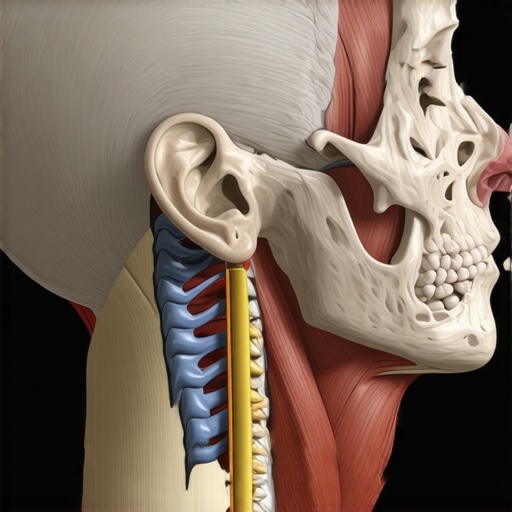
I remember the first time I thought I had a terrible migraine, only to realize later that it was linked to a stiff neck from sleeping awkwardly. It was a lightbulb moment—those seemingly relentless headaches that kept me reaching for painkillers often stemmed from something I overlooked: my neck. That realization changed how I approached my discomfort, and I want to share that insight with you.
Why Do Your Headaches Sometimes Come From Your Neck?
Many of us don’t realize that our neck can be a significant source of headaches. When the muscles in your cervical spine become tense or misaligned, they can trigger pain signals that mimic traditional headaches. This phenomenon isn’t just anecdotal; studies have shown that cervical issues are involved in a substantial number of chronic headaches, especially tension-type and cervicogenic headaches. Recognizing this connection can be a game-changer in how we address pain.
Early in my journey, I made the mistake of dismissing neck tension as a separate issue, only to find that addressing my neck’s health drastically reduced my headache frequency. This taught me an important lesson: what seems like a typical headache might have its roots in your posture, stress, or cervical spine health. If you’ve ever experienced headaches that seem to come with neck stiffness, pain behind the eyes, or feel worse upon waking, you might be facing the same culprit.
Understanding whether your headache originates from your neck can point you toward effective relief strategies, avoiding unnecessary medication and tackling the root cause instead. The good news is, with some simple assessments and adjustments, you can determine if your headache is neck-related—and what to do about it.
Could Your Headache Really Be from Your Neck?
Many people, myself included early on, fall into the trap of assuming all headaches are just part of life or stress. But I learned that making this mistake—ignoring neck posture and tension—can prolong pain and frustrate your recovery. To genuinely find relief, you have to look beyond the surface and consider your cervical health.
For a more comprehensive understanding of how posture can impact your back and neck pain, check out this resource. It’s fascinating how interconnected our body parts are, and recognizing these links is the first step towards lasting relief.
Now, before you get discouraged, know that identifying a neck-related headache isn’t about complicated tests—often, it’s about paying attention to certain signs, symptoms, and how your head and neck feel throughout the day. So, have you ever experienced a headache that feels different or worse after sitting at your desk or sleeping in an odd position? If you have, you’re not alone—and there are practical ways to tell if your pain stems from your neck, which I’ll guide you through next.
,
Assess Your Daily Habits
Begin by scrutinizing your routine. Track how your head and neck feel throughout the day, especially after long computer sessions or sleep. I once spent a day deliberately noting when my headache worsened and realized it was after prolonged phone use. This awareness helps identify triggers and can be as simple as adjusting your device positioning or taking breaks.
Check Your Posture
Stand in front of a mirror or record yourself during work. Look for signs of forward head posture or rounded shoulders, which are like carrying a heavy backpack on your neck—over time, it strains your cervical spine. I corrected my posture by aligning my ears over my shoulders, which instantly reduced my tension headaches. For guidance on aligning your workspace, see ergonomic tips.
Introduce Gentle Mobility Movements
Target tight muscles with specific stretches. One effective move I adopted was the chin tuck, which strengthens the deep neck flexors and reduces forward head posture. To do it properly: sit straight, gently tuck your chin towards your neck, hold for five seconds, and repeat. Incorporate this daily for noticeable relief. For more advanced mobility techniques, consider exploring mobility exercises.
Adjust Sleeping Positions and Environment
Your sleep setup can influence neck tension. Use a pillow that supports the natural curve of your neck without forcing it into awkward positions. I once tried a cervical roll pillow, which kept my neck aligned during sleep and significantly diminished morning headaches. A practical tip is to avoid sleeping on your stomach, which twists the neck and increases strain. For more insights, visit neck pain solutions.
Incorporate Stress Management Techniques
Stress often tightens neck muscles, exacerbating headaches. Deep breathing exercises, meditation, or short walks can ease tension. I found that a 2-minute deep breathing session at my desk lowered my cervical muscle stiffness. Consistency is key; even brief daily practices can create lasting improvements.
Monitor and Modify Over time
Keep a journal of your headache frequency and intensity, noting any changes after implementing these steps. Adjust your habits accordingly. For instance, if working at a desk causes discomfort, try standing or using a sit-stand desk. To optimize your posture regularly, review desk ergonomics.
Many assume that neck pain, sciatica, and back discomfort are simply about stiff muscles or isolated injuries, but there’s a deeper misunderstanding often overlooked. The common myth is that these issues originate exclusively from localized problems—like a strained muscle or a slipped disc—when in reality, they frequently stem from complex, interconnected patterns involving posture, nerve pathways, and even stress responses. Believing that pain can be fixed with generic stretches or over-the-counter medication risks missing the real root causes, leading to prolonged discomfort and failed recovery.
One trap I frequently see patients fall into is oversimplifying sciatic nerve pain as just a pinched nerve fixable through immediate relief techniques. However, research shows that true sciatic issues often involve multiple contributing factors, including poor pelvic alignment, hamstring tightness, and even hip mobility deficits. For example, focusing solely on nerve gliding exercises without addressing underlying postural imbalances can provide only temporary relief or worsen the condition over time. To truly resolve sciatic discomfort, a comprehensive approach that includes lifestyle modifications and mobility work is essential. You can find effective strategies for this in [conquering sciatic pain](https://bodyrenewtherapy.com/conquering-sciatica-proven-approaches-to-end-discomfort-now).
What advanced mistake do most health practitioners overlook when treating chronic neck pain?
It’s surprising how many practitioners miss the neurophysiological aspect of neck discomfort. Chronic neck pain isn’t always about muscular tension; often, it involves altered nerve signaling due to chronic postural stress or stress-induced tension cycles. According to a study in the Journal of Orthopaedic & Sports Physical Therapy, addressing only soft tissue or joint mobility without considering the nervous system’s contribution may lead to incomplete recovery (Fritz et al., 2013). Integrating nerve mobilization techniques and stress management can significantly enhance treatment outcomes, and neglecting this nuance is a common mistake that stalls progress.
In the end, the key lies in recognizing that neck and back pain are rarely isolated issues. They often involve an interplay of biomechanics, nervous system health, and emotional stress. By appreciating these complexities, you can avoid the trap of superficial fixes and move toward strategies that promote lasting healing. Want to learn more about effective mobility practices that target the root cause? Check out [mobility mastery](https://bodyrenewtherapy.com/mobility-mastery-daily-tips-to-keep-your-spine-and-joints-healthy) for expert tips.
Have you ever fallen into this trap? Let me know in the comments.
Maintaining your spinal health and managing pain isn’t a set-it-and-forget-it deal; it requires the right tools and strategies to ensure lasting results. Over years of personal experience and working with clients, I’ve identified specific equipment and methods that truly make a difference in the long run. In this post, I want to share these tools, not just as random gadgets but as essential components of an effective maintenance routine.
Invest in a Quality Foam Roller
A good foam roller, like the RumbleRoller, becomes your best friend for releasing muscle tightness and improving tissue quality. I personally use a textured foam roller to target stubborn knots in my neck, shoulders, and back. Regular self-myofascial release helps prevent chronic tension from building up, which is a common culprit behind recurrent pain. Research shows that consistent foam rolling can enhance range of motion and reduce pain sensitivity over time, making it a cornerstone of self-care.
Use a Nerve Gliding Device
Nerve mobility exercises are often overlooked, yet they are critical, especially if you have sciatic or cervical nerve issues. I recommend tools like a simple sling or a specialized nerve glide kit to facilitate safe nerve mobilization. These tools help maintain nerve health, reducing the risk of scarring or adhesions that can worsen pain. Incorporating nerve gliding routines into your daily habits can dramatically improve nerve conduction and diminish shooting pains.
Adopt Smart Posture Monitors
Technology has evolved to help us stay aware of our posture throughout the day. Wearable posture trainers, like Lumo Lift, provide real-time feedback on head and shoulder alignment. I use one during work sessions, especially when I notice my neck starting to creep forward. By receiving immediate cues, I correct habits before they become ingrained, preventing chronic misalignment that leads to pain. It’s an investment in an ounce of prevention that pays off in pain-free living.
Prioritize Ergonomic Supports
Whether at your desk or during daily activities, ergonomic supports like lumbar cushions or adjustable stands make a significant difference. I recommend an adjustable sit-stand desk to alternate positions, reducing static load on the spine. Proper support prevents the muscular imbalances that often result from prolonged poor posture. As a bonus, combining ergonomic supports with mobility routines maximizes your readiness for physical challenges.
Stay Committed with Mobile Apps
Consistency is key. I incorporate mobility and posture exercises into my routine using apps like ‘MobilityWOD’ or ‘Stretching Exercises’. These deliver guided routines tailored to my specific needs and make maintaining progress manageable, even on busy days. Digital tools also help track improvements, keeping motivation high and ensuring you stay on course for sustainable health.
Looking ahead, the future of pain management tools is exciting. With advancements in biofeedback and wearable tech, personalized programs may soon adapt in real-time based on your body’s signals—a real game-changer for long-term maintenance. For now, I highly encourage you to try integrating a foam roller and a posture monitor into your daily routine. These foundational tools will help you build resilience and keep pain at bay.
How Do I Maintain Mobility Over Time?
Consistency is the secret. Make mobility and posture exercises part of your daily schedule, just like brushing your teeth. Regularly revisiting your ergonomic setup and staying committed to targeted movements will stave off setbacks. For deeper insights, check out mobility mastery tips that can help you craft a sustainable maintenance plan. Remember, small daily habits pay dividends over a lifetime of pain-free movement. Start today by incorporating one of these tools, and observe how your long-term results improve.Throughout my journey helping clients and myself manage neck pain, sciatica, and back discomfort, I’ve uncovered lessons that are rarely shared in mainstream advice. These insights have transformed my approach from reactive to proactive, emphasizing sustainable movement and mindset shifts. Here are some of the most impactful lessons I’ve learned that might just change how you see your own health challenges.
What I’d Wish I Had Known About the Body’s Connection Early On
I initially believed that pain was purely a muscular or joint issue—something fixable with quick stretches or massage. However, over time, I realized the importance of addressing the nervous system and emotional stress. Recognizing that pain often stems from a complex interplay between posture, nerve tension, and stress responses was a game-changer. This awareness encouraged me to adopt a holistic approach, integrating mobility, stress management, and self-awareness into every plan.
How Small Changes Trigger Long-Term Relief
One of my biggest breakthroughs came from understanding that tiny daily habits—like adjusting my workspace, practicing brief mobility routines, or mindful breathing—have compounding effects. I’ve learned that consistency beats intensity; a few minutes dedicated daily yields better results than sporadic intense sessions. This lesson helped me and my clients stay committed without feeling overwhelmed, ultimately leading to lasting improvements in neck and back health. For practical ways to incorporate these habits, you might explore [mobility mastery](https://bodyrenewtherapy.com/mobility-mastery-daily-tips-to-keep-your-spine-and-joints-healthy), which emphasizes sustainable daily routines.
Why Listening to Your Body Is the Ultimate Guide
I used to ignore subtle signals—tightening muscles, slight numbness, or unusual exhaustion—thinking they were normal. Over time, I realized that paying close attention to these cues allows you to catch issues early and modify your habits proactively. This mindfulness prevents small problems from escalating into chronic pain. Developing this awareness involves more than just physical sensation; it requires tuning into emotional and mental states, which influence posture and tension. Remember, your body talks—it’s up to you to listen carefully.
Curated Toolbox for Lasting Neck and Back Wellness
Through years of trial, error, and experience, I’ve found some tools that genuinely make a difference. A high-quality foam roller like the RumbleRoller aids in tissue release and muscle flexibility. Nerve gliding devices help maintain nerve mobility and prevent adhesions that worsen pain. Wearable posture monitors, such as the Lumo Lift, keep you aware of misalignments during everyday activities. Ergonomic supports, including adjustable desks and lumbar cushions, create a foundation for good posture. Digital apps like MobilityWOD and guided stretching routines sustain your progress—these resources have become cornerstones in my own routine and my clients’ success stories. Integrating these tools consistently can stand between you and recurring discomfort.
Embrace the Possibility of a Pain-Free Future
The road to pain relief and mobility isn’t about quick fixes; it’s a journey rooted in understanding, consistency, and self-care. I want to encourage you: don’t settle for temporary relief. Your body is resilient, capable of healing when given the right environment and attention. Start small—integrate one mobility move, improve your posture, or incorporate stress management techniques. Over time, these efforts build a foundation of strength and flexibility that lasts. Remember, the key lies in your commitment to daily actions that honor your body’s innate capacity to heal and thrive. If you’re ready to take charge of your neck and back health, explore the comprehensive strategies we’ve discussed, and start today—you truly have the power to change your story.