
Why you should stop doing sit-ups for back health
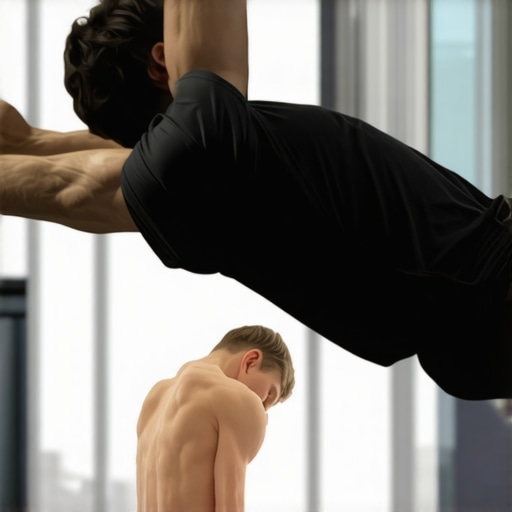
I vividly remember the moment it hit me—I was mid-sit-up, feeling that uncomfortable tug in my lower back, and it suddenly dawned on me: this exercise might be doing more harm than good. For years, I believed that traditional sit-ups were the golden standard for strengthening core muscles. But increasingly, I was battling persistent back pain, sciatica flare-ups, and a sense of mobility decline that no amount of crunches seemed to improve. It was frustrating, disheartening, and honestly, a bit scary.
Why I Had to Rethink Sit-Ups and What It Could Mean for You
Like many, I was told that sit-ups would give me a rock-solid core and better posture. Yet, the reality was starkly different. Over time, I noticed my back pain worsening, especially after attempting my usual workouts. It was a lightbulb moment—could it be that the exercise I trusted was actually contributing to my problems? As I dug deeper, I discovered that traditional sit-ups often push the lumbar spine into excessive flexion, which can strain spinal discs and ligaments. According to spine specialists, repetitive flexion under load is a common culprit behind chronic back issues (source: https://bodyrenewtherapy.com/back-pain-breakthroughs-navigating-your-path-to-restored-mobility).
This realization prompted me to question everything I believed about core training. And I started exploring alternatives that prioritize spinal health, improve stability without risking injury, and truly support back wellness. If you’ve been stuck in that cycle of pain and frustration, this post is for you. Together, we’ll unravel why sit-ups might be doing more harm than good and explore smarter, safer ways to build a resilient core.
Now, before we dive into the specifics, I want to ask—have you ever experienced that moment of discomfort during or after sit-ups? Or maybe you’ve felt persistent back aches without understanding why? If so, you’re not alone. And trust me, there’s hope. The next section will reveal the common mistakes people make when trying to strengthen their backs and what you can do differently.
Replace Traditional Sit-Ups with Safer Alternatives
Begin by substituting sit-ups with better options. Lie on your back, knees bent, feet flat on the floor. Engage your core by drawing your belly button towards your spine without lifting your shoulders off the ground. Focus on controlled breathing. This approach distributes load evenly and avoids excessive lumbar flexion, reducing injury risk.
Master the Plank for Stability
Get into a forearm plank position, maintaining a straight line from your shoulders to your heels. Keep your hips level and avoid sagging or piking your hips. Start with 20-second holds and gradually increase. Planks activate deep core muscles, especially transverse abdominis, which are vital for spinal support. During my first attempt, I wobbled terribly at first, but consistency made it more manageable and strengthened my back without strain.
Incorporate Bird-Dogs for Balance
Begin on hands and knees, wrists aligned under shoulders, knees under hips. Extend your right arm forward and left leg back, keeping hips level. Hold briefly, then switch sides. Focus on slow, deliberate movements. This exercise improves spinal stability and coordination, akin to balancing a tray of drinks – steady control prevents spills and injuries.
Focus on Hip Mobility to Reduce Back Strain
Perform hip openers such as The Hip Flexor Stretch or Pigeon Pose. Tight hips can cause compensatory movements leading to back pain. Hold each stretch for 30 seconds, breathing deeply. Improved hip flexibility allows your pelvis to move freely, lessening lumbar load. I included daily hip stretches and noticed a significant decrease in my lower back discomfort over weeks.
Strengthen Glutes to Support Your Spine
Lie on your stomach and perform glute bridges: feet flat, knees bent, lift hips off the ground by squeezing your glutes. Keep your shoulders relaxed. Do 3 sets of 12 reps. Strong glutes stabilize pelvis and prevent over-reliance on lower back muscles. Weak glutes often lead to hyperextension or overcompensation, contributing to pain.
Practice Controlled Breathing During Exercises
Meanwhile, during all movements, inhale deeply through your nose, expanding your diaphragm, and exhale through your mouth, engaging your core. Controlled breathing ensures adequate oxygen supply and minimizes unnecessary tension. During my workout, focusing on breath control helped me stay relaxed and avoided tensing my neck and shoulders.
Build Routine with Consistent Movement
Design a daily routine that intersperses these exercises. Even 10 minutes per day can build resilience. Use timers or apps to keep track. Consistency trains your nervous system to activate proper muscles, much like tuning an instrument for harmonious performance. Remember, abrupt or rushed movements can backfire — always prioritize form over speed.
Monitor Your Body’s Signals and Adjust
If you experience sharp pains or persistent discomfort, consider consulting a specialist or reviewing your technique. Sometimes, small adjustments—like changing incline angles or reducing hold times—make a big difference. For example, I initially overextended my back during planks, which caused soreness; adjusting my form resolved this. Staying attentive to your body’s responses helps prevent setbacks.
Educate Yourself on Back and Neck Health
Visit https://bodyrenewtherapy.com/is-your-back-pain-a-sign-of-something-more-serious-key-symptoms-to-watch to learn about warning signs that warrant medical attention. Understanding your condition empowers you to make safer choices and avoid aggravating existing issues. Incorporate this knowledge into your daily habits for long-term back health.
Many believe that pinpointing a specific injury or disc herniation is the key to solving persistent back and neck pain. However, this oversimplification can lead you astray. In reality, most chronic pain conditions stem from a complex interplay of muscular imbalances, posture habits, and nervous system sensitivities, not just a single structural fault. For instance, a misdiagnosed facet joint irritation might actually be a symptom of deep core weakness or poor sleep posture, which many overlook. As Dr. Stuart McGill emphasizes in his research, it’s crucial to look beyond obvious causes and address the underlying tissue dysfunctions rather than just symptomatic relief.
A common myth is that pain always correlates directly with damage visible on MRI scans. But studies show that many asymptomatic individuals have disc bulges or degenerative changes, highlighting how structural anomalies don’t always equate to pain (source: https://bodyrenewtherapy.com/understanding-the-link-between-poor-posture-and-chronic-back-pain). Relying solely on imaging without considering functional movement patterns and nervous system health can trap you into ineffective treatments.
Another hidden nuance is the role of subconscious muscle guarding and stress response. Chronic pain can be amplified by tension held in the neck, shoulders, or hips—subtle signs of nervous system dysregulation. Techniques like breath work and mindfulness often get overlooked but are powerful tools in restoring balance.
Are you falling into the trap of focusing only on structural issues or immediate relief? Let’s explore a smarter, more nuanced approach.
Focusing on functional mobility, strengthening key stabilizers (like the transverse abdominis and pelvic floor), and addressing stressors can transform your recovery process. For deeper insights, check out [this guide on managing back pain in 2025](https://bodyrenewtherapy.com/unlocking-mobility-expert-tips-on-managing-back-pain-in-2025). Remember, the truth often lies beneath the surface, and understanding this can make all the difference.
Have you ever fallen into this trap? Let me know in the comments.
Keeping It Working: Tools I Recommend for Lasting Back and Neck Health
When it comes to maintaining your spinal health and mobility over time, having the right tools and techniques makes all the difference. Personally, I rely heavily on a combination of specific equipment and mindful practices that I’ve found effective through years of experience and ongoing research. One of my favorite aids is a high-density foam roller. Unlike cheap rollers, a quality foam roller provides targeted tissue release without causing additional strain, especially when used with proper technique. It helps reduce muscle tightness in the hips, back, and neck, which are often culprits behind persistent pain symptoms.
Another indispensable tool I incorporate is a set of resistance bands. These are versatile for gentle strengthening, especially for reinforcing core stabilizers like transverse abdominis and glutes, which are essential for spinal support. I prefer bands with moderate resistance because they allow controlled, low-impact movements that prevent exacerbating existing issues. For example, bands are fantastic for lateral band walks or stability exercises that improve joint mobility and muscular balance.
Beyond physical tools, I swear by digital posture and movement tracking applications. Programs like the Mobility Mastery app help me monitor daily habits and identify areas of tension or imbalance. They also guide me through customized routines tailored to my specific needs, which has been invaluable in preventing flare-ups and enhancing long-term resilience.
Looking ahead, I believe technology will edge further into personalized spinal health. Wearable sensors, for example, are starting to provide real-time feedback on posture and movement patterns, enabling proactive corrections before pain emerges. In my opinion, integrating these innovations will lead to more effective, long-term management strategies rather than reactive fixes.
How do I maintain my mobility and reduce pain over time?
Consistency is key. Incorporating daily routines that combine targeted exercise, stretching, and mindful posture habits keeps my spine in check. I schedule short mobility sessions using tools like foam rollers or resistance bands, focusing on areas that tend to tighten, such as the hip flexors and thoracic spine. Additionally, I regularly review my posture during work and leisure, leveraging digital feedback tools to stay aligned. For more structured guidance, I turn to resources like neck pain and stress management tips, which emphasize proactive, multifaceted approaches.
If you’re serious about long-term relief, I recommend trying a specialized exercise like resistance band side steps, which strengthen the hips and core, both crucial for preventing back issues. Remember, integrating these tools into your routine can be a game-changer, especially when combined with consistent movement and an awareness of your body’s signals.
Finally, I urge you to stay informed about emerging techniques and wearables that can help you maintain your health proactively. As back pain breakthroughs suggest, adopting a proactive, tech-enabled approach can help you avoid setbacks and enjoy lasting mobility.
What I Wish Someone Told Me About Protecting My Back
One of the most profound lessons I learned was that not everything marketed as “core strengthening” is beneficial. My stubborn belief in traditional sit-ups delayed my recovery and actually worsened my pain. I realized that prioritizing spinal health and understanding the biomechanics behind each move is crucial — a realization that transformed my approach and can do the same for you.
Another insight was the power of mindful movement and listening to my body’s signals. Pushing through pain only led to setbacks, but gentle, targeted exercises like planks and bird-dogs provided sustainable progress. Emphasizing quality over quantity became my mantra, and that shift created lasting change in my mobility and comfort.
Finally, I discovered that addressing surrounding factors like hip mobility, breath control, and glute strength is integral to back health. These elements often go overlooked but are key to a resilient spine. Embracing this holistic perspective turned my recovery into a journey of empowerment rather than frustration.
Tools That Changed My Approach to Back Wellness
A foam roller became my best friend — not just for muscle release but for understanding tissue restrictions that often contribute to pain. I trust high-quality rollers that offer precise pressure, helping me maintain flexibility and prevent tightness. For strengthening, resistance bands have been invaluable; they allow controlled, adaptive exercises that build core stability without risking injury.
Digital resources also played a pivotal role. I rely on apps that offer personalized mobility routines and posture tracking, making it easier to stay consistent and aware. Incorporating wearable sensors is an exciting frontier, providing real-time feedback to correct habits before pain develops. For deep dives into strategies, I recommend exploring [this guide on managing back pain](https://bodyrenewtherapy.com/back-pain-breakthroughs-navigating-your-path-to-restored-mobility), which synthesizes expert advice into practical steps.
By integrating these tools into my routine, I achieved a sense of control and confidence in my back health that I had never experienced before. Whether it’s a simple stretch or a tech-based habit tracker, the right resources make a significant difference.
Your Next Step Towards Lasting Freedom
Remember, the journey to a pain-free back isn’t about quick fixes but consistent, mindful actions. Your spine deserves the same care you give your friends and loved ones—respect, patience, and attention. Every positive change you make is a step toward more vibrant, unrestricted living. If you’re ready to embrace this approach, start today, and trust that better mobility and comfort are within your reach.
What’s one small step you’re willing to try tomorrow to protect your back? Share below — I’d love to hear your plan!