
How to Tell if Your Leg Pain is Sciatica or a Deep Muscle Knot
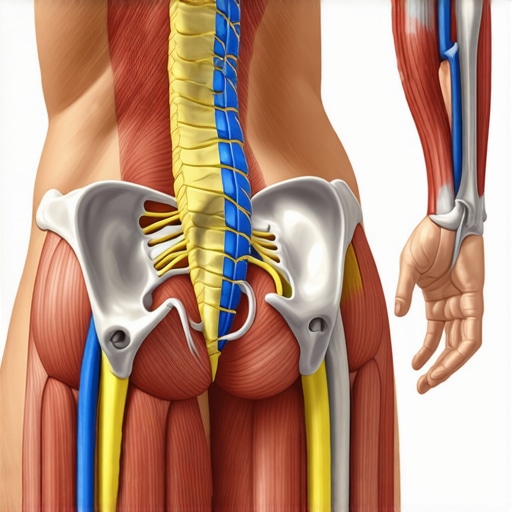
I remember the day I first experienced that shooting pain down my leg. It hit unexpectedly while I was just reaching for a jar on the top shelf, and suddenly, I was hobbling around, wondering if I had just pulled a muscle or something more serious. At that moment, I realized just how confusing and frustrating it can be to figure out what’s really going on with that pesky leg pain.
If you’re like me, you might have spent hours googling symptoms, feeling more confused with each click. The truth is, many people struggle to distinguish between sciatica and deep muscle knots — and misunderstanding the difference can delay proper treatment and extend discomfort.
Today, I promise to share what I’ve learned over years of helping clients and navigating similar pains myself. We’ll dive into easy ways to identify whether your leg pain is caused by nerve irritation, like sciatica, or a stubborn muscle knot. Knowing this distinction is crucial because the remedies and recovery strategies are quite different. And trust me, feeling empowered with this knowledge can transform how you approach recovery and regain your mobility.
Why Understanding Your Leg Pain Matters More Than You Think
Let’s face it: nobody wants to spend weeks feeling unsure whether that burning sensation is a nerve issue or just some tight, knotted muscle. Proper identification is the first step toward relief. Misdiagnosing can lead to worsening symptoms or even injury. For example, a deep muscle knot, or myofascial trigger point, often responds well to targeted massage or stretching, while sciatica might require more specialized treatment like physical therapy or medical interventions.
Early on, I made a common mistake — I tried treating a nerve problem with just deep tissue massage, assuming it was a muscle knot. That only made things worse. This experience taught me the importance of understanding the root cause before jumping into treatment. You can find helpful insights in resources like [this article on sciatic relief strategies](https://bodyrenewtherapy.com/conquering-sciatica-proven-approaches-to-end-discomfort-now), which emphasizes the importance of accurate diagnosis.
Are you unsure about what kind of pain you’re experiencing? Do you feel that burning, numbness, or tingling that seems to follow a nerve? Or is it a persistent, sore tightness that feels like a knot deep within your muscle? If so, keep reading — the upcoming sections will help you get to the bottom of it.
Understanding whether your leg pain stems from sciatic nerve irritation or a muscle knot isn’t just about fixing discomfort; it’s about preventing future issues and staying mobile. The sooner you can distinguish between the two, the sooner you can apply the right strategies and get back to feeling like yourself. So, have you faced this kind of pain before? Let me know — understanding your experience helps me guide you better.
Pinpoint the Source of Your Leg Pain
Start by observing the quality and pattern of your pain. A burning, tingling sensation radiating down your leg often indicates nerve irritation like sciatica, while a persistent, localized soreness points to a muscle knot. To clarify, I once spent a morning trying to massage away what I thought was a muscle knot, only to worsen my sciatica symptoms. Recognizing the difference allowed me to switch to targeted nerve relief techniques, which provided immediate relief.
Test Your Symptoms with Simple Checks
Perform the straight leg raise test: lie on your back and slowly lift your leg while keeping your knee straight. If this reproduces your pain, it’s a sign of nerve involvement. However, if raising your leg doesn’t trigger pain but pressing on certain muscles causes tenderness, you’re likely dealing with a muscle knot. During my own ordeal, I found that gently pressing on the piriformis muscle alleviated pressure, indicating a trigger point.
Apply Specific Treatments Based on Your Findings
Relieve Sciatica with Targeted Strategies
If nerve irritation is the culprit, focus on nerve gliding exercises and anti-inflammatory approaches. A quick home remedy I used involved gentle hip stretches combined with cold packs, which reduced inflammation. For more detailed techniques, explore [swift relief for sciatica](https://bodyrenewtherapy.com/swift-relief-for-sciatica-quick-home-remedies-that-work). Consistent practice of these exercises can prevent flare-ups.
Loosen Muscle Knots Effectively
If you suspect a muscle knot, prioritize deep tissue massage, self-myofascial release with a tennis ball, and targeted stretching. I found that lying over a tennis ball on my glute helped dissolve the trigger point that caused my thigh pain. Incorporate foam rolling and gentle stretching to maintain muscle elasticity and prevent future knots. Check out [recovering from neck tension](https://bodyrenewtherapy.com/revitalize-your-neck-effective-techniques-for-lasting-pain-relief) for techniques that also apply to back and leg muscles.
Prevent Future Discomfort with Movement and Posture Improvements
Optimal movement patterns and posture can minimize stress on nerves and muscles. Engage in regular mobility exercises like the ones detailed at [boost your back mobility](https://bodyrenewtherapy.com/boost-your-back-mobility-simple-exercises-that-make-a-difference). Be conscious of bending from your hips rather than your waist, and avoid prolonged sitting. Small daily adjustments, such as ergonomic workspace setups, can make a big difference in maintaining spinal health.
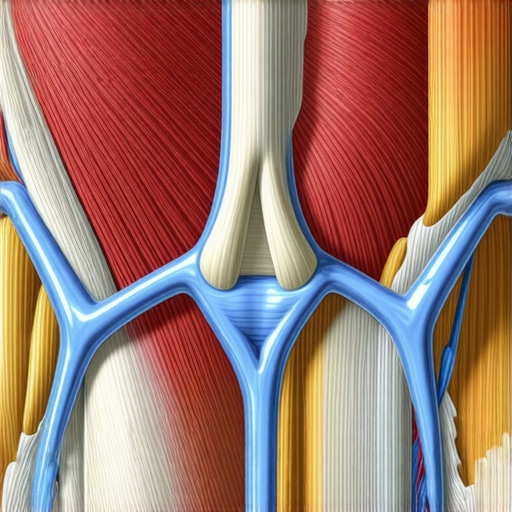
Visual guide showing the difference between nerve pain pattern and muscle soreness in the leg, highlighting common trigger points and nerve pathways.
When it comes to back and neck pain, many believe the solutions are straightforward: stretch more, strengthen your core, or find a good chair. But let’s dive deeper to uncover the nuances that even seasoned movement specialists sometimes miss. A common myth is that pain always indicates damage—yet, often, it’s a sign of your body’s protective mechanism. Overemphasizing pain relief without understanding its cause can lead you to pursue ineffective treatments or worse, aggravate the issue. For example, some individuals focus solely on strengthening exercises, assuming that increased muscle support will eliminate pain. While strengthening has its role, neglecting mobility restrictions or nerve involvement can trap you in a cycle of temporary relief. Recognizing this, experts advocate for a comprehensive assessment that considers nerve pathways, fascial restrictions, and postural patterns rather than just symptoms.Maintaining your spinal health over the long term requires not only awareness but also reliable tools that support ongoing recovery and prevention. From my personal experience and professional practice, I highly recommend integrating specific equipment and tech into your routine to keep your body functioning optimally. First, a quality foam roller is indispensable. I personally use a high-density foam roller because its firmness allows for effective myofascial release, helping to loosen tight muscles and prevent trigger points that contribute to back and neck pain. Regularly rolling your thoracic and lumbar regions can improve mobility and reduce stiffness, especially if you sit for extended periods. For precision targeting, a set of lacrosse or tennis balls can complement foam rolling by addressing stubborn knots in smaller muscles or around joints. I keep a tennis ball in my office for quick self-massage sessions during breaks, which alleviates tension before it becomes chronic. Additionally, therapeutic massage tools, like handheld percussive massagers, offer deeper tissue relief. I recommend models with adjustable intensity, allowing for safe and effective self-treatment at home. These tools are particularly useful if you have limited time but need targeted relief. Incorporating mobility software like [bodyrenewtherapy.com](https://bodyrenewtherapy.com/mobility-mastery-daily-tips-to-keep-your-spine-and-joints-healthy) can further support your efforts. Guided routines focusing on joint lubrication and movement variability help reinforce healthy patterns. Looking ahead, technological advancements like smart sensors and wearable devices are becoming more sophisticated in monitoring posture and movement patterns, providing real-time feedback to prevent injury. I predict that in the next few years, integrating AI-driven analytics into daily routines will become standard for sustained mobility and pain management. If you’re serious about maintaining your back and neck health, I suggest starting with a quality foam roller and tennis balls for self-massage. These simple yet effective tools have personally helped me stay pain-free, even during demanding periods. Remember, consistency is key. How do you ensure your body stays resilient over time? Experiment with these tools, and you might discover new ways to enhance your mobility and prevent future discomfort. For advanced techniques, I recommend trying a sustained foam rolling session combined with targeted stretching to unlock long-term benefits. Don’t wait for pain to become chronic—take proactive steps today to keep yourself moving freely.
The Hardest Lesson I Learned About Back Pain and Muscle Confusion
One of the most eye-opening realizations I had was how easily we fall into the trap of misdiagnosing pain—treating symptoms instead of causes. I used to believe that all leg and back discomfort could be alleviated with more stretching, only to discover that sometimes the pain was nerve-related, requiring a completely different approach. This taught me to listen deeply to my body and adopt an investigative mindset rather than jumping to solutions.
What Ignoring Small Signs Cost Me
For years, I ignored persistent tightness and subtle numbness, dismissing them as minor issues. But overlooking these signals led to more severe nerve irritation, which could have been prevented with earlier intervention. Now, I realize that paying close attention to these early warnings—like tingling or unusual soreness—is the key to avoiding prolonged discomfort. Trusting your body’s messages is vital for maintaining mobility and health.
Why Patience Trumps Quick Fixes in Recovery
My quick-fix mentality was a mistake. True healing, whether from sciatica or muscle knots, requires patience and consistency. Resting, gentle movement, and tailored therapy are more effective than one-time treatments or aggressive stretches. Embracing this approach has transformed my recovery process and deepened my understanding that sustainable health is built one mindful step at a time.
Your Next Steps to Lasting Relief
Armed with these personal lessons, I encourage you to adopt a curious, gentle approach toward your pain. Pay attention to your body’s subtle signals, differentiate between nerve and muscular issues, and pursue consistent, informed techniques. Remember, long-term mobility isn’t achieved overnight. Integrate tools like foam rollers and targeted stretches into your routine regularly, and don’t hesitate to seek personalized advice—sometimes, a professional assessment can reveal hidden issues that DIY methods miss. For comprehensive strategies, explore our proven approaches to conquering sciatica—your journey toward comfort begins with awareness and patience.