
Why Your Shoulder Blade Pain is Often Coming From Your Lower Neck
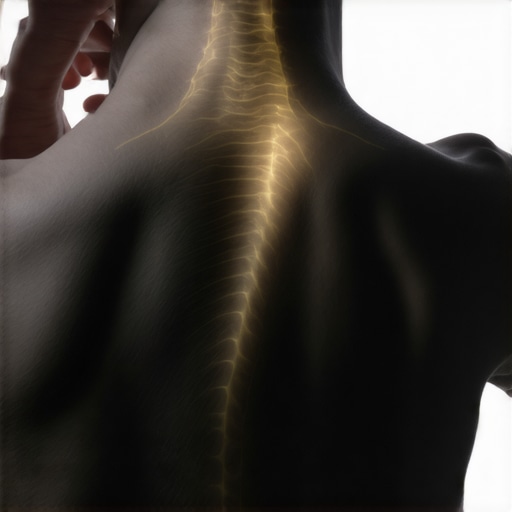
Ever had that sharp, stabbing pain between your shoulder blades that just wouldn’t go away? You stretch, rub it, hope it fades, but it lingers — sometimes worse after a long day at your desk or a restless night. I remember the moment I finally realized my persistent upper-back discomfort was actually tied to something much lower in my neck. It was a lightbulb moment that changed everything for me — and it can do the same for you.
The Hidden Culprit Behind Your Shoulder Blade Discomfort
For years, I thought my pain was merely muscle strain or poor posture. Turns out, the root cause was dull, overlooked tension in my lower neck, which radiated upward and into my shoulder blades. This isn’t uncommon. Many people don’t realize that issues in the lower neck can directly refer pain to the upper back and shoulders — a phenomenon supported by research indicating the interconnected nature of cervical and thoracic spine regions (source).
This realization was a game-changer because it shifted my focus from merely stretching my shoulders to addressing neck mobility and alignment. If you’ve ever experienced a persistent ache that refuses to resolve despite conventional stretches, you might be dealing with this hidden link.
What We’re Going to Cover Today
In this post, I’ll share practical insights and proven strategies to identify and relieve shoulder blade pain related to lower neck issues. I’ll show you common mistakes I made early on, how understanding this connection can save you time and discomfort, and simple steps you can take right now to start feeling better. Ready to uncover the real cause of your pain and regain your mobility? Let’s dive in.
Start with Gentle Neck Mobilizations
Before diving into deep stretches, begin with simple neck movements. Sit upright, slowly turn your head to one side, hold for a few seconds, then switch sides. Repeat this 10 times each side. I remember the first time I did this, I felt a noticeable reduction in tension after just a few reps, setting the tone for a more comprehensive neck care routine.
Implement Nerve Gliding Exercises
Imagine your nerves like electrical wires; sometimes they need to be gently stretched to move freely. Try performing nerve glide movements by slowly tilting your head while keeping your jaw tucked, then gently moving your head from side to side. Do this in small, controlled motions, about 10 repetitions daily. This technique can help reduce nerve impingement that causes shoulder blade discomfort, as detailed in sciatica relief methods.
Mobility Drills to Improve Cervical and Thoracic Flexibility
Think of your spine as a flexible bamboo stalk; the more it can bend and twist, the less strain accumulates. Incorporate thoracic rotation exercises by sitting on a chair, clasping your shoulders, and gently twisting your upper body side to side. Perform 15 reps each way. I’ve personally found that this simple move reduces strain from prolonged sitting, a common culprit behind neck and shoulder pain.
Strengthen with Posture Reinforcing Exercises
Strengthening your back muscles acts like a supportive scaffold, preventing your spine from sagging into painful postures. Exercises such as the bird dog or wall angels are excellent. For example, lie on your stomach and lift opposite arm and leg simultaneously, hold for a few seconds, then switch. Practice 10 reps per side daily. This builds resilience in muscles that keep your neck aligned and shoulders relaxed.
Adjust Your Environment for Comfort
Optimizing your workspace is essential. Set your computer monitor so the top line is at eye level, reducing the strain on your neck. Use ergonomic chairs with lumbar support, and ensure your keyboard and mouse are within easy reach. Small adjustments here can prevent habits that cause tension buildup over time. Sometimes, changing how you sit can make a big difference, as shown in ergonomic tips.

Incorporate these steps into your daily routine gradually. Consistency is key; even five minutes daily can yield significant improvements in your neck and shoulder health. Remember, listening to your body and avoiding overstretching prevents setbacks. Over time, these targeted actions will help you regain mobility and reduce pain, aligning with proven strategies for lasting relief.
Many assume that relieving pain is simply a matter of stretching, strengthening, or taking over-the-counter medication. However, this overlooks a crucial nuance: the interconnected complexity of our musculoskeletal system often leads us into common traps. For example, many believe that targeting only the site of pain—like the lower back or neck—is sufficient, but in reality, dysfunction elsewhere can be the real culprit. Chronic pain often stems from subtle misalignments or mobility restrictions that go unnoticed, such as those in the thoracic spine or hips, which can perpetuate issues in the lumbar region or cervical spine. Recognizing these nuances requires a deeper understanding of biomechanical chains and compensation patterns, which are supported by research in clinical biomechanics (source). Another false myth is that pain always signifies injury; in truth, pain can be a protective mechanism, signaling the need for movement adjustments rather than immobilization. This misconception often leads to unnecessary inactivity, reinforcing stiffness and instability over time. Furthermore, many people overlook the importance of subtle mobility restrictions—like limited thoracic rotation—that can significantly impact neck and lower back health. Advanced practitioners understand the importance of nuanced assessments, such as functional movement screens, to identify these less obvious issues. Beware of the trap of focusing solely on superficial stretches or isolated strengthening exercises without addressing underlying mobility or alignment problems. Such approaches might provide temporary relief but can lead to exacerbated dysfunction or compensatory patterns if not carefully integrated. A common mistake is neglecting the nervous system’s role; nerve impingements or sensitization can mimic structural pain but require targeted mobilizations or nerve gliding techniques. For example, nerve tension can limit mobility and cause referred pain that’s often misdiagnosed. Recognizing and addressing these subtleties ensures a comprehensive treatment plan that promotes lasting recovery. In fact, consulting with an expert who can perform detailed assessments—like those offered at our clinic—can make all the difference. Remember, your body’s signals are complex, and understanding the hidden nuances can accelerate your journey toward pain-free movement. Have you ever fallen into this trap? Let me know in the comments.
Investing in the Right Tools for Lasting Mobility
Maintaining your spine and joint health requires more than just exercises; having the right equipment can make a significant difference. Personally, I swear by a high-density foam roller, specifically the Ballistic Foam Roller. I use it daily to release my back and neck tension because its durability and firm surface help target tight areas effectively. Additionally, I recommend a stability ball for core engagement and posture correction. Sitting on a stability ball throughout the day trains your muscles to stabilize your spine, which is essential for preventing chronic pain conditions.
Another essential tool is a nerve glide kit. These kits include tubing or bands designed to facilitate nerve mobility exercises, helping to prevent nerve impingements that often manifest as radiating pain. I incorporate nerve gliding routines into my regular mobility sessions because they help maintain nerve health and prevent stagnation.
Smart Software and Tech for Tracking Progress
Beyond physical tools, using technology can empower you to sustain your mobility routines. I rely on apps like our blog’s recommended programs that track movement, remind me to take breaks, and provide guided exercises. Wearable devices, such as fitness trackers, also help monitor activity levels and daily movement, ensuring I stay consistent. These tools give valuable feedback, help identify patterns, and motivate you to keep up with your routine—crucial for long-term results.
Prioritizing Routine Maintenance for Long-Term Success
Consistency is key. I dedicate at least 10 minutes daily to mobility drills and stretching, integrating tools like foam rollers and nerve gliders into my sessions. Over time, this routine has transformed my pain management from reactive to proactive. Experts suggest revisiting and adjusting your routines every few months, incorporating new techniques or tools, to adapt to your evolving needs. Remember, even the most advanced tools won’t help if neglected—your body benefits most from regular attention and care.
How do I maintain my mobility routine over time?
Creating sustainable habits involves integrating tools and techniques seamlessly into daily life. For example, I set reminders to perform quick mobility pauses during work, using a simple app on my phone. I also invest in ergonomic furniture, like adjustable desks and supportive chairs, to prevent issues from recurring. Regular check-ins with a professional, such as a physiotherapist or chiropractor, help assess progress and recommend tools like specific stretches or equipment tailored to your needs. These practices ensure you stay on track and keep pain at bay, fostering long-term health.
Looking ahead, the trend is moving towards more personalized, app-enabled routines that adapt to your body’s feedback. Innovations like AI-driven postural assessment and virtual coaching are becoming more accessible, making maintenance even easier. To stay ahead, consider exploring advanced techniques and tools regularly. One effective tip is to incorporate targeted nerve gliding exercises using recommended kits, as these can dramatically reduce nerve-related discomfort (learn more here). Give it a try today, and experience the difference for yourself!
The Hardest Lesson I Learned About Spine Health
One of the toughest realizations was understanding that pain isn’t always about the area where you feel it. I spent months focusing solely on my lower back, neglecting the role my thoracic mobility played. When I finally integrated targeted thoracic exercises, my overall discomfort reduced significantly, demonstrating that addressing mobility restrictions elsewhere can unlock true relief.
Why Ignoring Subtle Signs Can Extend Your Suffering
I used to dismiss minor neck stiffness as temporary tension. However, I overlooked how small, persistent limitations in neck rotation contributed to my shoulder blade pain. Over time, I discovered that early intervention with gentle mobilizations prevented bigger issues, reinforcing the importance of paying attention to subtle movement restrictions before they escalate.
My Biggest Wake-Up Call About Movement and Posture
Initially, I believed that pure stretching would fix my pain. But I learned that without strengthening and ergonomic adjustments, temporary relief was all I achieved. Incorporating posture-reinforcing exercises alongside environment tweaks truly transformed my recovery, teaching me the value of a holistic approach for lasting results.
Curated Map for Continuous Improvement
I rely heavily on tools such as the Ballistic Foam Roller for myofascial release, which consistently provides relief from deep muscle tightness. Additionally, I trust expert-recommended stretches and exercises that are backed by biomechanics research. For tracking progress, I use apps that remind me to adjust my routines, ensuring I stay consistent even during busy days. Lastly, consulting with professionals via trusted clinics keeps my approach personalized and effective.
Your Next Move Toward Freedom from Pain
The journey to pain-free living in regards to sciatica, neck pain, or back discomfort is ongoing, but with the right insights and tools, you’re fully capable of reclaiming your mobility. Take confident steps today—integrate gentle mobility exercises, optimize your environment, and stay committed to your routine. Remember, your body’s signals are clues—trust them and act accordingly to experience a healthier, more vibrant life. Ready to make that change? Your body is waiting for you to listen and respond.