
How to Tell if Your Sciatica is a Disc or Muscle Issue
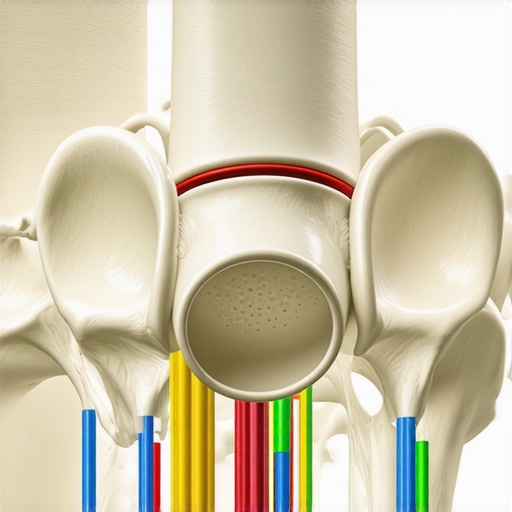
I was standing in my kitchen, frozen like a statue, because the slightest shift toward the toaster sent a searing jolt from my glute to my ankle. I spent three weeks aggressively stretching my hamstrings, convinced I’d just ‘tightened up’ from a long hike. In reality, I was practically sawing my sciatic nerve against a bulging disc every time I touched my toes. That’s the thing about sciatica; it’s a symptom, not a diagnosis, and treating a disc like a muscle is a recipe for a very long, very painful month. Today, I’m going to show you how to distinguish between a disc issue and a simple muscle knot so you can actually start finding sciatica relief secrets that actually work. Have you ever felt that sharp, electric zing and immediately reached for your toes, only to feel it get ten times worse?
Stop Guessing Why Your Leg Is On Fire
Learning how to tell if your leg pain is sciatica or a deep muscle knot is the difference between being back on your feet in a week or being stuck on the floor for a month. When it’s a disc, your spine is essentially bulging, putting direct pressure on the nerve root. When it’s a muscle—usually the piriformis—it’s just a case of a very grumpy neighbor squashing the nerve as it passes by. Most people make the mistake of treating both with the same aggressive stretches, which is why they never get better.
Is this just another internet diagnosis that won’t work?
I get it. You’ve probably watched twenty YouTube videos and you’re still limping. Skepticism is your friend here because the wrong movement can turn a minor ache into a surgical conversation. The reality is that approximately 90% of sciatica cases are caused by a herniated disc, according to research from Harvard Health, yet we often fixate on the muscle because it feels more ‘fixable’ with a foam roller. I’m here to give you the specific markers I used to finally stop the cycle of flare-ups and get my life back.
The Day I Realized My Hamstring Stretch Was a Trap
My biggest blunder was the ‘no pain, no gain’ mentality. I thought if I just pulled harder on my leg, the nerve would somehow ‘pop’ back into place. But I didn’t realize that why stretching your hamstrings often makes your sciatica worse is because you’re actually putting the nerve under high tension, not the muscle fibers. If your pain increases when you tuck your chin or straighten your leg while sitting, you’re likely dealing with a disc. If it only hurts when you press deep into your glute, you might be looking at a muscle issue. Knowing if is your back pain a sign of something more serious is the first step in deciding whether to rest or move. If you’ve been doing ‘nerve flossing’ and it feels like liquid fire, you need to stop immediately and recalibrate with a nerve glide exercise that calms burning leg pain instead of forcing a stretch your body is actively fighting against.
Put Your Spine to the Test Before You Stretch
Think of your sciatic nerve like a delicate silk thread running through a straw. If the straw—your spinal canal or the space between your vertebrae—is kinked because of a bulging disc, pulling on that thread doesn’t make it longer; it just makes it fray. This is why standard stretching often fails. To find out what you are actually dealing with, you need to recognize the difference between muscle soreness and nerve irritation before you even think about a foam roller.
The Slump Test That Reveals the Truth
Sit on a firm chair with your hands behind your back. Slump your mid-back and neck forward, bringing your chin to your chest. Now, slowly straighten your painful leg. If that familiar ‘zing’ or pull shoots down your leg, but then disappears the moment you look up at the ceiling, you have a nerve tension issue, likely from the disc. This simple movement proves that the pain is connected to the entire neural chain, not just a tight muscle. I remember trying to drive three hours for a wedding while my right leg felt like it was being dipped in acid. Every time I hit the gas, the ‘zing’ intensified. I tried to pull my knee to my chest at a red light and almost couldn’t get back out of the car because I was aggressively tugging on an already irritated nerve. It was a brutal lesson in why knowing how to tell if your hip tightness is actually a back issue is vital for your recovery. 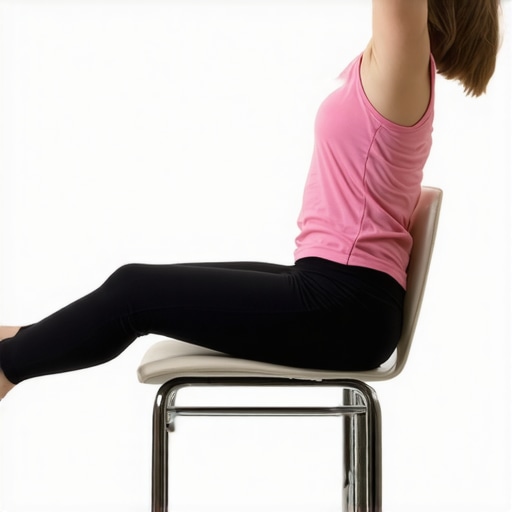
Trade Your Hamstring Pulls for Nerve Glides
Once you confirm the nerve is the culprit, you must stop ‘stretching’ and start ‘gliding.’ A nerve glide is a rhythmic movement that slides the nerve back and forth through those tight spaces without adding tension to the ends. Lie on your back, hold the back of your thigh, and slowly pump your ankle up and down as you gently straighten and bend your knee. You are essentially flossing the nerve. This nerve glide exercise that calms burning leg pain is the exact method I used to finally calm my system down after weeks of failed ‘no pain, no gain’ attempts.
Master the Transition from Sitting to Standing
Most flare-ups happen when we move carelessly between positions. If you have a disc issue, you need to learn the best way to transition from sitting to standing with a disc bulge to avoid that sharp, breath-snatching pinch. Keep your spine neutral, use your glutes to power the move, and avoid ‘leading with your nose’ which rounds the lower back.
Build a Shield with the Dead Bug Move
Static stretches won’t fix a wobbly spine, but stability will. The goal is to create a ‘muscular corset’ that keeps your vertebrae from pinching the nerve every time you sneeze or reach for the milk. I started incorporating the dead bug exercise why it is essential for every back pain sufferer because it teaches your core to stay rock-solid while your limbs move. When I first tried it, I could barely move my arm without my back arching, which explained exactly why I was always in pain. By mastering this control, you stop the micro-movements that keep your nerve in a state of constant inflammation.We need to talk about the ‘tightness’ trap. Most people feel a pull in their leg and assume their muscles have physically shortened, but that’s rarely the case with chronic pain. In many instances, why hamstring tightness is a defense mechanism for your back is because your brain is using those muscles as a brake system. If your spine feels unstable because of a disc issue, your brain will lock down the hamstrings to prevent you from bending in a way that could cause a catastrophic injury. When you force a stretch, you’re essentially trying to cut the brakes on a car that’s parked on a hill.
Your Hamstrings Aren’t Tight—They’re Terrified
This is the nuance that separates generic advice from real recovery. If you keep pulling on a nerve that is already sensitized, you aren’t creating flexibility; you’re creating inflammation. This is exactly why stretching your hamstrings might be making nerve pain worse. You’re literally tugging on an angry nerve root. I spent years thinking I was ‘inflexible’ when I was actually just structurally compromised. Once I addressed the spinal stability, my ‘tight’ hamstrings relaxed instantly without a single stretch. 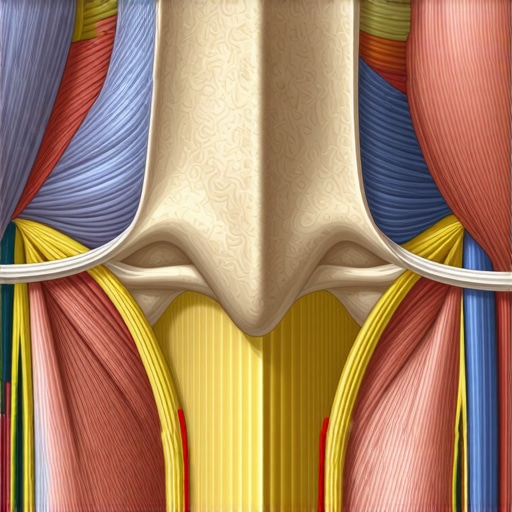
Does more core strength always lead to less pain?
You’ve likely heard that a ‘weak core’ is the root of all evil. However, the ‘oops’ factor here is that most people over-brace. They walk around with their abs sucked in and their glutes squeezed, thinking they are protecting their spine. In reality, this constant tension increases intradiscal pressure. According to Dr. Stuart McGill, a leading expert in spine biomechanics, excessive spinal ‘bracing’ can actually increase the compressive load on your discs, turning a recovery plan into a source of further injury. If you’re constantly tight, why your core strength workout is actually destroying your lower back might be due to this lack of ‘abdominal expansion’ and natural movement.
Stop Clenching Your Glutes Like a Vice
Another common mistake is the habit of standing with your glutes tucked and squeezed. We’ve been told to ‘activate our glutes’ so much that we’ve forgotten how to let them rest. You need to stop squeezing your glutes when you stand because it shoves the head of the femur forward and puts unnecessary strain on the front of the hip and the lower lumbar spine. Real mobility isn’t about how far you can reach; it’s about how well your muscles can transition from tension to relaxation. To reset your system after a long day of sitting, try the one minute thoracic bridge for people stuck at their desk to open up the front of your body without compromising your lower back. Have you ever fallen into this trap of stretching a nerve until it screams? Let me know in the comments.I used to think that once the ‘zing’ stopped, I was cured. I went back to my old ways—sitting for eight hours, lifting groceries with a rounded back, and skipping my mobility work the second I felt 80% better. That’s a trap. Real recovery isn’t a destination; it’s a series of micro-adjustments you make every single day. One of the most important things I’ve learned is why maintenance care is better than waiting for a spinal crisis. If you only pay attention to your back when it’s screaming, you’re always playing catch-up with inflammation.
Why You Can’t Just ‘Fix’ Your Back and Walk Away
The ‘fix-it’ mindset is what keeps people in the chronic pain loop. You need to shift toward ‘load management.’ This means looking at your daily activities as a spine health bank account. Every time you sit for two hours without moving, you’re making a massive withdrawal. To keep your ‘spine account’ in the black, you need to understand why your body needs micro-breaks every 20 minutes to stay mobile. Dr. Kelly Starrett, author of *Becoming a Supple Leopard*, often discusses the ‘Movement Minimum’—the baseline of motion required to keep your joints lubricated and your nerves happy. For me, that meant setting a vibration alert on my watch to remind me to stand up and reset my posture.
The Three Recovery Tools That Actually Deserve Space in Your Gym Bag
I’ve wasted hundreds of dollars on vibrating massage guns and fancy inversion tables that just gathered dust in the corner. Now, my kit is lean and intentional. I swear by a firm foam roller—but not for the reason you think. I don’t roll my lower back directly; I roll my quads and hip flexors. When you learn how to use a foam roller on quads to relieve back pressure, you stop the front of your legs from pulling your pelvis into a painful forward tilt. My second ‘must-have’ is a simple tennis ball. Seriously. Knowing how to use a tennis ball to relieve glute tension is a absolute game-changer for long car rides or flights where you can’t get up to stretch. Finally, I make sure my workstation is dialed in. I even learned how to adjust office chair armrests to prevent shoulder tension, which surprisingly took the heavy strain off my mid-back and neck. 
How can I maintain my spine without spending an hour at the gym?
You don’t need a 60-minute yoga session to stay mobile. In fact, short, frequent bursts of movement are far more effective for nerve health than one long, exhausting session. I recommend the ‘Pelvic Reset.’ It takes three seconds. Try the 3 second pelvic reset you can do while waiting in line to keep your lumbar spine from locking up during the day. As for the future, I predict we will soon see bio-feedback sensors integrated into our daily clothing that alert us the moment our posture starts to collapse via haptic feedback. Until that tech is standard, you have to be your own sensor. Try the pelvic reset next time you’re standing in the kitchen; your L5-S1 disc will thank you for the relief. For more long-term habits, check out these mobility mastery daily tips to keep your spine and joints healthy.
The Brutal Realization That Finally Stopped My Flare-Ups
I spent years fighting my body, treating every jolt of pain like a personal failure. What I eventually learned is that pain is a messenger, not a judge. When my hamstrings felt tight, I stopped asking, “How can I stretch them?” and started asking, “Why is my brain protecting my spine?” I realized that why hamstring tightness is a defense mechanism for your back is one of the most profound shifts in thinking you can make. Your muscles aren’t short; they are just standing guard. Another lightbulb moment was accepting that rest alone is rarely the cure. Inactivity can actually make the nerve more sensitive, whereas gentle, rhythmic motion helps the disc and the nerve breathe again. Finally, I had to accept that there is no ‘magic pill.’ Real recovery is found in the way you pick up your groceries, the way you sit at your desk, and the way you listen to those early warning signs before they turn into a crisis.
Tools That Actually Work When Your Back Is Angry
You don’t need a garage full of expensive equipment to get results. I’ve narrowed my personal recovery kit down to a few essentials that I carry everywhere. First, I focus on the front of my body to save the back; learning how to use a foam roller on quads to relieve back pressure was a total game-changer for my daily comfort. Next, for those deep glute knots that feel like they’re trapping the nerve, I’ve found that knowing how to use a tennis ball to relieve glute tension is the most portable and effective solution for long drives. I also swear by the ’20-minute rule.’ Using a simple timer to remind myself why your body needs micro-breaks every 20 minutes to stay mobile prevents the static loading that kills disc health. These aren’t just gadgets; they are habits that create a sustainable environment for your spine to thrive.
You Are Not Just a Bad Back
It is incredibly easy to let a diagnosis like a bulging disc or sciatica become your entire identity. You start skipping social events or fearing the gym because you’re waiting for the next ‘zap.’ But remember, your body is remarkably resilient and designed to heal. By implementing these sciatica relief secrets and shifting your focus from ‘fixing’ to ‘supporting’ your nervous system, you can return to the activities you love. Take it one day at a time, and don’t be afraid to experiment with these mobility mastery daily tips to keep your spine and joints healthy. You have the tools, you have the knowledge, and now you have the plan. Which move are you going to try first—the nerve glide or the pelvic reset? Let me know your thoughts in the comments below! #IMAGE_PLACEHOLDER_E#