
The 10-Second Hip Reset for Relief After Sitting
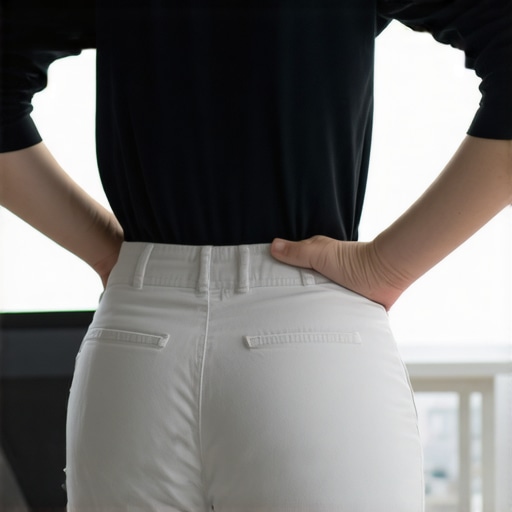
I remember the day I realized my office chair was a torture device. Last Tuesday, after a marathon three-hour Zoom session, I tried to stand up and my body basically said, ‘No thanks.’ My hips felt like they had been fused together with industrial-grade epoxy. I did that awkward, hunched-over shuffle to the kitchen, feeling every bit of a century old. We have all been there, right? That moment where you realize your body has adapted to the shape of your chair, and it is not a shape that is conducive to actual human movement. [IMAGE_PLACEHOLDER]
Your Hips Are Probably Just Bored and Locked Up
I will be honest with you: for a long time, I was doing everything wrong. I thought the tightness was a strength issue, so I doubled down on heavy lifting, which only made things tighter. Then I thought it was a flexibility issue, so I started stretching my hamstrings religiously, only to find that my tightness was actually my body trying to protect my spine. I was making the classic mistake of treating the symptom rather than the source. The real culprit is usually a combination of your desk chair height and the fact that our glutes literally go to sleep when we sit. According to the Mayo Clinic, this phenomenon, often called ‘dead butt syndrome,’ happens when the gluteus medius becomes inhibited and inflamed. It is not just an embarrassing name; it is a recipe for chronic back and hip misery. We are going to fix that today with a simple 10-second reset that actually addresses the neural ‘lock’ on your pelvis. Have you ever felt that sharp, pinching sensation in your groin the second you try to stand up straight?
Is ten seconds honestly enough time to fix a whole day of sitting?
It sounds like a gimmick, I know. I was the biggest skeptic in the room when I first heard about ‘micro-resets.’ I figured if a 20-minute foam rolling session did not work, how could a few seconds of movement do anything? But the secret is not about stretching the muscle longer; it is about signaling to your nervous system that it is safe to let go. Even if you have tried standing desks or expensive ergonomic chairs, your hips still need a manual override to break the cycle of static loading. I have found that this specific hip movement is the only thing that stops my L5-S1 disc from feeling like it is being crushed after a long commute. We are not just moving for the sake of moving; we are recalibrating your pelvic tilt so you can walk away from your desk without looking like a question mark.The first thing you have to understand is that your pelvis is like a jammed desk drawer. If you keep pulling on it with force—like through aggressive stretching—it just gets more stuck. You have to wiggle it back into its track. This is where most people fail. They try to stretch the front of the hip without fixing the tilt of the pelvis first. If your pelvis is tilted forward in that classic duck butt posture, your hamstrings are already stretched to their limit. Adding more stretch is like pulling a rubber band that is already at the breaking point. The neural lock is basically your brain’s version of a parking brake. When you sit too long, the brain thinks your spine is under threat, so it clamps down on the hip flexors to stabilize the area. You can’t stretch your way out of a parking brake; you have to shift the gears.
Stop Fighting Your Anatomy and Start Resetting Your Pelvis
Think of your pelvis as a bowl of water. When you sit for hours, that bowl tips forward, spilling water out the front. This puts your lower back into a permanent arch, which is why that sharp pinch in your right hip feels so constant during your workday. To fix this, we need a manual override that tells the nervous system the emergency is over.
The 3-Second Pelvic Reset That Actually Sticks
You can do this while you are waiting for a website to load or even while waiting in line at the grocery store. Sit tall on your sit-bones. Imagine there is a string pulling the top of your head up toward the ceiling. Now, instead of arching your back, tuck your tailbone under you just slightly—like a dog tucking its tail. You should feel your lower abs engage. Hold that for three seconds and then let go halfway. You aren’t trying to hold a rigid, military posture; you are just reminding your brain where middle is. 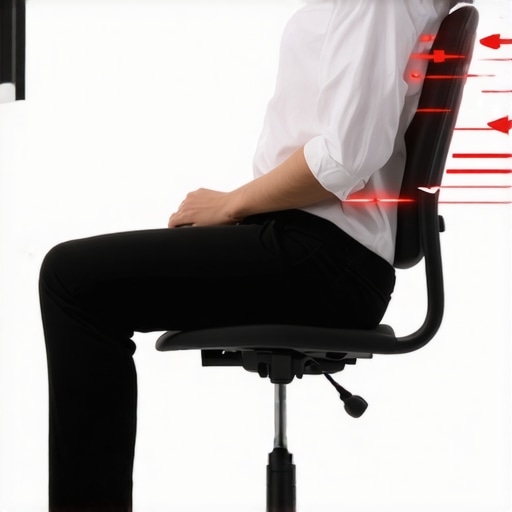
Why Squeezing Your Glutes When Standing Is a Bad Idea
I used to think that firing my glutes meant clenching them as hard as possible as soon as I stood up. I was wrong. When you stop squeezing your glutes when you stand, you actually allow the hip joint to sit deeper and more comfortably in the socket. Constant clenching pushes the head of the femur forward, which creates more of that front-side hip pain. Last month, I was finishing a massive project and spent eight hours at my desk. Usually, that would end with me lying on the floor with a heating pad. Instead, I committed to the reset every time my timer went off. By the time I closed my laptop, my back felt remarkably loose. Your body doesn’t need a marathon gym session to recover; it needs frequent reminders that it isn’t a statue.
Wake Up Your Muscles Before You Move
If you try to jump into a sprint after sitting for three hours, your nervous system will panic and lock everything down to protect your spine. You need to prime the pump to ensure your joints are lubricated and your muscles are firing.
Isometric Wakes-Ups for Your Dead Butt
Before you even stand up, do a quick glute squeeze while still seated. This tells your brain that the glutes are now online and ready to support your weight. This simple act directly combats the dead butt syndrome that makes walking feel like a chore after a long shift. Pair this with why your body needs micro-breaks every 20 minutes, and you break the cycle of static loading before it can cause structural damage. If you have been feeling a deep ache that radiates down the leg, you might even find that the nerve glide exercise is ten times more effective once the pelvis is back in a neutral position.The biggest lie we have been sold is that a ‘strong core’ requires a six-pack. In reality, why your core strength workout is actually destroying your lower back often comes down to the sheer volume of repetitive spinal flexion. Most people think they are bulletproofing their spine with sit-ups, but they are actually just grinding their discs together. Dr. Stuart McGill, a world-renowned expert in spinal biomechanics, has shown that traditional sit-ups can place over 3,000 Newtons of force on the spine in a way that encourages disc herniation. Instead of more movement, your back often needs more stability—exercises that prioritize a neutral spine are far more effective than a hundred crunches.
The Hamstring Stretch Trap Most People Fall Into
If you have ever felt a ‘tightness’ in the back of your leg and decided to touch your toes, you might be making a massive mistake. When you have sciatica, that tightness is rarely the muscle; it is your nerve being pulled like a guitar string. This is why stretching your hamstrings might be making nerve pain worse. You are essentially ‘flossing’ an inflamed nerve against bone and muscle, which only increases the irritation. 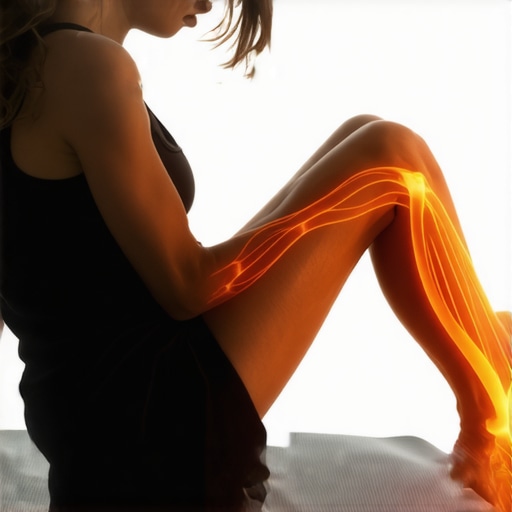
Can You Truly Tell the Difference Between Muscle Tightness and Nerve Tension?
It is a nuance that even some seasoned athletes miss. If you stretch your hamstring and the pain gets sharper or travels toward your foot, stop immediately. You should be looking into the nerve flossing technique that silences burning thigh pain instead of aggressive static holds. Another hidden culprit is sitting right under your nose—literally. I have seen clients spend months on back rehab only to realize how your jaw tension is quietly causing your upper back knots. The body is a closed kinetic chain; a clenching jaw at your desk can ripple down into your traps and mid-back, creating a ‘phantom’ back issue that no amount of foam rolling will fix. Have you ever fallen into this trap of stretching a nerve that just wanted to be left alone? Let me know in the comments.
Once you stop irritating the nerve, the focus shifts to keeping the progress you have made. For me, that meant building a ‘spine survival kit’ that sits right under my desk. I do not use fancy electronic massagers that cost hundreds of dollars; honestly, a simple tennis ball is my most-used piece of equipment. I have learned that knowing how to use a tennis ball to relieve glute tension is far more effective than any vibrating gadget because you can pinpoint the exact trigger point that is referring pain up into your lumbar. The same goes for my neck; I spent years with headaches before realizing how to use a tennis ball to release tension in your upper traps to break the cycle of constant shoulder shrugging. 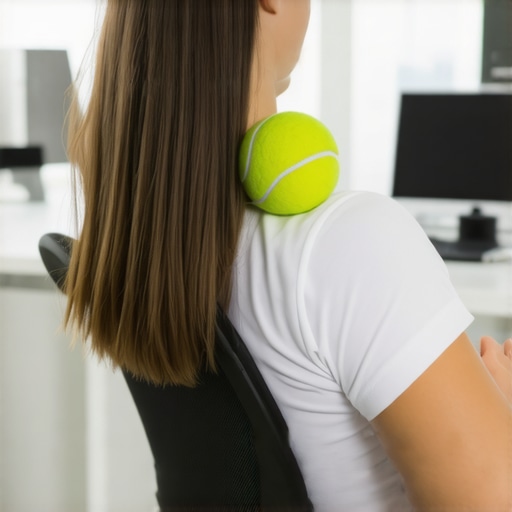 I am also obsessed with my monitor setup now. Most people have their screens far too low, which forces the cervical spine into a constant ‘C’ shape. I am a firm believer that why your desk monitor should be higher than you think is the single biggest ergonomic change you can make. If your eye level does not hit the top third of your screen, your neck is doing extra work it was never designed for.
How do I maintain my mobility gains over time?
Consistency beats intensity every single time. I used to go to the gym once a week and try to fix seven days of sitting with one hour of heavy lifting. It never worked. Now, I prioritize why maintenance care is better than waiting for a spinal crisis by using micro-resets. This is where mobility mastery daily tips to keep your spine and joints healthy becomes a lifestyle rather than a chore. I also stopped trying to stretch through the pain and started focusing on stability. If you are struggling with a wobbly lower back, you need to master the single best exercise for stabilizing a wobbly lower spine. This is not about flexibility; it is about making sure your muscles can actually hold your vertebrae in place when you sneeze or pick up a bag of groceries. Looking ahead, I think we are going to see a massive shift toward bio-feedback wearables that do not just track steps, but actually monitor pelvic tilt and spinal curvature in real-time. According to Dr. Kelly Starrett, author of Becoming a Supple Leopard, our modern environment is constantly trying to ‘deform’ our natural posture, and technology that alerts us to these micro-collapses will be the next frontier in back health. My challenge to you today: do not just read this. Go grab a tennis ball or even a firm piece of fruit, and spend two minutes on that one spot in your glute that always feels tight. You will be surprised how much boost your back mobility simple exercises that make a difference can change your entire afternoon.
The Hardest Lesson I Learned About Chasing the ‘Stretch’
For years, I believed that if a muscle felt tight, it needed to be lengthened. I was wrong. The biggest shift in my recovery occurred when I realized that my hip tightness wasn’t a flexibility issue—it was a stability issue. My brain was using my hip flexors as emergency brakes because it didn’t trust my core to protect my spine. Before you dive into another aggressive yoga routine, you need to be how to tell if your leg pain is sciatica or a deep muscle knot, as stretching a nerve that is already under tension is a recipe for disaster. [IMAGE_PLACEHOLDER] I also had to unlearn the idea that ‘sitting up straight’ meant being rigid. In reality, understanding the link between poor posture and chronic back pain taught me that the best posture is your next posture. My lightbulb moment? My hips didn’t need more stretching; they needed more permission to move through their full range of motion without my nervous system panicking.
The Spine Survival Kit I Use Every Day
Consistency in the home office starts with having the right tools within arm’s reach. I’ve stopped looking for the ‘magic’ gadget and focused on high-leverage basics. First, I’m very selective about passive treatments; I’ve looked into the truth about inversion tables who they help and who they hurt and decided that active engagement always beats hanging upside down for my specific disc issues. My daily kit includes a simple tennis ball for glute release and a firm foam roller. However, I had to learn how to use a foam roller on your neck without injury, because the cervical spine is far too delicate for the aggressive ‘rolling’ people do on their quads. Lastly, I keep a copy of Dr. Stuart McGill’s Back Mechanic on my desk to remind me of the ‘Big 3’ stability moves whenever I feel a flare-up starting.
Your Back Deserves Better Than a Life of Static Loading
We often treat our bodies like they are static sculptures rather than dynamic systems. The discomfort you feel at the end of a workday isn’t a life sentence; it is a signal that your environment is winning the battle against your biology. By prioritizing these micro-resets, you are finding back pain breakthroughs navigating your path to restored mobility that don’t require hours in the gym. You are unlocking sciatica relief expert strategies for lasting comfort by simply choosing to move every twenty minutes. Don’t wait for a crisis to start caring for your spine. Start with one pelvic tilt, one monitor height adjustment, and one short walk. Have you ever tried stretching your hamstrings only to have your back pain or sciatica get noticeably worse the next day? Let me know in the comments below.