
How to use a rolled-up shirt to fix car seat back pain

I remember the exact moment I realized my daily commute was slowly turning into a nightmare. Sitting in my car, feeling that persistent ache creeping up my lower back, I thought, “There has to be a better way.” Classic discomfort, tingling sensations, and the dreaded sciatic nerve flare-ups had become all too familiar, robbing me of the freedom to enjoy simple drives or long trips. That’s when I stumbled upon a simple, at-home hack that changed everything—a rolled-up shirt turned makeshift lumbar support. And no, it’s not some quirky DIY trend; it’s a game-changer.
Why Back Pain Can Make You Feel Trapped
Back pain isn’t just a minor inconvenience; it’s a barrier that impacts your mobility, mood, and overall quality of life. The worst part? Many of us underestimate how much poor posture and the subtlest daily habits contribute to chronic discomfort. I used to brush off that ‘stiffness’ after work or assume my posture was fine. But quietly, those little things compound, leading to persistent pain and, sometimes, debilitating sciatica. This is precisely why finding effective, quick fixes for back pain—like using a simple rolled-up shirt—is so meaningful.
What’s more surprising is the role of everyday items in alleviating soreness. For instance, did you know that using a rolled-up shirt as support can improve spinal alignment and reduce pressure on your nerve roots? According to research, proper lumbar support can significantly diminish back pain symptoms (source: understanding the link between posture and pain). This makes it an accessible, budget-friendly solution that many dismiss as mere improvisation.
Is a Simple Shirt Roll Really Effective for Back Pain?
Initially, I was skeptical, too. I’d made plenty of mistakes early on—like ignoring my posture or relying solely on over-the-counter remedies. But I learned that the small choice of rolling a shirt could actively support my lumbar region during long drives or sitting periods. This technique isn’t a cure-all, but it’s a powerful tool in the battle against daily discomfort, giving your spine the support it needs without expensive equipment or invasive treatments.
If you’re tired of suffering through your daily drives or if standing up from your seat leaves you stiff and sore, then this post is for you. Over the next sections, I’ll share how to perfectly utilize this simple hack and why it might just be the relief you’re searching for. Ready to discover your new favorite mobility ally? Let’s get started.
Position Your Support Correctly
Lay the rolled-up shirt horizontally behind your lower back while sitting on your chair. Imagine your lumbar spine as a stack of blocks; adding this support aligns them properly, preventing them from slumping forward. I once placed the shirt support during an extended work session; initially, I felt awkward, but soon, I noticed my lower back soreness diminished—allowing me to focus better. Keep the support snug but comfortable, avoiding excessive pressure that could cause discomfort.
Adjust Your Sitting Posture Actively
Think of your spine as a skyscraper; it needs a strong foundation. Sit with your hips pushed back, so your back touches the chair’s lumbar support or the rolled shirt. Elevate your chest slightly by pulling your shoulders back. I caught myself slouching while watching a movie and remembered to adjust my posture; the result was immediate relief. Regularly remind yourself to sit upright, like a stack of books standing straight, to maintain spinal integrity throughout the day.
Practice Gentle Pelvic Tilts
This move repositions your pelvis, akin to aligning the wheels of a bicycle. Lie on your back with knees bent, feet flat, and arms by your sides. Gently flatten your lower back against the floor by tilting your pelvis upward, then release. I added this to my morning routine, and after a week, felt a significant reduction in hip tightness and sciatic discomfort. Think of these tilts as calibration—ensuring your pelvis supports your spine correctly.
Incorporate Micro-Movements During Breaks
Stand up, stretch your hamstrings lightly, and rotate your torso side-to-side to prevent stiffness. Picture your spine as a rubber band; gentle stretching keeps it flexible and less prone to injuries. During a long day at my desk, I paused every 20 minutes to perform these micro-movements, which kept my back from stiffening and reduced flare-ups. Make these small habits part of your routine—your back will thank you.
Use Proper Ergonomics for Daily Activities
Align your computer monitor to eye level and keep your feet flat on the floor. Imagine your workspace as a custom suit tailored for your body—every angle and height set to prevent strain. I realized my desk chair was too low, causing me to crane my neck; raising it instantly improved my posture. For prolonged tasks, consider ergonomic accessories that support natural body positions, reducing unnecessary pressure and strain.
Strengthen Your Core Within Daily Life
Engage your core muscles—imagine tightening a belt around your waist—to support your spine. During routine activities like picking up objects, brace your abdominal muscles slightly before lifting. I practiced this when moving a heavy box; instead of straining my back, I felt the power transfer through my core, making the lift safer. Regular core engagement acts like a natural brace, stabilizing your back during all movements.
Introduce Mobility Exercises Regularly
Work on hip and back flexibility through targeted stretches. Take the 90-90 hip drill—sit with one leg bent at 90°, the other extended, then slowly turn your torso to the bent side. Think of your hips as gates that, when flexible, allow your spine to move freely. I added this stretch to my daily routine, noticing less tightness and fewer sciatic episodes. Consistent motion prevents stiffness and encourages healthy circulation in your spine.
Many individuals believe that stretching is the primary solution for back and neck pain, but this oversimplification overlooks crucial nuances. Stretching blindly can sometimes exacerbate issues, especially if the root cause is strength deficits or movement patterns rather than flexibility. For example, a common myth is that tight hamstrings cause lower back pain; however, recent studies suggest that weak core muscles may play a more significant role in instability leading to discomfort (source). This misconception can lead to unnecessary stretching that doesn’t address the underlying weakness, delaying recovery.
Another trap many fall into is relying solely on passive treatments like foam rolling or massages without addressing movement quality. While these can provide temporary relief, neglecting active strategies—such as targeted strengthening and proper ergonomics—limits long-term progress. Engaging in continuous passive relief methods might lull you into a false sense of security, causing you to ignore ingrained movement habits that perpetuate pain.
Why do most mobility exercises fall short for chronic pain sufferers?
It’s essential to recognize that mobility isn’t just about increasing range of motion; it’s about restoring functional movement patterns. Many advanced practitioners emphasize neuromuscular control—training your nervous system to activate muscles correctly during daily activities. This nuance is often missing in generic mobility routines, which focus only on stretch and release without retraining optimal movement synergies. For instance, improving hip mobility without addressing core stability might simply shift pain to other areas, like the lower back or knees. A comprehensive approach combines mobility work with strength, posture correction, and movement re-education, ensuring sustainable results.
Being aware of these misconceptions can prevent you from falling into common traps. Instead of blindly following popular trends, consider consulting expert sources like back pain breakthroughs or sciatica relief strategies for tailored, effective plans. Remember, true mobility isn’t just about flexibility; it’s about controlled, pain-free movement. Have you ever fallen into this trap? Let me know in the comments.
Staying consistent with your mobility and pain management routines requires the right tools—both physical and digital. I personally rely on specific equipment to keep my back and neck healthy over the long haul. Investing in quality tools not only enhances the effectiveness of your exercises but also ensures sustainability in your self-care routine.
One of my favorites is a high-density foam roller, like the TriggerPoint GRID, which I use to target my thoracic spine and release muscle tension. Unlike softer rollers, this one maintains its shape, providing deeper myofascial release that’s crucial for breaking up knots that contribute to sciatica and neck stiffness. I incorporate rolling sessions at least three times a week, especially after long days at my desk, to prevent stiffness and improve mobility.
For targeted nerve gliding and mobility drills, I recommend a set of resistance bands such as the resistance loop bands from Fit Simplify. They’re inexpensive but highly effective for activating and strengthening stabilizing muscles around your spine and hips. I use them for micro-loading exercises, which help me maintain core stability, essential for back health. Regular activation of deep stabilizers prevents maladaptive movement patterns that often cause pain to resurface.
Technology has also become an ally in this journey—specifically, posture correction apps. The Upright GO posture trainer, for example, attaches discreetly to your back and vibrates when you slouch. I’ve been using it daily to reinforce good habits, and over time, it’s rewired my subconscious to maintain better posture, especially during prolonged computer sessions. These tools are vital for ingraining habits that support long-term spinal health.
In terms of software, I utilize guided mobility routines through platforms like YouTube or specialized apps such as GOWOD or ROMWOD. They provide structured, progressive exercises that adapt to my weekly progress, ensuring I challenge myself without risking injury. The key is consistency—and these digital tools make it easier to stay on track even on busy days.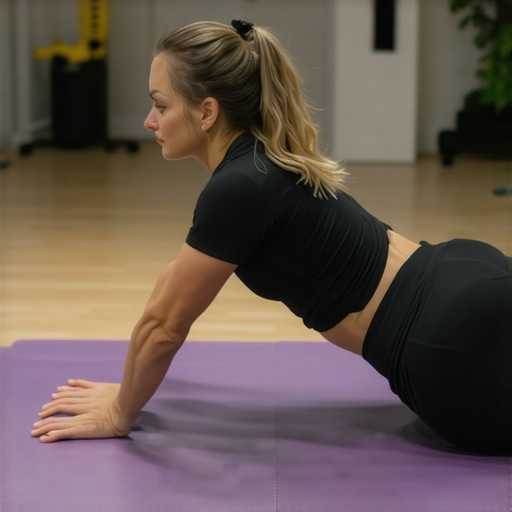
Looking ahead, the trend is moving toward integrated digital health ecosystems—wearables that monitor posture, movement, and even muscle fatigue, syncing with apps to give real-time feedback. According to recent insights from 2025 mobility management strategies, the future of back health will likely involve personalized AI-driven routines based on ongoing data collection.
Want to elevate your routine? Try incorporating a foam roller session after your next long sitting period. Focus on your thoracic spine and shoulders to release tension that might be secretly contributing to neck pain or back stiffness. Remember, consistency in using these tools is what ultimately preserves mobility and reduces pain over time. If you’re curious about more advanced techniques, exploring nerve glide exercises or ergonomic assessments can take your progress even further. Keep experimenting—your spine will thank you for it.
Throughout this journey, I’ve come to realize that meaningful change often emerges from small, intentional actions. The simple idea of using a rolled-up shirt for lumbar support was more than just a quick fix; it was a catalyst for understanding my body better and taking proactive steps every day. That insight transformed my approach from reactive to preventive, proving that empowering habits can be made accessible regardless of budget or time constraints.
Lessons That Changed My Perspective on Mobility and Pain Relief
- Consistency Outperforms Complexity: Incorporating tiny habits, like micro-movements or ergonomic adjustments, yields more sustainable results than sporadic intense sessions. It’s the small, repeated efforts that create lasting change.
- Knowledge Is Power but Context Is Key: Reading generic advice is helpful, but understanding how it applies specifically to your body makes all the difference. Personal experimentation combined with expert guidance unlocks real progress.
- Tools Amplify Your Efforts: Investing in quality equipment like foam rollers or posture trainers accelerates improvement, making exercises more effective and enjoyable. The right tools serve as reliable allies on your path to well-being.
- Myth Busting Opens New Doors: Challenging common misconceptions—such as stretching being a cure-all—allowed me to adopt smarter, more targeted strategies that truly address my pain sources.
- Self-Awareness Is Your Best Guide: Tuning into your body’s signals helps catch early signs of strain, preventing minor discomfort from escalating into chronic issues. Mindful movement is a cornerstone of injury prevention.
My Top Resources for Continued Growth
- Back Pain Breakthroughs — This comprehensive guide offered me actionable insights that transformed my understanding of pain management and mobility restoration.
- Future of Mobility Strategies — Staying ahead of evolving health trends, this resource shares cutting-edge tools and techniques that keep me motivated and informed.
- Connecting Posture and Pain — Deepening my understanding of posture’s impact helped me make smarter ergonomic choices daily.
- Sciatica Relief Secrets — Practical tips and nerve glide exercises from this source have kept me pain-free during busy weeks.
Your Path Starts Now—Embrace Movement and Care
Remember, restoring mobility and alleviating back or neck pain is an ongoing journey. Each small effort compounds into significant improvements over time. Embrace the process, be patient with your progress, and recognize that you hold the power to change your well-being. The strategies outlined here aren’t just temporary fixes—they’re seeds for a healthier, more mobile future. So, take that first step today, whether it’s adjusting your chair, incorporating a quick stretch, or exploring new tools—your body will thank you. Have you ever tried a simple hack that unexpectedly transformed your pain? Share your story below and inspire others to start their own journeys toward relief.