
Why Your Core Strength Isn’t Protecting Your Back

It happened during a simple workout — I felt that unmistakable twinge in my lower back, the kind that sends a shock through your spine and makes even bending feel risky. At first, I thought my core wasn’t strong enough, so I doubled down on belly burns and planks. Yet, surprisingly, the pain lingered, stubborn as ever. That moment was a real lightbulb — I’d overlooked a critical piece of the puzzle.
Why Your Core Might Be the Wrong Protector for Your Back
Many folks, including myself at one point, believe that a strong core is the magic bullet to a healthy back. The truth? It’s often not that simple. You might have abs of steel but still experience persistent back pain or instability. Why? Because not all core exercises target the right muscles, or worse, they might be engaging the wrong ones.
Let me ask you — have you ever felt that ache in your lower back after what seemed like a solid core workout? Or do you avoid certain movements out of fear they might worsen your pain? If so, you’re not alone, and this is exactly where many go wrong.
Early in my journey, I made the mistake of assuming that more core exercises equal better spinal protection. Turns out, I was activating muscles that were contributing to instability rather than stability. Supporting my back required more than just crunches; it needed targeted, functional strategies. That realization propelled me toward methods I now share in hopes of helping others avoid prolonged struggle.
Supporting this, studies have shown that improper core training can sometimes exacerbate back issues (source: [National Institute of Neurological Disorders and Stroke](https://www.ninds.nih.gov/health-information/news-events/news/why-some-back-pain-comes-back)). Understanding these nuances can be the difference between ongoing discomfort and lasting relief.
So, what’s next? How do we ensure your core works *for* you, not against you? Let’s explore concrete steps to rebuild your core so it genuinely safeguards your back, starting with identifying what might be missing from your current routine.
Activate Your Deep Core Muscles
Start with exercises that target your transverse abdominis, the deep abdominal muscle acting like a natural corset. Lie on your back, gently pull your belly button towards your spine without holding your breath, and hold for 5 seconds. I once combined this with diaphragmatic breathing, which significantly reduced my lower back tension and improved stability over a few weeks.
Incorporate Functional Stabilization
Move beyond traditional crunches. Focus on exercises like the bird-dog, which promotes spinal alignment. For example, on a mat, extend one arm and the opposite leg, hold for a few seconds, then switch. I added these into my routine daily, and over time, I noticed a decrease in episodes of back discomfort during daily activities.
Practice Controlled Movement Patterns
Learn to engage your core during routine tasks, such as bending or lifting. For instance, when picking up groceries, hinge at the hips instead of bending at the waist, keeping your back flat. I once caught myself slouching during chores and consciously applied this technique, which prevented the typical post-lift strain.
Improve Hip and Pelvic Mobility
Limited hip mobility can overload your lower back. Perform hip openers like the 90/90 stretch, which involves sitting with one knee bent at 90 degrees in front and the other to the side, then gently leaning into the stretch. Incorporating this into my morning routine helped release hip tension, easing the strain on my lumbar spine.
Prioritize Postural Awareness
Regularly check your posture throughout the day. Set reminders to reset your alignment—shoulders back, chest open, and head over your shoulders. I used to hunched over my desk; now, I pause every hour to correct my posture, resulting in less neck and back pain.
Implement Gentle Mobility Drills
Daily mobility exercises can maintain spinal and joint health. The cat-cow stretch in yoga is excellent—progressing from a rounded back to an arched position. When I started doing this every morning, my back felt more flexible and less stiff after prolonged sitting.
Establish a Consistent Routine
Consistency is key. I dedicated 10 minutes daily to core and mobility exercises, which compounded over weeks. This prevented my back from falling back into pain patterns and reinforced my progress.
Seek Professional Guidance
If pain persists or worsens, consulting with a specialist ensures tailored interventions. When my discomfort didn’t improve with self-care, I visited a physiotherapist and learned advanced stabilization exercises, avoiding further injury. For more insights into managing back issues, check out back pain breakthroughs.
Many people believe that any back discomfort simply results from a weak core or poor posture, but in reality, the causes are often more nuanced and complex. A common myth is that pain always correlates directly with tissue damage, leading many to rest excessive amounts or avoid movement altogether. However, evidence suggests that persistent pain often results from nociceptive sensitization, not necessarily an injury that needs immobilization; this misinterpretation can delay vital rehab efforts (see more here). An advanced mistake many make is neglecting the role of neural and motor control adaptations that persist long after tissue healing, which can perpetuate dysfunctional movement patterns and chronic pain. This often manifests as stiffness, reduced mobility, and even exacerbated symptoms if ignored—so, being mindful of these neurophysiological factors is crucial for effective recovery.
Why do some individuals recover quickly while others struggle despite similar injuries?
This discrepancy often stems from differences in their central nervous system’s plasticity and their ability to re-establish proper motor patterns. Experts highlight that addressing only the tissue-level issues can overlook these critical elements, leading to recurrent pain episodes. Implementing strategies that include movement re-education and neuromuscular re-patterning accelerates healing and restores full functionality (learn more about lifestyle changes here). Additionally, many overlook the impact of psychosocial factors, like stress and fear avoidance, which amplifies pain perception and hinders progress. These nuances are vital to understand if you want lasting relief from neck pain, sciatica, or mobility restrictions. So, instead of blindly following generic advice to stretch or ice, consider a comprehensive approach focused on neural training and movement precision. 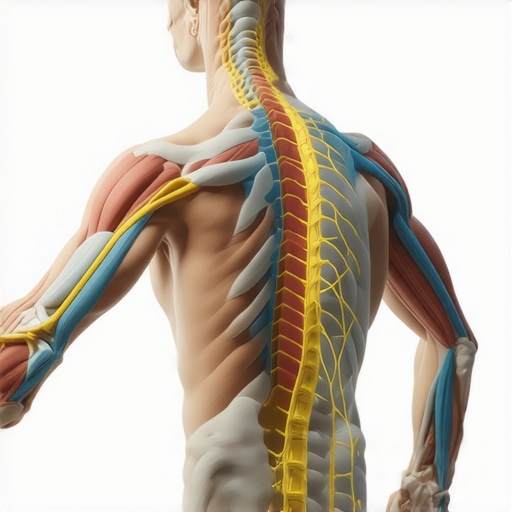
Recognizing these advanced concepts can be transformative. It’s essential to have a tailored plan that targets neuromuscular control, addresses psychological barriers, and respects the body’s healing timeline. If you’ve ever fallen into the trap of believing pain is purely tissue damage or that rest is always the answer, you’re not alone. Let me know in the comments—have you ever been misled by common back pain myths? Exploring these hidden nuances can guide you toward smarter, more effective recovery strategies, so don’t hesitate to seek professional guidance when needed.Maintaining your back and neck health over time requires more than quick fixes; it demands reliable tools and consistent habits. I personally rely on a combination of targeted equipment and trusted routines that have proven effective in my journey toward sustainable mobility. One critical tool I incorporate is an ergonomic foam roller with a textured surface, which I use daily to release my thoracic and lumbar tension—this simple device helps me prevent stiffness and keeps my muscles responsive. Additionally, I swear by a resistance band set for active mobility drills, allowing me to safely strengthen stabilizing muscles without risking overstrain, especially after long periods of sitting.
For software support, I utilize biofeedback apps that guide me through breathing and mindfulness exercises. These digital tools are invaluable for managing stress-induced tension, a common culprit in neck pain and sciatica flare-ups. I find that consistent practice with these apps enhances my neural control, which studies suggest is essential for long-term pain management (see: [National Institute of Neurological Disorders and Stroke](https://www.ninds.nih.gov/health-information/news-events/news/why-some-back-pain-comes-back)).
Looking ahead, I predict that integration of smart wearable technology—like posture sensors that provide real-time feedback—will become a standard part of maintaining spinal health. These devices can alert you when you’re slipping into poor alignment during daily activities or work, helping you correct habits before they lead to pain.
So, how do I maintain my mobility and prevent setbacks over the years? The key has been consistency and choosing the right tools that fit into my daily routine. Switching from passive stretches to active stabilization exercises, combined with smart tech reminders, has radically improved my outcomes.
If you’re serious about keeping your back and neck issues at bay, I highly recommend trying out a foam roller with textured surface for myofascial release, or using resistance bands for functional strength. Combining these with digital mindfulness apps can make a real difference. Remember, long-term results depend on your commitment to these tools and habits.
For more in-depth strategies, check out [back pain breakthroughs](https://bodyrenewtherapy.com/back-pain-breakthroughs-navigating-your-path-to-restored-mobility). If you’re curious about adopting innovative tech solutions, explore [unlocking mobility expert tips](https://bodyrenewtherapy.com/unlocking-mobility-expert-tips-on-managing-back-pain-in-2025). To get personalized guidance tailored to your needs, don’t hesitate to [reach out](https://bodyrenewtherapy.com/contact-us).
The Hardest Lesson I Learned About Back Pain and Mobility
One of my most profound realizations was that a perfect core isn’t always enough; sometimes, pushing harder only exacerbates the problem. Recognizing that stability isn’t just about strength but about activation timing and neural control was a game-changer for me.
How I Discovered the Power of Mindful Movement
Slow, controlled exercises like diaphragmatic breathing and gentle pelvic tilts revealed how crucial neural engagement is for pain relief. These subtle practices helped me rebuild trust in my body and regained functional confidence I thought I had lost.
The Critical Role of Hip Mobility in Back Health
Neglecting hip flexibility was a mistake I paid dearly for. Opening up my hips with targeted stretches and mobility drills greatly reduced lumbar strain, highlighting the importance of a holistic approach that includes joint health.
Why Ignoring Pain Can Lead to Longer Recovery
Ignoring early signals of discomfort delayed my progress and turned manageable issues into chronic struggles. Listening to my body and addressing small setbacks promptly proved essential for long-lasting relief.
The Unexpected Benefits of Neuromuscular Re-education
After incorporating movement re-patterning exercises, I noticed not just less pain but improved posture, balance, and confidence. This experience underscored that recovery is as much about restoring function as reducing symptoms.