
How to Use a Tennis Ball to Self-Massage Hard-to-Reach Back Knots

I remember the exact moment I realized I was crippled by a stubborn knot in my back. Sitting at my desk, I reached behind to stretch and instead winced at a sudden, sharp twinge—like a tiny lightning bolt snarled in my muscles. No matter how many stretches or massages I tried, that deep ache refused to budge. Frustration turned into curiosity when I stumbled upon a simple trick involving a tennis ball, and honestly, it’s been a game-changer. Today, I want to share how this humble tool transformed my approach to relieving those hard-to-reach knots in my back, and how it can do the same for you.
How a Tennis Ball Became My Self-Massage Hero
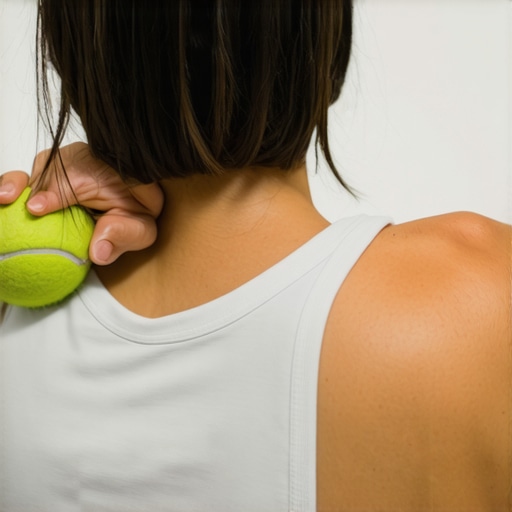
One day, after battling persistent back tension for weeks, I decided to experiment with something I always carry—my tennis ball. I had read somewhere that such a small, squeaky ball could be a powerful self-massage tool if used correctly. I positioned myself against the wall, placed the tennis ball on my back where the pain was concentrated, and gently pressed into it. The sensation was oddly satisfying, like a mini deep-tissue massage at my own pace. The relief was immediate, and I found that regular sessions helped my muscles loosen up and stay that way longer. That moment sparked my ongoing journey into DIY back care, discovering that a tennis ball could reach those so-called “hard-to-reach” spots no foam roller or massage gun could crack.
Now, I’m here to tell you that addressing back knots isn’t about expensive therapies or complex equipment. It’s about understanding your body and giving it simple, effective tools—like a tennis ball—that you probably already have at home. If you’ve ever felt that little stubborn knot won’t let you move freely or sleep soundly, you’re not alone. Many of us undervalue the power of small, accessible solutions that can make a huge difference. So, if you’re tired of creeping pain and want a quick relief routine, stick around—I promise you, by the end of this, you’ll have a new, practical way to melt those knots away.
Will a Tennis Ball Really Help My Back?
Let me clear something up—I made the mistake early on of pressing too hard and not respecting my body’s signals. That only increased pain and frustration. That’s why I emphasize gentle pressure and proper positioning. Scientific studies confirm that self-massage techniques, when done correctly, can significantly reduce muscle tension and improve mobility (source: Boost Your Back Mobility). In the next section, I’ll guide you through how to use that tennis ball safely and effectively, sidestepping common mistakes and making this a routine you look forward to. Ready? Let’s get those knots out of your way so you can move with more ease.
Find the Sweet Spot for Your Tennis Ball
Begin by identifying where the tension is strongest—often a few inches to the side of your spine or in the lower back. Lie against a wall and place the tennis ball on that spot. Imagine trying to anchor a stubborn sail; you need to find the exact point that resists your gentle pressure. I recall one evening when I was home after a long day; I noticed a particularly stubborn knot near my right hip. I rested the tennis ball there, adjusting until I felt a pinpoint of discomfort. This precise positioning allowed me to apply controlled pressure directly to the cause of my discomfort, yielding immediate relief.
Apply Gentle, Controlled Pressure for Effective Release
Think of pressing into the knot as kneading dough—gentle yet firm enough to make a difference. Use your body weight by leaning into the tennis ball slowly, holding pressure for about 20-30 seconds before slowly rolling to the next spot. Avoid pressing aggressively; this can trigger more pain or even bruising. I remember trying to push too hard once, which backfired, causing more soreness. Instead, I eased into it, like gradually turning a volume knob, and noticed my muscles loosening up after a few sessions. With regular practice, this technique helps diminish the stubborn tension that often causes chronic pain.
Utilize Precise Movements to Target Hidden Tension
Think of your muscles as a tangled ball of yarn—some knots hide beneath others. To address these, use slow, deliberate movements: press into the knot, hold, then gently shift the tennis ball to cover adjacent areas. Imagine trying to untangle a knot by slowly working your way around it; be patient and methodical. During my own session, I moved the ball incrementally, exploring surrounding muscles. This systematic approach helps release deeper layers of tension, preventing residual pain from lingering and promoting better mobility.
Incorporate Breathing to Enhance Relaxation
Deep breathing acts like a reset button—calming your nervous system and intensifying the massage’s effectiveness. As you apply pressure, inhale slowly through your nose, then exhale through your mouth, focusing on relaxing your muscles. I often synchronized my breathing with my pressure application, which made the session more soothing and effective. This mind-body connection helps in preventing reflexive muscle tightening, ensuring you get maximum benefit from each self-massage.
Establish a Routine for Sustained Relief
Consistency is key—think of this as watering a plant regularly. Dedicate 5-10 minutes daily or every other day to perform this targeted massage. Over time, you’ll notice increased flexibility and reduced pain frequency. During a particularly hectic week, I set an alarm as a reminder, ensuring I didn’t skip my sessions. This habitual practice turned a reactive pain relief method into a proactive lifestyle habit, gradually easing my chronic discomfort and enhancing my overall mobility.
Pay Attention to Your Body’s Signals
Always listen carefully; if the pressure causes sharp pain, back off immediately. Gentle, sustained pressure is effective, but overstimulation can backfire. Remember, your body communicates with you—respect when it signals enough. During my first few attempts, I learned to differentiate between a healthy feeling of work-in-progress and sharp pain. This awareness guided me to adjust pressure and avoid aggravating the knot.
Use a Well-Positioned Mirror for Better Technique
Having a mirror nearby helps ensure correct positioning and pressure application. Visual cues can reveal whether you’re leaning into the ball at the right angle and whether your body mechanics are aligned. I placed a mirror across from me during my routines, which enhanced my control and comfort. Accurate positioning reduces unnecessary strain and maximizes the beneficial effects of your self-massage sessions.
 Many individuals believe that stretching or strengthening exercises alone will resolve chronic back, neck, or sciatica issues. While these are essential, they often overlook the deeper, more nuanced factors that influence persistent pain. For example, a common myth is that increased flexibility always equates to better mobility. In reality, excessive stretching without proper stabilization can destabilize a joint or muscle group, making pain worse over time. Research from the National Institute of Health highlights that muscle imbalances—not just tightness—are frequently at the root of long-term discomfort, emphasizing the need for targeted corrective exercises rather than generic stretching routines.
Furthermore, a significant mistake many make is neglecting posture habits that subtly reinforce pain cycles. Slouching or poor ergonomics may seem minor, but they can lead to maladaptive motor patterns that exacerbate nerve compression or joint wear. For instance, sitting for extended periods with a forward head position stresses the cervical spine and can contribute to chronic neck pain as explained in proven neck pain techniques.
One of the less obvious pitfalls involves misunderstanding the role of spinal mobility versus stability. Many practitioners recommend always increasing joint mobility, but neglecting to develop the core stability that supports these movements can lead to joint hypermobility and injury. Think of it as adjusting a camera lens: without a stable base, the picture becomes blurry and unstable. Strengthening deep core muscles, rather than superficial ones alone, is crucial here, as outlined in mobility mastery tips.
Another nuance many miss is the impact of neuroplasticity on pain perception. Chronic pain isn’t just a physical issue—it’s also rooted in the nervous system’s maladaptive wiring. This means that even after structural issues resolve, pain can persist due to changes in how the brain processes signals. Techniques like mindful movement and neural re-education can help retrain the nervous system, an area I’ve explored extensively on my blog.
As you can see, addressing back and neck pain is a complex puzzle with many interconnected pieces. Focusing solely on physical stretches or ignoring ergonomic habits leaves significant gaps in treatment. If you’re serious about lasting relief, consider a holistic approach that includes posture correction, core stabilization, and neuroplasticity techniques. For deeper insights, check out restored mobility strategies to learn more about these advanced concepts. Remember, understanding these nuances can make all the difference in turning pain into lasting freedom.
Have you ever fallen into this trap? Let me know in the comments!Maintaining your mobility and preventing chronic pain require more than just occasional stretches or massages; it involves using the right tools consistently and adopting effective maintenance routines. Personally, I’ve found that investing in high-quality foam rollers, such as the TriggerPoint GRID Foam Roller, makes a significant difference in my daily recovery. These rollers are durable and offer targeted pressure that helps break up muscle adhesions without causing additional strain. I regularly use the foam roller after workouts or long days at my desk to keep my muscles supple and prevent knots from forming, which aligns with recommendations in mobility research accessible through Boost Your Back Mobility.
Over time, I realized that relief from back pain isn’t just about quick fixes—it’s about understanding the nuanced dance of muscle balance, posture, and nervous system reprogramming. One of the most profound lessons I learned is that patience and consistency build resilience, and small daily actions compound into lasting change. I also discovered that pushing through discomfort without respecting signals can deepen pain—listening to my body became my greatest teacher. Embracing a holistic approach, blending self-massage with mindful movement and lifestyle adjustments, truly transformed my journey from frustration to freedom. These insights are my gift to you: genuine, experience-backed wisdom that goes beyond surface solutions and dives into lasting healing.