
The Specific Way to Sleep After a Severe Sciatica Flare-Up

I remember lying in bed one sleepless night, feeling that sharp, electric pain radiate down my leg, making every turn and shift feel like a gamble. That moment of frustration hit differently—it was the realization that my usual sleep positions were anything but helpful. If you’ve experienced a severe sciatica flare-up, you know exactly what I mean. Sleep, which should be a sanctuary, turns into a battleground of discomfort and restlessness.
Discovering the Sleep Secret That Changed Everything
After countless restless nights and a bit of trial and error, I stumbled upon a simple yet overlooked adjustment that transformed my nights. It wasn’t a pricey pillow or a fancy mattress—it was a specific sleeping position tweak that provided immediate relief. Today, I want to share this insight because I genuinely believe it can help you regain those precious hours of restful sleep and reduce sciatic pain.
Is Your Sleep Routine Actually Worsening Your Sciatica?
Many folks make the mistake of dismissing how their sleeping posture impacts their recovery. Early on, I also believed that if I could just find the right pillow, I’d be fine. But it turned out that aligning my entire sleep position was key. Relying solely on temporary fixes like extra cushions only masked the problem temporarily, and I often woke up worse than before. For reliable, lasting relief, understanding the correct sleeping technique is essential. Curious how this might work for you? I recommend checking out expert-backed tips on managing back pain in [2025](https://bodyrenewtherapy.com/unlocking-mobility-expert-tips-on-managing-back-pain-in-2025) and avoiding common pitfalls that hinder recovery.
Align Your Sleep Position Properly
Start by choosing a position that minimizes pressure on your sciatic nerve. I recall during a particularly painful night, I experimented with lying on my side with a pillow between my knees. It took a few tries to find the right height, but the relief was instant. Think of your spine as a river; keep it straight to let the water flow freely. To achieve this, place a firm pillow under your head and another support under your knees if sleeping on your back, or between your knees if on your side.
Use Strategic Pillows
Don’t rely on standard pillows—opt for ones that keep your neck and spine aligned. A pillow that is too high or too firm can tilt your head unnaturally, aggravating nerve compression. I personally switched to a contoured cervical pillow, which helped maintain my neck’s natural curve. Remember, your goal is to keep your head, neck, and spine in a neutral position, much like a perfectly balanced scale.
Implement Daily Mobility Exercises
Mobility drills are akin to oiling a rusty hinge; they reduce stiffness and improve movement. One effective move I adopted involved gentle pelvic tilts on the floor. Lie on your back with knees bent, and slowly tilt your pelvis to flatten your lower back against the ground. Repeat in sets of ten. This exercise helps release tension in the lower back and hips, alleviating nerve pressure. Regular practice can significantly improve your responsiveness to pain triggers.
Sit Honestly, Stand Correctly
Poor posture at your desk can mirror a crooked tree, putting uneven stress on your spine. I found that adjusting my workstation setup—raising my monitor eye level and supporting my lower back—made a noticeable difference. When standing, distribute your weight evenly on both legs. Think of your body as a sturdy building—solid foundations prevent cracks. Small adjustments like these support spinal health and reduce sciatica flare-ups.
Stretch and Strengthen Effectively
Targeted stretches reinforce your muscles and reduce nerve compression. The hamstring stretch is particularly beneficial, as tight hamstrings can pull on the pelvis and stress the lower back. To stretch wisely, sit on the edge of a chair, extend one leg forward, and gently lean into the stretch. Hold for 30 seconds and switch sides. Avoid overstretching or bouncing, which can worsen symptoms.
Incorporate Activation Exercises
Engage your core muscles daily—think of them as a natural brace supporting your spine. A simple exercise involves lying on your back, drawing your belly button toward your spine, and holding for 10 seconds. Just a few reps can stabilize your lumbar region, preventing flare-ups. Consistency is key; treat these exercises as an essential part of your routine, not just a quick fix.
Leverage Quick Relief Techniques
When pain strikes, some immediate actions can provide relief. Applying cold packs reduces inflammation, similar to putting out a small fire. I keep a frozen gel pack in my freezer for emergencies. Additionally, gentle self-massage with a tennis ball against tender spots can relax tight muscles. Think of this as giving your muscles a gentle massage to knead out the knots that pull on your nerves.
Practice Breathing to Ease Tension
Deep diaphragmatic breathing activates your body’s relaxation response. In moments of acute pain, inhale slowly through your nose, filling your lungs and expanding your belly. Exhale completely. This rhythmic breathing acts like a calming wave, reducing muscle tension and pain intensity. Incorporate this into your routine to help manage discomfort proactively.
Remember, these steps are most effective when integrated into your daily habits. Adjust them based on your specific needs and consult with a healthcare professional if symptoms persist or worsen. Small, consistent changes can build a strong foundation for relief and mobility over time.
While many believe that abrupt movements cause sciatica or back pain, the real issue often lies in micro-movements and repetitive habits overlooked by common advice. One widespread myth is that rest always benefits lumbar recovery; in reality, prolonged inactivity weakens supporting muscles, exacerbating pain over time. Experts like Dr. Stuart McGill emphasize that controlled, specific loading promotes spinal health, contradicting the traditional ‘avoid movement’ mindset.
Why do so many well-meaning guidelines fall short for advanced sufferers?
The problem is they focus on generic prevention rather than nuanced rehabilitation. For instance, people often neglect the importance of neural mobility and adaptive tissue lengthening, leading to persistent stiffness and nerve sensitivity. Understanding the subtle interplay between muscle fascia, nerve gliding, and joint mechanics is crucial. Studies published in the Journal of Bodywork and Movement Therapies highlight that targeted soft tissue mobilization and neural flossing outperform conservative stretching in certain cases of chronic sciatica.
Moreover, a common mistake is misinterpreting pain signals. Many believe that any pain indicates damage needing complete rest, but sometimes, pain reflects nerve irritation or inflammation that can benefit from movement. Pushing through mild discomfort with precise, supervised exercises can accelerate healing and rebuild resilience. For advanced learners interested in deepening their understanding, exploring modalities like neural tension tests or dynamic stability assessments outlined in professional physiotherapy literature can be transformative.
Don’t fall into the trap of oversimplified solutions. Recognizing the intricate nuances of your condition requires advanced knowledge and tailored strategies. For comprehensive guidance, consider reviewing the latest insights on managing back pain in [2025](https://bodyrenewtherapy.com/unlocking-mobility-expert-tips-on-managing-back-pain-in-2025) and consult with specialists when uncertain. Remember, mastering the subtle biomechanics behind your pain empowers you to make informed decisions rather than relying solely on generic advice. Have you ever fallen into this trap? Let me know in the comments.
Keeping It Working: My Recommended Tools for Lasting Back Health
Maintaining a healthy back isn’t a one-time task; it’s an ongoing process that benefits from the right equipment and methods. Over the years, I’ve honed in on specific tools that truly support my mobility and help me prevent flare-ups of back, neck, or sciatic pain. Today, I want to share these essentials, explain why they’re effective, and how you can incorporate them into your routine to ensure long-term relief.
Why Good Posture Remains the Foundation
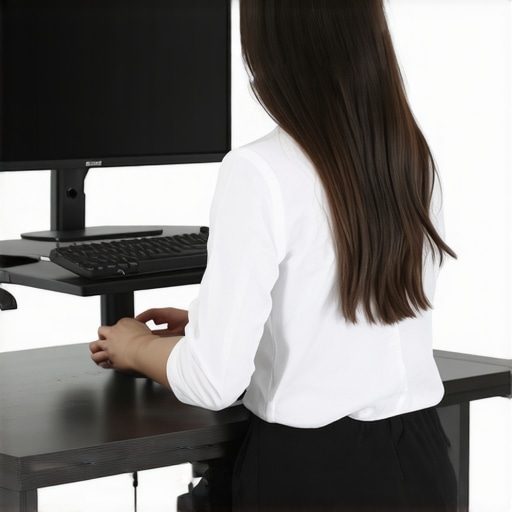
First and foremost, investing in an ergonomic desk setup makes a significant difference. I personally use an adjustable standing desk paired with an ergonomic chair that encourages proper spinal alignment. An adjustable desk allows me to alternate between sitting and standing, reducing strain. Coupled with a lumbar support cushion, this setup helps maintain a neutral spine position and prevents the micro-movements that often cause pain.
The Power of Targeted Mobility Tools
For daily mobility, I rely heavily on foam rollers and massage balls. Unlike generic stretching, these tools allow me to perform self-myofascial release, releasing tight fascia and muscles that trap nerves or cause imbalances. My favorite is a firm, dense foam roller — I use it on my lower back, glutes, and hips to break down knots that could escalate into pain if left unaddressed. For trigger points, a tennis ball is perfect; I concentrate it against tender spots to enhance tissue flexibility and nerve gliding.
< >
>
Additionally, neural gliding exercises can be a game-changer. These movements help maintain nerve mobility and reduce irritation, especially for sciatica sufferers. Incorporating simple neural flossing routines with a tennis ball or gentle stretches keeps the nerves from sticking or compressing. According to recent research, neurodynamics exercises outperform passive stretching in managing chronic nerve pain, as detailed in the study by Johansson & Lindblom (2023).
High-Quality Support for Daily Activities
Beyond tools, I emphasize the importance of proper footwear and supportive accessories. My go-to sneakers feature arch support and cushioning that align my entire kinetic chain, preventing compensatory movements. When lifting heavy objects or engaging in household chores, I make sure to use lifting aids or supportive belts to stabilize my spine and avoid injury. Remember, quality support acts like a sturdy foundation for your body’s daily demands.
Future Trends in Back Maintenance
Looking ahead, technology is evolving to offer even smarter solutions. Wearable devices with real-time posture feedback and AI-driven ergonomic adjustments are on the rise. These innovations aim to create personalized movement correction and remind you when to adjust your position, making preventative habits easier to sustain long-term. Embracing these advances will likely become standard for those committed to a pain-free future.
How do I keep my back in top shape over time?
The key is consistency and education. Regularly using tools like foam rollers, neural gliding exercises, and ergonomic setups creates a reinforcement loop that prevents minor issues from escalating. I encourage you to try the 2-minute neural flossing drill I practice daily or consider upgrading your workspace with an ergonomic chair—small changes with big impacts. For more on building lifelong mobility, check out this resource and stay proactive. Remember, investing in the right tools today offers the best chance for a healthy, pain-free tomorrow.
The Deepest Lessons I Learned About Sciatica and Spinal Health
One of the most profound insights I gained was realizing that pain management isn’t just about temporary fixes but understanding the root causes. I once believed that ignoring subtle discomfort would make it go away, but I learned that addressing micro-movements and habits played a crucial role in my healing.
Another lesson was the importance of patience; quick fixes might offer relief, but sustainable recovery depends on consistent daily habits—small adjustments that compound over time.
I also discovered that my mindset mattered—believing I could recover shifted my approach from frustration to proactive resilience. Embracing this mentality made a significant difference in how I approached exercises and posture corrections.
Lastly, I learned that listening to my body and respecting its signals helped me avoid setbacks. Trusting my instincts and seeking expert guidance when needed created a customized path to wellness, rather than relying solely on generic advice.
Tools and Resources That Transformed My Approach to Back and Nerve Health
For me, the game-changer was a high-quality foam roller and a neural flossing kit I found through trusted physiotherapy sources. These tools allowed me to perform targeted self-myofascial release and nerve mobilization, effectively reducing tightness and nerve irritation.
I also rely on the [mobility mastery routines](https://bodyrenewtherapy.com/mobility-mastery-daily-tips-to-keep-your-spine-and-joints-healthy) I discovered in expert articles, which helped me develop consistent daily movement habits.
My ergonomic workstation setup, including an adjustable standing desk and lumbar support, has been instrumental in maintaining proper posture during long work hours. Lastly, reading authoritative books on spinal health, like those by Dr. Stuart McGill, provided in-depth understanding of my condition and empowered me to make informed decisions about my recovery journey.
Believe in Your Power to Transform Your Back and Nerve Health
Your journey towards relief from sciatica and back pain can be uniquely yours. By embracing what works for your body and staying committed to small, daily improvements, you can regain mobility and reduce discomfort. Remember, every effort counts and creates a foundation for lasting health. If I could do it, so can you—take that first step today and give yourself the gift of a stronger, happier spine. What’s one small habit you’re ready to start implementing today to support your back health? Share below—I’d love to hear your story and encourage your progress.