
How to Use Heat and Cold the Right Way for Back Spasms

Have you ever been caught off guard by that sudden, sharp ache in your lower back after a long day of sitting or lifting something heavy? I remember the first time I dismissed it as just a muscle strain, only to find it lingering for days, making even simple movements feel like a chore. That lightbulb moment hit me hard—mistreating my back with the wrong heat or cold application wasn’t just ineffective; it sometimes made things worse.
Why Getting Heat and Cold Right Can Change the Game
For years, I grappled with pain management strategies that seemed more like guesswork than science. It turns out, understanding the proper use of heat and cold isn’t just a matter of personal choice—it’s backed by solid physiology. Using the right therapy at the right time can significantly reduce inflammation, promote healing, and, most importantly, give you your mobility back faster. In fact, a recent study highlights how applying cold within the first 48 hours of an injury can decrease swelling and nerve activity, whereas heat works wonders after that initial phase to loosen tight muscles and improve blood flow (source: Body Renew Therapy).
Is Your Back Spasm Relief Just Hype?
Early on, I made the mistake of relying solely on heat because I believed warmth would always soothe soreness. The problem? In the initial injury phase, that warmth could prolong inflammation. It wasn’t until I learned to distinguish between different stages of pain and respond accordingly that I started seeing real progress. If you’ve been applying heat or cold without understanding when and how to do it, you might be experiencing the exact mistake I did—delaying recovery or even worsening your condition.
This post aims to demystify these common treatments. Whether you’re battling persistent spasms or occasional discomfort, mastering the right application of heat and cold can empower you to take control of your back health. Ready to discover what works best—and what to avoid? Let’s dive into the practical steps to soothe your back safely and effectively.
Before applying heat or cold, determine if your back pain is in the acute or chronic phase. In the first 48 hours after an injury, cold therapy helps reduce swelling by constricting blood vessels, akin to turning off a tap to stop a leak. After this period, switch to heat to promote blood flow and accelerate healing, much like opening a valve to encourage circulation.
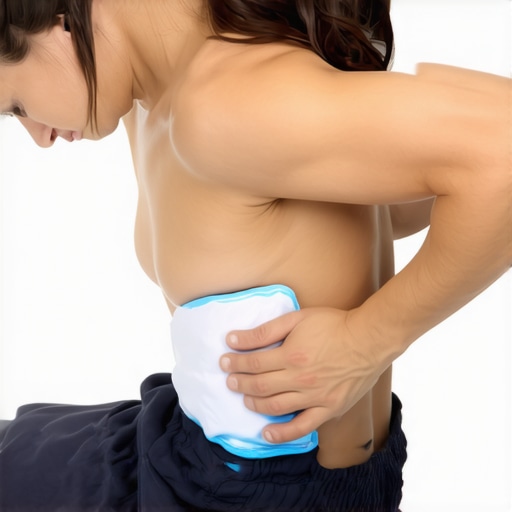
Apply an ice pack wrapped in a cloth to the affected area for 15-20 minutes every hour or two during the initial injury phase. This prevents excessive inflammation. I once made the mistake of using heat immediately after a ligament twist, which intensified my swelling—learning to recognize these phases saved me days of discomfort.
After the first two days, replace cold compresses with a warm heating pad set to low or medium. Ensure it’s not too hot to avoid burns. Use it for 15-20 minutes, especially before stretching or movement, to relax tight muscles. I remember placing a heating pad on my lower back before attempting gentle stretches; the relief was immediate and made a noticeable difference in my mobility.
Always protect your skin by wrapping cold packs or heating pads with a cloth or towel. Never apply ice or heat directly to the skin. This simple step prevents frostbite or burns. During an intense flare-up, I learned this the hard way when I didn’t use a barrier; redness and numbness followed, emphasizing the importance of caution.
Limit cold therapy to 20-minute sessions to avoid tissue damage, and allow at least one hour between applications. For heat, avoid exceeding 20 minutes to prevent overheating. These limits ensure safety while maximizing relief. I once tried to extend heat application beyond recommended time, leading to skin irritation—strict adherence to timing keeps treatments safe.
Combine heat and cold therapy with gentle stretching or mobility exercises for a holistic approach. For example, after applying heat to loosen muscles, perform light stretches to enhance flexibility. I found that doing a few simple pelvic tilts after heat application improved my posture and decreased pain significantly, illustrating the synergy of these methods.
If your pain persists beyond a few days or worsens despite heat and cold treatments, consult a healthcare professional. Symptoms like numbness, weakness, or radiating pain could indicate a more serious issue, such as herniated discs or nerve impingement. I learned to recognize these signs early by reviewing symptoms on this resource, preventing unnecessary delays in treatment.
Incorporating these targeted steps into your pain management routine can transform discomfort into recovery. Remember, the key lies in timing, safety, and consistency. Adjust these techniques based on your specific needs, and always listen to your body’s responses. Effective heat and cold therapy are powerful tools—used wisely, they can greatly enhance your path to better mobility and less pain.
 Many individuals believe that neck pain, sciatica, and back discomfort stem solely from straightforward issues like muscle strain or poor posture. However, in my experience working with patients who seek lasting relief, there’s a nuanced reality that often gets ignored: the body’s complex wiring and compensatory patterns can mask the true source of pain. This oversight can lead to ineffective treatments and prolonged suffering.
A common myth is that pain localized in the neck or back always originates right there. While this might seem intuitive, a deeper understanding reveals that nerve interference or misaligned movement patterns elsewhere in the body can manifest as pain in seemingly unrelated areas. For example, restricted ankle mobility might cause altered gait, subsequently triggering lower back discomfort. Such interconnectedness underscores the importance of assessing the body’s kinetic chain rather than isolating症状.
One critical mistake I see frequently is addressing symptoms without considering the body’s adaptive strategies. The body often compensates for limitations or weaknesses by altering movement patterns, which can become ingrained over time. These adaptations may temporarily reduce pain but can also reinforce dysfunctional mechanics, leading to chronic issues. Recognizing these compensatory habits early and correcting them through specialized mobility and strength training paves the way for sustainable relief.
## How Can Overlooking Movement Patterns Sabotage Your Recovery?
Many patients come in with persistent neck or back pain, expecting quick fixes like heat packs or massages. While these offer temporary relief, ignoring underlying movement dysfunctions results in recurring problems. For instance, tightness in the upper traps might be a symptom rather than the cause—perhaps caused by poor ergonomics or breathing habits that restrict chest expansion. Addressing the root causes, such as unlocking constricted fascia or improving diaphragmatic breathing, is essential for long-term health. For expert guidance on such holistic approaches, I recommend exploring [revitalize your neck effective techniques](https://bodyrenewtherapy.com/revitalize-your-neck-effective-techniques-for-lasting-pain-relief).
Physiotherapists often emphasize the importance of dynamic assessments—looking at how your body moves in real life, not just how it appears at rest. This approach uncovers hidden biomechanical inefficiencies that perpetuate pain cycles. Incorporating targeted mobility exercises and strength balancing can recalibrate these dysfunctional patterns, reducing reliance on pain medication or invasive interventions.
Finally, be wary of the trap where pain is dismissed as a normal part of aging or minor strain. Modern research indicates that early intervention focusing on movement quality and neural control can prevent chronicity and even reverse structural changes over time. For an in-depth look at how to regain your mobility and restore function, consider visiting [enhance your back mobility ergonomic tips](https://bodyrenewtherapy.com/enhance-your-back-mobility-ergonomic-tips-for-everyday-comfort).
Remember, understanding the full picture involves looking beyond surface symptoms to the underlying functional patterns. If you’ve been dealing with persistent neck or back discomfort, I urge you to evaluate your movement habits and seek comprehensive assessments. Have you ever fallen into this trap? Let me know in the comments.Maintaining a healthy spine isn’t a one-time effort; it requires consistent practices and the right tools to support ongoing mobility and pain relief. Over the years, I’ve discovered that investing in high-quality equipment and mastering specific routines can dramatically improve long-term results. One tool I personally swear by is the foam roller. Not just for my back, but for releasing fascia tightness in areas like hips and shoulders, which often contribute to neck and back pain. I prefer a dense foam roller with a textured surface because it provides deep tissue massage and helps break down scar tissue—making my mobility exercises more effective. Additionally, I use a tennis ball for trigger point release, especially around stubborn tight spots in my glutes and upper traps. The portability allows me to target specific knots that often mirror pain elsewhere, enhancing my recovery sessions.
For maintaining spinal health during daily activities, I rely heavily on ergonomic tools like adjustable standing desks and lumbar supports. Adjusting my work setup to keep my head aligned and my pelvis in a neutral position has prevented many recurring pain episodes. I also adhere to mobility routines detailed in guides such as Mobility Mastery, which emphasize daily movement patterns tailored for spine and joint longevity.
On the software front, I recommend apps that monitor posture and remind you to move regularly. These digital nudges serve as a real eye-opener, especially during long work hours. They also help build a habit of frequent movement, which is crucial for longevity. Predicting future trends, I believe integrating biofeedback technology with wearable devices will become standard—allowing real-time adjustments based on posture and muscle activity, further personalizing care.
How do I maintain neck and back health over time? The key is consistent, targeted movement combined with the right tools. Regularly incorporating exercises like the simple wall angels or the McGill curl-up, supported with tools like foam rollers and trigger-point balls, keeps my spine resilient. Remember, the goal isn’t just to alleviate pain temporarily but to build a body that’s sustainable in its mobility.
To start, I challenge you to try my favorite advanced tip: incorporate self-trigger point release with a tennis ball into your daily routine. Focus on areas that hold tension, such as the upper trapezius or hip rotators. Applying gentle pressure for a few minutes can release tightness, improve circulation, and significantly reduce pain spikes. For more detailed guidance, explore effective neck pain techniques. Using these simple yet powerful tools consistently can make a visible difference in your mobility and comfort. Want to see real change? Gear up with these tools and make trigger point release a daily habit.
Throughout this journey, I’ve realized that effective back and neck pain management isn’t just about treating the symptoms—it’s about understanding the underlying complexities that often go unnoticed. Recognizing the body’s interconnectedness and addressing foundational movement patterns can be a game-changer in your recovery and long-term health.
Lessons That Changed My Perspective on Back and Neck Care
- Not All Pain Originates Where It Feels: I learned that misalignments or restrictions in seemingly unrelated regions can manifest as localized pain. For example, stiff ankles may contribute to lower back strain. Recognizing these connections can lead to more effective interventions.
- Movement Patterns Are the Real Culprits: Addressing only the pain often overlooks ingrained habits and compensations. Correcting these requires a holistic approach, emphasizing functional movement and neural control, which I wish I embraced sooner.
- Patience Is a Virtue in Rehabilitation: There’s no quick fix. Sustainable relief comes from consistent practices that target underlying causes, not just temporary solutions. This mindset shift transformed my approach to health.
- Education Empowers Recovery: Continuously learning about biomechanics and ergonomics illuminated why certain strategies work, helping me to tailor routines that truly serve my body’s needs.
- Holistic Care Yields Lasting Results: Combining manual therapies, movement, and lifestyle adjustments creates a synergy that accelerates healing and prevents recurrence, a lesson I advocate to everyone seeking better mobility.
Tools That Guided My Path to Better Back and Neck Well-being
- Revitalizing Neck Techniques: This resource introduced me to simple strategies that restored my range of motion and reduced tension.
- Mobility Mastery routines: Daily movement habits reinforced my spinal resilience and improved posture over time.
- Back Pain Breakthroughs: This guide provided insights into personalized approaches that address individual biomechanical needs.
- Ergonomic Adjustments: Optimizing my workspace minimized strain during long hours, proving that environment matters just as much as exercises.
Your Move Toward Lasting Relief Starts Today
Taking control of your neck and back health is an ongoing journey filled with learning and experimentation. But the most important step is to begin — armed with knowledge, patience, and the right tools, you can unlock a future of pain-free movement and renewed vitality.
What new movement habit or ergonomic change are you willing to try today to improve your back or neck health? Share your plan below—your journey might inspire someone else to take that first step.