
How to Use Heat and Ice Correctly for a Stiff Neck
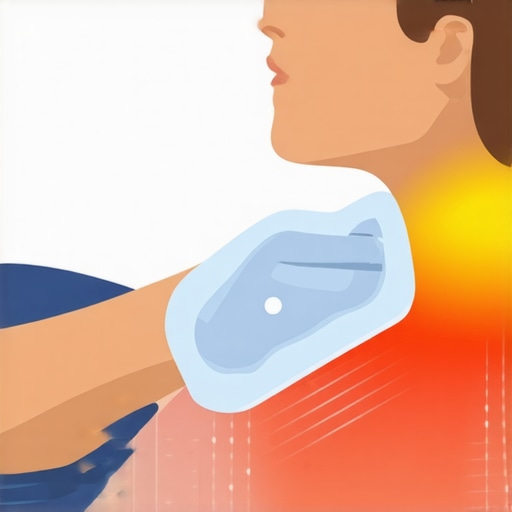
Have you ever woken up with that sudden, stabbing pain in your neck that makes every turn feel like a dagger? I remember the first time I felt that unbearable stiffness after a long day at my desk; I tried the usual stretching, but nothing seemed to work. Frustration set in. That was my lightbulb moment—realizing I needed to approach heat and ice therapy with more understanding and intention.
Why Proper Heat and Ice Usage Matters for Neck Pain
Let me tell you, getting your heat and ice routines right isn’t just about feeling good—it’s about actively fighting inflammation, easing muscle tension, and preventing chronic issues from taking hold. I used to think any warm pack or cold compress would do, but I soon learned that timing, application, and technique make all the difference. Proper use can accelerate recovery, reduce discomfort, and keep you moving, rather than immobilized on the couch.
Is the Heat and Ice hype actually worth the effort?
Trust me, early in my journey, I made the mistake of applying heat when I should have used ice, and vice versa. It seemed harmless at the time, but I learned that misuse can worsen inflammation or prolong discomfort. A good rule of thumb is to use ice during the first 48 hours after a flair-up—when swelling and inflammation are at their peak—and switch to heat after that for soothing muscle relaxation. But understanding the nuances is key, and that’s exactly what I aim to share with you today.
According to recent studies, the strategic application of heat and cold can significantly speed up recovery times and reduce reliance on medications (source). Yet, many people neglect the importance of proper technique, leading to ineffective or even harmful outcomes.
So, if you’re tired of suffering through stiff necks without relief or wasting time on remedies that don’t work, stick around. We’re about to dive into practical, easy-to-follow tips to master heat and ice therapy, helping you regain mobility and comfort sooner than you thought possible. Have you faced that frustrating neck stiffness lately? If so, you’re not alone—and you’re in the right place to turn things around.
Apply Cold First to Reduce Swelling
During my first attempt at relief, I remember dousing a cold pack in ice and holding it firmly on my neck for 15 minutes. Just like sealing a wound, cold reduces blood flow, decreasing swelling and numbness. Use ice immediately after injury or flare-ups, especially within the first 48 hours. Wrap the ice in a thin cloth to prevent frostbite. This step is crucial because swelling acts like a sponge, worsening pain and limiting movement. If you neglect cold therapy early, pain can escalate instead of resolve.
Transition to Heat to Relax Tense Muscles
Once the initial swelling diminishes—usually after a couple of days—switch to heat. Heat improves blood circulation, bringing fresh oxygen and nutrients to the muscle tissue. I used a microwavable heat pack, which I placed gently on my neck for 20 minutes. This method helped loosen tight muscles, making it easier to move and stretch. Remember, heat should never be applied when swelling is still visible, as it can increase inflammation. Think of heat as a gentle massage for your muscles, easing out knots that cause stiffness and discomfort.
Timing and Frequency Make All the Difference
Timing your therapy sessions is critical. In my experience, applying ice for 15-20 minutes every 2 hours during the first two days was effective. After that, switch to heat twice daily. Overdoing either can backfire—excess cold might numb too much, and too much heat can make swelling worse. Use a timer and never leave the pack on for more than 20 minutes to avoid skin damage. Keep a log to track what works best for your pain levels.
Use Proper Technique to Maximize Relief
Applying directly on skin isn’t recommended; always place a cloth barrier to protect your skin. When using ice, ensure it covers the entire painful area, adjusting the pack as needed. For heat, ensure the pack is warm but not scalding—test it on your forearm first. I learned this the hard way when I left a heat pack on too long and got a burn. Consistent, proper application enhances effectiveness and keeps you safe, reducing the risk of further injury.
Combine with Gentle Movement and Posture Checks
Heat and cold are powerful tools, but they work best when integrated with movement. After applying heat and relaxing muscles, do gentle neck stretches—like slow tilts or rotations—to promote mobility. Keep an eye on your posture; slouching worsens strain. Regularly check out tips to break neck pain cycles and learn ergonomic adjustments. This combined approach prevents flare-ups and fosters long-term relief.
Remember the Common Pitfalls
Avoid applying heat immediately after injury or while swelling persists—this can intensify inflammation. Similarly, never sleep with a cold or hot pack, as prolonged contact can damage your skin. Stay consistent and attentive to your body’s signals. Once you master these steps, managing neck pain becomes a straightforward process that you can customize based on your needs.
Even experienced back and neck pain sufferers often fall prey to oversimplified beliefs that hinder real recovery. Many assume that pain is always a straightforward sign of injury needing rest, but in reality, chronic issues like sciatica often stem from subtle postural patterns and neglected muscle imbalances. For instance, a common misconception is that pain automatically requires complete immobilization—yet, appropriate movement, guided by an expert, can accelerate healing significantly. Moreover, beginners typically underestimate how crucial proper ergonomic setups are; simply adjusting your chair height or keyboard position can prevent years of discomfort. An advanced mistake many overlook is ignoring the role of **neuro-musculoskeletal feedback loops**, where tension and pain perpetuate each other in complex ways. According to a study published in the Journal of Orthopaedic & Sports Physical Therapy, abnormal movement patterns and muscle activation deficits contribute more to chronic neck and back pain than isolated injury (source).
Another trap involves misinterpreting symptoms—many think that all persistent pain indicates worsening injury, which can lead to unnecessary immobilization or even reliance on medication. Instead, understanding that pain can be a complex neurological response—sometimes unrelated to tissue damage—is essential for effective management. This is especially critical when dealing with sciatica, where nerve sensitivity can lead to exaggerated pain signals. Instead of passive rest, incorporating targeted movement strategies, as outlined in lifestyle modifications, helps break this cycle.
For advanced readers pondering the nuances, consider how **central sensitization** amplifies pain perception, blurring the line between injury and dysfunction. Addressing this requires comprehensive approaches like neuroplasticity exercises and stress management, not just local treatments. Recognizing these subtleties ensures that your recovery plan is both safe and effective, avoiding common pitfalls that stall progress.
Have you ever fallen into this trap? Let me know in the comments. Remember, the path to lasting relief involves acknowledging what most overlook—be it posture habits, movement patterns, or neurological factors. By refining our understanding, we can preempt many chronic pain issues before they become entrenched.
Maintaining your progress in battling back pain, neck discomfort, and sciatic issues requires more than just sporadic exercises or treatments. Having reliable tools and routines in place can make a significant difference in the long run. I personally swear by a combination of high-quality equipment and targeted methods that keep my mobility intact and prevent setbacks.
Investing in the Right Equipment for Consistency
One of my top recommendations is a versatile foam roller, like the Grid Foam Roller. Unlike cheaper alternatives, I prefer this model because it offers varying densities, allowing me to target different muscle groups effectively. Regular foam rolling helps break up adhesions in my fascia and keeps my muscles pliable, which is crucial for preventing stiffness. I also use a percussive massage gun—the Hyperice Hypervolt—to relieve deep muscle tension after long workdays. This device complements my stretching and improves my recovery pace.
The Secrets Behind Effective Self-Assessment Tools
Knowing the state of your mobility is vital for long-term maintenance. I incorporate a simple InBody scale that not only measures weight but also body composition and hydration levels. By monitoring these variables, I can detect early signs of inflammation or imbalance, prompting me to adjust my routines accordingly. Additionally, a posture analysis app, such as Upright Posture, guides me in correcting misalignments that could lead to chronic issues. Regular self-assessment prevents minor setbacks from escalating.
Embracing Software and Digital Guidance
Technology plays an increasingly vital role in my back and neck care strategy. I rely on a subscription-based app like Neck Pain Solutions that offers tailored routines, educational videos, and progress tracking. These resources keep me motivated, ensure proper technique, and adapt my plan based on my evolving needs. Incorporating such digital tools enables me to stay consistent without needing constant in-person visits.
What Will Be the Future of Back Maintenance Tools
Looking ahead, I predict a rise in wearable devices that integrate AI for real-time posture correction and load management—like smart braces or intelligent sensors embedded in clothing. These innovations will offer proactive feedback, helping us catch harmful habits before they turn into chronic pain. Already, apps that analyze your movement patterns are gaining popularity, and I believe they’ll become even more sophisticated in the next few years.
How Do I Keep It Working Over Time?
Consistency is key. Schedule regular check-ins with your tools—whether it’s weekly foam rolling, daily posture assessments, or monthly progress reviews. Also, don’t hesitate to combine these tools with expert guidance from professionals who can fine-tune your routines. Remember, technology should complement your efforts, not replace the foundational habits.
As a practical challenge, I advise you to pick one new tool or app from this list and commit to using it consistently for a week. Notice how it influences your mobility and pain levels—sometimes, the smallest adjustments can lead to profound improvements. For example, integrating a mobility app into your daily routine can be remarkably effective.
In the end, building a personalized toolkit tailored to your needs will empower you to maintain your health over the long term. Keep experimenting, stay informed, and remember that investing in reliable tools today sets the foundation for a pain-free tomorrow.
Having battled persistent neck stiffness myself, I’ve uncovered invaluable lessons that transformed my approach to heat and ice therapy. Really, the deepest insight I gained was realizing that effective treatment hinges not just on the methods, but on recognizing the subtle cues your body gives and responding with tailored care. For example, a minor tweak in application timing or technique made a dramatic difference in how quickly I found relief, teaching me to listen more closely to what my body tells me during each flare-up.
Lessons Few Discover About Back and Neck Healing
- Timing is everything— Applying ice during the initial 48 hours is crucial to minimize inflammation, but many overlook the importance of switching to heat afterward. Recognizing these phases helped me avoid prolonging pain or swelling.
- Quality over quantity— Using high-grade packs and proper wrapping techniques prevent skin damage and maximize effectiveness. Cheap alternatives often do more harm than good, a mistake I made early on.
- Personalized routines outperform generic advice— What works for one person might not suit another. Tracking my responses—with a simple journal—taught me to customize my heat and ice sessions for optimal results.
- Symptom awareness enhances treatment— Noticing subtle signs like increased muscle tightness or slight swelling guided me to adjust application intensity and duration, preventing setbacks.
- Consistency is king— Regular, disciplined use of heat and cold, integrated into daily routines, built resilience and prevented future flare-ups, rather than just reacting to pain.
Tools and Resources I Depend On
- High-quality heat packs— a microwavable Thermophore or similar, providing reliable, adjustable warmth that delivers comfort without skin burns.
- Effective cold wraps— gel packs I can mold to my neck, wrapped with a light towel for safe, consistent cold therapy.
- Posture and mobility apps— like Neck Pain Solutions, which guide me through exercises and posture checks that complement heat and ice routines for comprehensive relief.
- Ergonomic accessories— an adjustable standing desk and supportive pillows, ensuring my environment promotes proper alignment, reducing the frequency of flare-ups.
- Educational content— trusted articles and videos that deepen my understanding of pain management, helping me stay proactive rather than reactive.
Step Into a Pain-Free Future Today
Remember, mastering heat and ice therapy isn’t just about quick fixes; it’s about cultivating a mindful approach that empowers you to take control of your neck health. Every small adjustment, every moment of attentive care, builds towards a resilient, pain-free life. The journey might be gradual, but with patience and persistence, lasting relief is within reach. You have the power to rewrite your story—start today, and watch how your body responds with renewed strength and flexibility. Ready to embrace this transformative process? Your future self will thank you.
What’s your biggest challenge when applying heat or ice for neck pain? Share your experiences below—I’d love to hear how you’re customizing your relief routines.
,