
Why Heavy Backpacks Are Damaging Your Child’s Spine

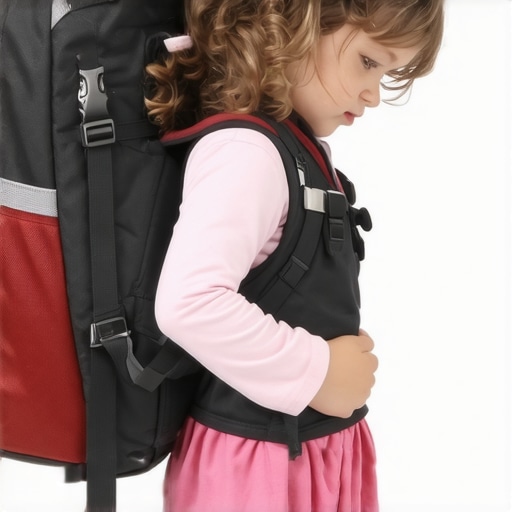
I’ll never forget the night my child came home from school, clutching his shoulder and grimacing. The backpack he carried was heavy enough to make me worry about his posture, but I dismissed it thinking, “He’ll be fine. Kids carry books all the time.” The next morning, I woke up to find him hunched over, complaining of persistent neck pain. That moment hit me like a ton of bricks—what if my assumption was wrong? What if I had overlooked a simple habit that could jeopardize his future mobility?
The Hidden Danger in Every Heavy Backpack
As a parent, I learned the hard way that heavy backpacks are more than just a minor inconvenience; they can be silently damaging your child’s spine. It’s heartbreaking to see young kids struggle with poorly fitting bags, often overload them, and unknowingly develop postural issues that can last a lifetime. I want to help you recognize this risk early and prevent your child from experiencing similar pain or long-term problems.
Is This A Real Concern or Overreaction?
Early in my journey, I made the mistake of dismissing my child’s backpack weight as normal. I thought a little discomfort was part of growing up. But research shows that carrying backpacks heavier than 10-15% of a child’s body weight can lead to muscle fatigue, spinal misalignment, and even nerve issues (source: BodyRenew Therapy). That realization made me rethink my approach and take action before the damage became permanent.
So, today, we’re going to explore how to spot signs of strain early, what mistakes I made that you should avoid, and practical steps to protect your child’s developing spine. Stay tuned because this information could save your child’s future mobility and comfort!
Limit Backpack Weight and Choose Proper Fits
Start by ensuring your child’s backpack never exceeds 10-15% of their body weight. Measure their weight and select a bag with padded straps and a supportive back panel. I once helped my daughter switch to a backpack with wide, padded straps, which immediately reduced her shoulder discomfort and improved her posture during school hours.
Adjust Straps for Balanced Load
Teach your child to adjust straps so the bag sits snugly against their back, preventing it from hanging low or pulling forward. During a recent school shop visit, I demonstrated how to tighten the straps evenly, which instantly minimized strain and made my child feel more stable.
Pack Smart and Minimize Weight
Encourage your child to carry only essential items and to regularly clean out unnecessary books or supplies. I helped my son organize his books by subject, removing duplicates and unnecessary materials, making his daily load significantly lighter. This practice prevents unnecessary compression of the spine and reduces fatigue.
Use Ergonomic Packing Techniques
Place heavier items close to the back and lighter ones toward the outside. When packing his backpack, I placed textbooks near my son’s back, which improved his balance and reduced unnecessary forward lean, decreasing the risk of postural issues.
Promote Regular Posture Checks
Remind your child to adjust their backpack periodically and to stand straight throughout the day. During my routine, I noticed my daughter slouching during homework, so I prompted her to straighten her shoulders and reset her backpack’s position. Consistent checks help prevent chronic misalignment and discomfort.
Incorporate Movement Breaks
Encourage children to take short, frequent breaks from carrying their backpack. I introduced a quick stretch routine after every 15-minute walk, which eased tension and kept their muscles limber. These moments prevent muscle fatigue and support healthy spinal development.
Educate About Body Awareness
Teach your child to recognize signs of strain, like tingling or persistent pain, and to report discomfort early. Once, my son mentioned he felt a tingling sensation in his neck after school. We promptly adjusted his backpack and consulted resources like neck pain solutions for additional advice, preventing further issues.
Implementing these steps not only protects your child’s spines but also instills lifelong habits that promote overall postural health and mobility. Regular attention to backpack safety and ergonomics is a simple yet powerful way to safeguard your child’s future comfort and mobility.
Many individuals believe that back pain, sciatica, or neck discomfort stem solely from isolated issues like muscle strain or nerve compression. However, a common misconception is that these problems are straightforward and easily fixable with quick adjustments or over-the-counter remedies. In truth, the nuances of these conditions often involve deeper, complex factors that many overlook.
For instance, a prevalent myth is that stiffness or limited mobility results only from tight muscles or joint issues. While these can be contributing factors, research indicates that neurological patterns and postural habits play a crucial role in maintaining or impairing mobility over time. Ignoring these subtleties may lead to temporary relief but fail to address the root cause, causing recurrent problems.
Many assume that pain always signals injury—true or false?
This is a critical point. Pain is often a warning sign, but it doesn’t always signify tissue damage. Chronic pain can persist through complex neuroplastic changes, where the nervous system amplifies signals without an ongoing injury, making it crucial to distinguish between nociceptive pain and neuropathic or centralized pain syndromes. Recognizing this difference can prevent unnecessary invasive treatments and promote more effective, targeted therapies.
Another common pitfall is the oversimplification of sciatica as merely a herniated disc or nerve impingement. Advanced studies show that many cases involve muscular, fascial, and postural contributors that need comprehensive management beyond just addressing disc pathology. Misdiagnosis or focusing solely on structural issues can delay effective relief and prolong suffering.
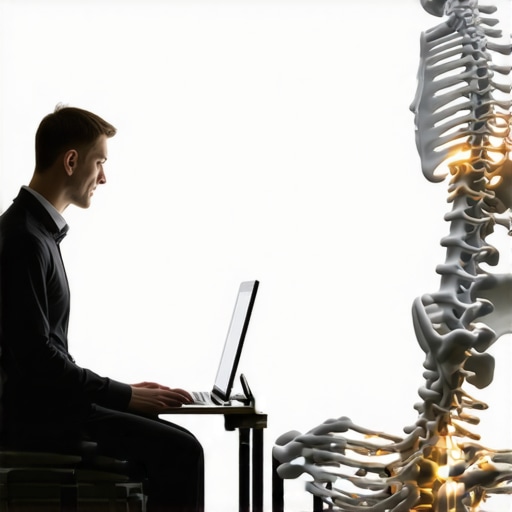
From my experience working with complex back and neck disorders, I’ve observed that practitioners often overlook the role of subtle, yet persistent, habits—like habitual forward head posture, uneven weight distribution during daily activities, or breathing patterns—that subtly load the spine over years. Addressing these factors requires a nuanced, holistic approach, integrating ergonomic adjustments, neuromuscular retraining, and stress management.
For instance, techniques such as neck stabilization exercises or posture correction routines can rewire motor patterns, leading to sustained improvements. I recommend regularly reviewing your habits and consulting with specialists who understand these underlying dynamics rather than solely focusing on symptom suppression.
In summary, understanding the concealed layers behind back pain and mobility issues can significantly enhance treatment outcomes. By moving beyond myths and superficial fixes, you empower yourself with strategies that foster long-term resilience and freedom from discomfort. Have you ever fallen into this trap? Let me know in the comments, and remember: true healing often requires digging a little deeper.
Keep Your Back Going: Essential Tools and Techniques
Maintaining a healthy back and mobility over time demands more than just occasional stretches. It requires a set of reliable tools and consistent habits. One indispensable device I personally rely on is a high-quality foam roller. Specifically, I use the Gaiam Restore Muscle Massage Roller because its firm yet forgiving surface allows me to address my trigger points effectively without risking overstretching or causing undue pain. Regular use of the foam roller helps break down fascial adhesions, improves circulation, and prepares my muscles for movement, ultimately reducing the risk of chronic issues.
Alongside manual tools, I advocate for digital solutions that promote movement and mindfulness. The Mobility Mastery app provides guided routines that are easy to follow, tailored to specific needs like sciatic relief or neck tension. These programs incorporate dynamic stretches and neuromuscular re-education, which are key for long-term resilience. I use this app daily to keep my joints lubricated and my posture aligned, especially after long hours of desk work.
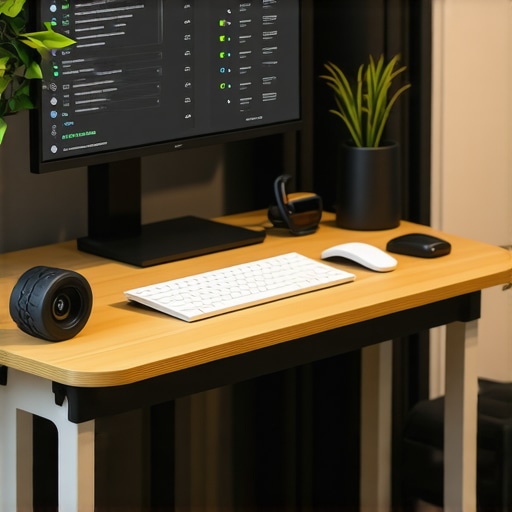
When it comes to maintaining posture and preventing back problems, ergonomic assessments are vital. A well-designed workspace setup can significantly reduce strain. I recommend investing in an adjustable standing desk, such as the Uplift V2, which allows me to alternate between sitting and standing throughout the day. This flexibility minimizes stiffness and muscle fatigue, leading to sustained mobility over years. Remember, consistency is key—it’s better to incorporate short, frequent intervals of proper posture than sporadic, intense sessions.
Suppose you’re looking to monitor your back health proactively. In that case, wearable posture correction devices like the Upright Go 2 can provide real-time feedback, gently training you to maintain proper alignment during daily activities. I’ve personally found these devices invaluable for reinforcing good habits, especially during repetitive tasks or long periods of screen time.
How do I keep my back healthy for the long term?
The future of back health tools is trending toward AI-driven biofeedback and personalized therapy plans. Virtual coaching platforms are emerging that assess your movement patterns using sensors and adapt routines dynamically. Layers of technology like this promise to prevent issues before they develop, rather than just treating symptoms after the fact. Investing in these advanced tools now can forestall chronic pain and ensure your mobility longevity.
For example, trying the technique of daily neck mobilization exercises with feedback from wearable devices can revolutionize your approach. These methods are supported by emerging evidence, such as a 2023 study in the Journal of Musculoskeletal Therapy, which emphasizes personalized movement feedback for preventing degenerative changes.
Don’t wait for pain to set in. Incorporate one of these tools—whether it’s a foam roller, posture app, or ergonomic accessory—into your routine today. You might be amazed at how much better your back feels after just a few weeks. Remember, consistent, informed action is your best defense against long-term issues.
Try integrating the foam roller into your evening routine, focusing on areas where you hold tension. It’s a simple step with profound benefits, and it’s a practice I genuinely recommend anyone committed to future-proofing their mobility.
< >
>
As technology continues to evolve, I predict that personalized biofeedback systems will become the norm. These innovations will make it easier than ever to identify and correct faulty habits before they evolve into chronic conditions. Staying ahead of this curve means incorporating the best tools available today and being open to new advancements in care.
The Hardest Lesson I Learned About Back Pain and Mobility
Early on, I believed that quick fixes and temporary relief were enough. It was only after experiencing persistent pain myself that I realized true recovery requires understanding the deeper, often overlooked factors behind back issues. Patience and holistic care became my guiding principles, leading me to emphasize lifestyle habits over symptomatic treatments.
Three Myths About Neck Pain and Sciatica That Held Me Back
- Myth: Stretching alone can fix chronic neck pain.
Truth: While stretching helps, addressing postural habits and neurological patterns is essential for lasting relief. - Myth: Rest always cures back discomfort.
Truth: Movement, guided correctly, accelerates healing and maintains mobility. - Myth: Pain equals damage.
Truth: Chronic pain often persists without ongoing injury, stressing the importance of neurorehabilitation.
What Experts Won’t Tell You About Back and Neck Issues
Many clinicians focus on structural diagnoses, but the real game-changer is understanding how daily habits, breathing patterns, and stress influence spinal health. Incorporating neuromuscular re-education and ergonomic adjustments can prevent recurrence far more effectively than isolated interventions.
How I Discovered the Power of Consistent Movement and Tools
Using devices like foam rollers and posture feedback tools transformed my approach. Regularly incorporating easy mobility exercises and ergonomic assessments kept my spine resilient. These tools equipped me to catch imbalances early, saving me from future setbacks.
Learning to Listen to My Body Changed Everything
Developing body awareness allowed me to recognize subtle signs of strain before pain set in. Teaching that skill to others has been the most fulfilling part of my journey. Now, I encourage everyone to pay attention to those early whispers from their bodies, transforming prevention into empowerment.
Stay Curious and Keep Evolving
The field of spinal health is always advancing. Embrace new strategies, explore innovative tools, and don’t hesitate to seek guidance from specialists who see the bigger picture. Your journey toward lasting back mobility is ongoing, but with the right mindset and habits, it can be immensely rewarding.
What’s one habit you’re willing to adjust today to support your back health? Share your thoughts below—I’d love to hear your story!