
How Your Breathing Habits Are Tightening Your Neck Muscles
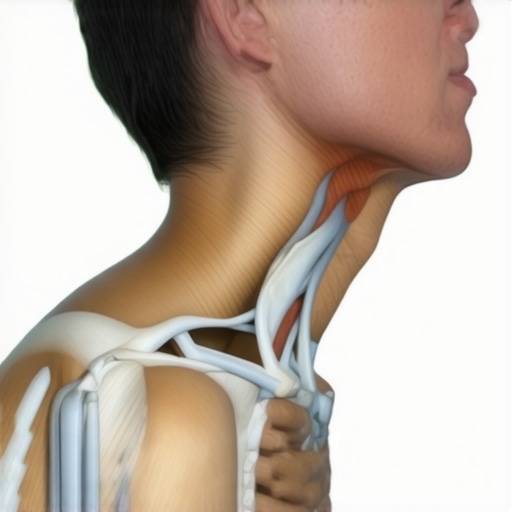
I remember the exact moment I realized my chronic neck tension wasn’t just about poor posture or stress—it was something deeper, almost sneaky. I was sitting at my desk, feeling that familiar stiffness creeping up my neck, and suddenly, I caught myself habitually holding my breath during stressful meetings. As silly as it sounds, I had been unknowingly tightening my neck muscles every time I clamped down on my breath. That lightbulb moment changed everything for me—and it can do the same for you.
The Unseen Link Between Breathing and Neck Tightness
Our breathing habits are often overlooked, yet they play a crucial role in maintaining our muscular balance and overall health. When we breathe shallowly or hold our breath during tension, our body compensates by tightening up nearby muscles—especially those in your neck and shoulders. Honestly, I didn’t realize how much my own breathing pattern contributed to my neck discomfort until I started paying close attention. Small changes in breathing can lead to significant improvements in neck flexibility and pain levels.
Research shows that dysfunctional breathing can contribute to muscle tension and even reduce blood flow, making recovery from neck pain slower and more frustrating. If you’ve been battling stubborn neck stiffness, it’s worth considering how your breathing habits might be secretly making things worse. I’ll guide you through simple adjustments that helped me release that constant tightness and reintroduce ease and mobility into my neck.
Got You Skeptical? That Breathing Trick Really Works!
Early on, I made the mistake of dismissing breathwork as something too abstract or ineffective. I thought, “How could just changing how I breathe possibly make a difference?” Let me tell you—it’s a game-changer. Once I learned to breathe intentionally, my neck muscles softened, and that gnawing tension faded. This approach is backed by experts in the field, emphasizing the importance of diaphragmatic breathing in reducing muscle tightness and improving posture. If you’re unsure whether this is worth trying, ask yourself: have you been ignoring a simple pattern that might be silently sabotaging your relief?
Now that I’ve shared my story, let’s explore why understanding and correcting your breathing habits could be the missing piece in your pain puzzle. It’s time to take a fresh look at something you might have overlooked—your own breath—and see how it can set you free from neck tension once and for all.
Focus on Diaphragmatic Breathing to Release Tension
Start by lying on your back in a comfortable position, placing one hand on your chest and the other on your abdomen. Inhale slowly through your nose, directing the air into your belly so it expands like a balloon. Exhale gently through pursed lips, feeling the belly deflate. Practice this for 5 minutes daily to retrain your breathing pattern and ease neck muscle stress.
Use a Visual Cue to Reinforce Breathing Habits
Place a small object, like a lightweight ball or a puck, on your abdomen to monitor movement. The rising and falling of the object will serve as a real-time indicator, helping you stay committed to diaphragmatic breathing rather than shallow chest breathing. This method was a game changer in my routine — during one session, I noticed my chest barely moved, so I consciously focused on belly breaths, which led to a noticeable decrease in neck tightness within days.
Integrate Breathing into Posture Correction
As you improve your breath control, synchronize it with posture adjustments. When sitting at your desk, take a deep inhale before straightening your spine and lifting your chin. Exhale slowly as you settle into proper alignment, engaging your core and relaxing your shoulders. This combined approach fosters muscle balance and diminishes tension that contributes to neck pain.
Micro-Story: Combining Breath and Movement
I recall working through a stubborn episode of neck stiffness that refused to improve with stretching alone. I added intentional diaphragmatic breathing sessions before and during my posture exercises. The difference was evident — my muscles relaxed more deeply, and I felt relief faster. Incorporating breathwork into daily routines can accelerate your recovery and make ongoing management more effective.
Develop a Consistent Practice for Long-Term Benefits
Dedicate 10 minutes daily to focused breathing, gradually increasing duration. Pair this with gentle neck mobility exercises, such as slow head turns and tilts, while maintaining your breath rhythm. Over time, this combo strengthens your nervous system, improves blood flow, and keeps neck muscles relaxed. Regular practice is essential — consistency transforms short-term relief into lasting freedom from tension.
For more techniques to enhance your neck mobility, explore resources like proven techniques for neck recovery.
 Many people believe that neck pain, sciatica, and back discomfort are solely caused by poor posture or injury. However, as an expert in musculoskeletal health, I can tell you that these assumptions often oversimplify complex conditions. A widespread myth is that rest is always the best solution; in reality, prolonged inactivity can weaken supporting muscles and prolong recovery. Another often-mistaken notion is that pain always indicates a serious problem that requires surgical intervention—when, in fact, conservative methods like targeted movement and lifestyle modifications often lead to better outcomes. Understanding these nuances is crucial for effective treatment.
One common trap many fall into is assuming that all pain is due to structural damage. While injuries like herniated discs or ligament tears do cause discomfort, many cases are rooted in dysfunctional movement patterns, muscle imbalances, or nerve irritations that worsen with poor habits. For instance, individuals with chronic back pain often have underlying core weakness or pelvic misalignment that perpetuates the issue, which means simply treating the pain symptom doesn’t address the root cause.
Why Do So Many Experts Still Get It Wrong — Even Today?
Despite advances in research, some practitioners still focus too narrowly on imaging results, like MRIs, which can show abnormalities that are actually part of normal aging or incidental findings. A prominent example is that many asymptomatic individuals may have disc bulges or nerve compression visible on scans, yet they experience no pain at all. This disconnect emphasizes the importance of a holistic approach, focusing on functional movement and lifestyle factors rather than relying solely on structural abnormalities. For example, incorporating functional movement assessments can reveal poor movement patterns contributing to pain, which conventional imaging may overlook. To delve deeper into these approaches, check out advanced recovery strategies for back pain.
Another nuance often overlooked is the role of psychological factors—stress, anxiety, and fear-avoidance behaviors can intensify pain perception and limit mobility. Real expertise involves detaching from the myth that pain equals damage, instead recognizing the biopsychosocial model’s importance in rehabilitation. By addressing these multifaceted contributors, you set yourself up for a more comprehensive and sustainable recovery. Remember, a balanced approach combines movement, lifestyle adjustments, and mental health — not solely focusing on structural fixations.
Have you ever fallen into this trap? Let me know in the comments. Incorporating a nuanced understanding can truly change how you approach pain and mobility. For more insights, explore the real connection between posture and chronic back pain or lifestyle strategies for lasting sciatica relief. Your journey to better health starts with awareness of these subtleties.Maintaining your progress beyond initial recovery requires the right tools and a strategic approach. Personally, I rely heavily on resistance bands like the TheraBand for targeted muscle activation. These bands are versatile, portable, and allow me to deepen mobility exercises without putting undue stress on my joints. I specifically use the medium resistance band because it provides enough challenge to activate weak stabilizers without compromising form, making my routines more effective and sustainable. Pairing resistance bands with foam rollers, such as the TriggerPoint MAX Foam Roller, enables my fascial tissues to stay pliable, reducing stiffness and preventing restrictions that can lead to flare-ups. I find that regular self-myofascial release with a foam roller helps release muscle knots before they become problematic, giving me a sense of ongoing mobility.
In addition to physical tools, I leverage mobile apps like PhysiApp, which I use to track my daily mobility and strengthening routines. These apps often incorporate guided exercises based on my specific needs, ensuring I stay consistent. The automation and reminders keep me engaged, making maintenance feel less like a chore and more like part of my daily routine. I believe the future of injury prevention lies in integrating wearable tech, such as smart bands that monitor muscular tension and posture in real-time. Such innovations can prompt immediate corrections, further preventing long-term problems.
How do I maintain neck, back, and sciatic health over time? It starts with integrating consistent, targeted movement routines and using the right equipment. For instance, regularly scheduled mobility sessions with a foam roller and resistance bands can be game-changers. To dive deeper into effective techniques, I recommend exploring simple exercises that make a difference.
Looking ahead, trends point towards personalized movement analytics powered by AI and wearable sensors, enabling tailored programs that adapt as your mobility improves or challenges develop. Embracing these tools now can set a foundation for resilient, long-term health.
Finally, I advise you to try incorporating a daily 5-minute resistance band shoulder stabilization drill. It’s simple, yet highly effective in maintaining joint integrity and preventing degeneration. Consistency is key—your future self will thank you for it.
The most profound lessons I learned about managing neck pain, sciatica, and maintaining mobility often came from my mistakes and unexpected revelations. One of the toughest truths was realizing how subtle habits, like shallow breathing or poor ergonomic choices, could silently undermine my progress. Recognizing these nuances taught me to focus not just on isolated exercises but on integrating mindful awareness into daily routines. Moreover, I discovered that setbacks are simply stepping stones—each challenge illuminated a gap in my understanding, guiding me toward more effective strategies that I now endorse wholeheartedly.
Blind Spots That Block Your Recovery
Early on, I believed that stretching alone would solve my persistent back issues. It wasn’t until I dived deeper that I realized ignoring muscular imbalances and breathing patterns slowed my healing. The myth that structural damage is the sole cause of pain led me astray. Instead, uncovering my dysfunctional movement habits and addressing underlying nervous system concerns transformed the way I approached recovery. This lesson underscores the importance of holistic assessments—focusing on movement quality, breathing, and lifestyle rather than just symptoms.
Tools That Turn the Tide in Your Favor
Throughout my journey, I leaned on practical tools that made a real difference. Resistance bands like TheraBands became my allies in strengthening weak stabilizers, while foam rollers such as the TriggerPoint MAX provided essential fascia release, preventing tightness before it took hold. Additionally, digital support via apps like PhysiApp helped me stay consistent and accountable. My advice: invest in equipment that empowers you, and seek resources like simple exercises that make a difference to anchor your routine.
Embrace the Mindset Shift for Real Change
Perhaps most surprisingly, nurturing patience and self-compassion accelerated my progress. Recognizing that healing isn’t linear—a concept often misunderstood—allowed me to celebrate small victories without frustration. Changing my mindset to see discomfort as a cue rather than a setback helped me stay motivated. I encourage you to adopt this perspective; your relationship with pain and mobility is as much psychological as physical. Staying positive and persistent sets the stage for sustainable healing.
What unexpected habit or mindset shift helped you advance in your healing journey? Share your story below—your experience could inspire others to discover their own hidden lessons. For deeper insights, explore resources like proven techniques to regain neck mobility and breakthrough strategies for back pain.