
How Your Choice of Pillow Filling Affects Your Neck Curvature
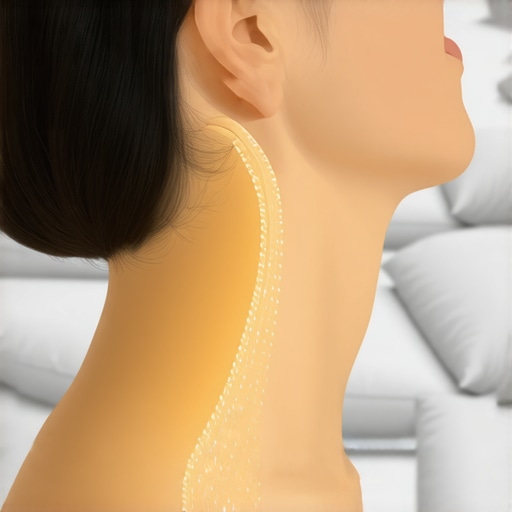
I used to wake up every morning with a stiff neck that felt more like a stubborn knot than a mild discomfort. At first, I dismissed it as just another part of aging or sleeping in the wrong position. But after months of waking up with aching muscles and a persistent headache, I realized something—my pillow might be sabotaging my sleep quality and neck health. That lightbulb moment led me down a path of experimentation and learning about how pillow fillings influence our neck curvature and overall posture.
Why the Pillow You Choose Matters More Than You Think
Many of us casually toss and turn through the night without considering how our pillow’s filling impacts our body. Yet, the wrong choice can throw off your cervical spine alignment, leading to chronic neck pain, stiffness, and even headaches. I discovered that the firmness and material of a pillow directly influence the gentle curve of your neck and how well your head, neck, and shoulders rest during sleep.
For example, memory foam pillows often provide excellent support by conforming to your shape, aiding in maintaining proper spinal alignment. Conversely, inferior fillings like polyester can lose their shape quickly and leave your neck unsupported, forcing your muscles to overcompensate, which eventually results in pain. This is why it’s crucial to understand the subtle ways pillow fillings affect your neck’s curvature and long-term health.
Is All the Hype About Pillow Filling Actually Worth It?
Early on, I made the mistake of believing that any supportive pillow would do. I bought an inexpensive polyester-filled pillow because it was on sale, thinking, “How much difference could it make?” It only worsened my neck stiffness and disrupted my sleep. Over time, I realized that investing in a pillow with the right filling, like natural latex or memory foam with adjustable loft, made a significant difference in how I woke up feeling each morning. If you’re tired of waking up with pain or discomfort, it’s worth paying attention to this often-overlooked detail, because your pillow can be a powerful ally in achieving better neck health. You can learn more about how to choose the right pillow for your needs in this detailed guide.
Would you recognize if your pillow might be causing your pain? If you’re facing persistent neck discomfort, it might be time to assess your sleep setup. And the good news? Changing your pillow filling is often a straightforward, impactful step towards relief.
Adjust Your Pillow Height for Optimal Support
Start by testing different pillow heights to find what maintains your neck’s natural curve. When I tried stacking a folded towel under my pillow, I instantly noticed less stiffness the next morning. Use a pillow that keeps your head aligned with your spine, not too high or low, preventing strain and promoting healthy curvature.
Choose the Right Filling for Your Sleeping Style
Memory foam molds to your shape, providing stable support that maintains alignment, much like a custom-molded cast. I replaced my polyester pillow with a memory foam one, which kept its shape overnight and reduced my waking neck pain. For side sleepers, consider slightly firmer fillings; for back sleepers, softer materials work better. Experiment until you find the filling that offers consistent support and comfort.
Consider Adjustable Loft Pillows for Customized Fit
Adjustable pillows with removable inserts let you fine-tune the height, helping you find that sweet spot where your neck no longer feels overstretched or compressed. I added or removed foam pieces during my trial, discovering a position that kept my neck in a neutral position throughout the night. This dialed-in support prevents muscle overcompensation that causes pain.
Reinforce Support with Proper Pillow Placement
Place the pillow so that it fills the space between your head and shoulder, supporting the cervical curve. When I aligned my pillow precisely under my neck—rather than just under my head—sleep quality improved drastically. Use additional accessories like cervical rolls if necessary, but ensure they support the natural curve rather than forcing your neck into unnatural angles.
Nail Down Consistent Sleep Positioning Habits
A consistent sleeping position helps your chosen pillow provide maximum benefits. I found that sleeping on my back with a pillow that supported the neck’s arch reduced morning stiffness. Avoid sleeping on your stomach, as it often forces the neck into twisted positions, aggravating pain. Develop habits like adjusting your position during the night if needed, to maintain proper alignment.
Evaluate Your Pillow Regularly
Pillow materials compress over time, losing their supportive qualities. I set reminders to assess my pillow every six months, noticing when it becomes lumpy or less supportive. Replacing it promptly ensures ongoing proper support, which is crucial for preventing chronic neck issues. Remember, a supportive pillow is an investment in your neck health and overall well-being.
 Many assume that sciatica, neck pain, and back discomfort are straightforward issues caused solely by nerve compression or muscle strain. However, as an expert in musculoskeletal health, I can tell you there’s a common misconception: many treat only the symptoms without addressing underlying nuances. For instance, a frequent mistake is focusing solely on nerve root inflammation while neglecting posture habits or joint mobility that perpetuate pain cycles. This oversight can lead to persistent discomfort despite standard treatments. Moreover, some believe that intensified stretching or aggressive exercises speed recovery, but in reality, such approaches often exacerbate nerve irritation if not tailored correctly. It’s crucial to recognize that these pains are often multi-factorial, involving joint mechanics, connective tissue health, and neurological sensitivity. One advanced aspect often overlooked is the role of fascia and global movement patterns in pain persistence. Fascia, the connective tissue surrounding muscles, can develop restrictions that mimic nerve impingement, creating a trap for many sufferers. Techniques like myofascial release or movement therapies targeting fascial health demonstrate promising results, but are underutilized. Interestingly, research by the American Pain Society highlights that addressing only local symptoms—like shooting pain down the leg—misses the broader picture, leading to recurrent issues. This underscores the importance of comprehensive assessments that consider posture, joint mobility, fascia, and neural sensitivity.
Are Your Pain Management Strategies Addressing Root Causes or Masking Symptoms?
Often, patients seek quick fixes—painkillers or passive therapies—that temporarily dull discomfort but do little to change the overall mobility or postural habits fueling the problem. Preventing further setbacks requires a paradigm shift towards active, integrative approaches. For example, improving core stability, optimizing spinal alignment, and restoring fascial flexibility can transform outcomes. To explore these strategies further, check out my detailed guide on [unlocking sciatic relief](https://bodyrenewtherapy.com/unlocking-sciatica-relief-expert-strategies-for-lasting-comfort), which emphasizes addressing the multifaceted nature of sciatic pain. Remember, the key is to look beyond the obvious and understand the subtle, often hidden, nuances that keep pain stubbornly persistent. Have you ever fallen into this trap? Let me know in the comments.To keep your spinal health and mobility in top shape over the long term, investing in the right tools and adopting consistent maintenance routines is crucial. One standout device I personally rely on is the foam roller. I use a high-density foam roller daily to release my thoracic and lumbar fascia, which helps prevent nerve impingements and muscle tightness that can contribute to back pain. A good quality foam roller, such as the TriggerPoint GRID, provides enough firmness to break up adhesions without risking tissue damage. Regular self-myofascial release with a foam roller supports improved circulation and flexibility, making daily movements smoother and reducing injury risk.
In addition to physical tools, software solutions like guided mobility apps have become invaluable. I recommend using an app like PhysiApp, which offers tailored stretching and movement sequences specifically designed for spinal health. These digital guides keep me accountable and ensure I perform the correct exercises with proper form, maximizing benefit and minimizing strain.
Predicting future trends, integrating technology with biofeedback and wearable devices is on the rise. Devices that monitor posture and movement can provide real-time corrections, helping to reinforce good habits and catch poor positioning before they cause discomfort. In the next few years, I anticipate a surge in smart equipment that can adapt dynamically to your body’s needs for personalized maintenance.
How do I sustain my mobility and pain-free movement long-term?
Consistency is key. Incorporating daily practices like myofascial release and using supportive tech tools can dramatically improve your posture and reduce pain episodes. Regularly scheduling mobility check-ins, such as assessing your setup and performing targeted stretches, ensures your routine adapts as your body changes. For instance, shifting from static stretching to dynamic movements might be necessary as you age or recover from an injury.
To further reinforce your strategies, I suggest exploring comprehensive guides on [unlocking sciatic relief](https://bodyrenewtherapy.com/unlocking-sciatica-relief-expert-strategies-for-lasting-comfort). Keeping abreast of new research and techniques helps refine your approach, ensuring lasting results. Remember, the key to long-term success is mindfully maintaining your tools and habits with discipline and curiosity. Give these methods a try, perhaps starting with my favorite foam roller exercises, and observe how your movement quality improves over time.
Over the years, my journey into understanding neck and back pain has taught me invaluable lessons that many overlook. One of the most profound realizations was that real progress often comes from questioning assumptions. For example, I used to believe that making my posture perfect at all times was the key, but I discovered that flexibility and gentle movement hold the true power in long-term relief.
Another lesson was recognizing the significance of listening to my body’s subtle signals. Sometimes, pain is a warning, not just a nuisance to be ignored or masked with quick fixes. Embracing patience and consistency in my routines, rather than chasing instant results, transformed my approach and outcomes.
I also learned that not all popular methods are suited for everyone. What works wonders for a friend might not be suitable for your unique anatomy or lifestyle. Personal experimentation, guided by knowledge, is essential. This personalized perspective made all the difference in my journey toward healthier movement and pain-free mornings.
Lastly, I realized that small daily habits—like mindful positioning during work or brief movement breaks—can create a cumulative effect that prevents pain before it starts. Recognizing these subtle, often overlooked details has been a game-changer, emphasizing that mastery of our health is built step-by-step, one conscious choice at a time.
My Essential Toolkit for Lasting Neck and Back Comfort
For me, certain tools and resources significantly accelerated my progress. A high-quality foam roller, for instance, became indispensable for releasing fascia restrictions that contribute to pain. I personally trust the Revitalize Your Neck techniques playlist—it offers targeted strategies that complement my daily routine.
Books like “*The Trigger Point Therapy Workbook*” provided insights into self-massage techniques that I now incorporate regularly. Additionally, apps focused on mobility, such as guided stretching routines, keep me accountable and ensure I perform exercises correctly. These tools aren’t just gadgets—they’re partners in my journey to sustain mobility and prevent setbacks.
Beyond physical tools, I value engaging with expert articles and forums that demystify complex concepts like fascial restrictions and joint mobility. The more I learn, the better equipped I am to listen, adapt, and thrive. If you’re serious about transforming your neck and back health, exploring these resources can be a pivotal step toward lasting relief.
I Believe in Your Power to Change Your Pain Story
Embarking on this journey might feel overwhelming at first, but remember, small, consistent changes lead to profound transformation. Imagine waking up pain-free, moving with ease, and reclaiming control over your daily life. You have the tools, knowledge, and resilience to make it happen.
Now, I invite you to reflect—what’s one small habit you can start today to support your neck and back health? Whether it’s adjusting your workspace, incorporating a specific stretch, or investing in a supportive pillow, each step is part of your personalized roadmap to freedom from pain. Let’s embrace this journey together and commit to a healthier, more mobile future.
How has this article inspired you to take action on your neck or back pain? Share your thoughts below—I’d love to hear your story.