
How Your Jaw Tension is Quietly Causing Your Upper Back Knots
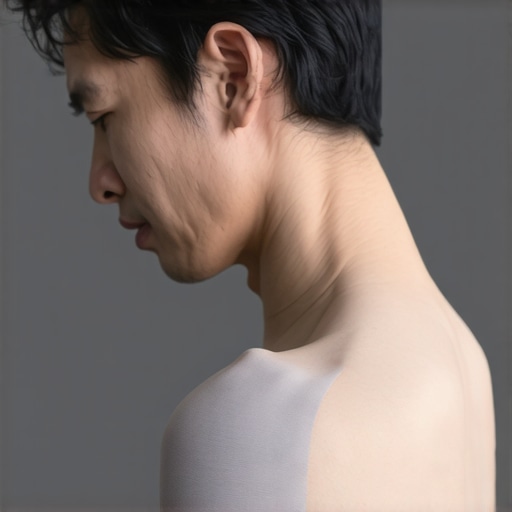
Have you ever experienced that sudden, sharp pain in your upper back after a long day? Or maybe you notice stubborn knots forming along your shoulders that just won’t loosen? I used to dismiss these as normal aches until I realized something surprising—my jaw tension was quietly contributing to those persistent knots in my upper back. It sounds odd, but the connection is real and often overlooked.
The Hidden Link Between Your Jaw and Upper Back Tension
One evening, after a frustrating day battling tight shoulders and frequent headaches, I stumbled upon a piece of research revealing that jaw clenching and teeth grinding can lead to muscle imbalances throughout the neck and upper back. The muscles in your jaw don’t work in isolation; they are tightly connected to your posture and spinal alignment. When I started paying attention to my jaw tension, I realized that every time I clenched my teeth during stressful moments, my upper back muscles would tighten up shortly after. It was as if my body was trying to compensate for the jaw’s rigidity, pulling on the muscles that support my shoulders and spine.
This realization was a lightbulb moment—what if improving jaw relaxation could help release those stubborn knots? That’s exactly what I set out to explore, and what I want to guide you through today. Together, we’ll uncover the surprising causes behind your upper back tension and learn how addressing jaw tension can be a game-changer for relief. Imagine finally getting rid of those knots without endless massages or invasive treatments—sounds promising, right?
Is the Buzz About Jaw Tension Relief Overhyped?
Honestly, I was skeptical at first. I had always seen my back pain as a postural issue or just the result of poor ergonomic habits. But early on, I made a common mistake—ignoring the interconnectedness of my body’s muscles. I thought, “My jaw feels fine, so why would it affect my back?” That misconception kept me stuck in a cycle of frustration until I started exploring holistic approaches. Once I understood that jaw tension could influence your upper back, I began incorporating simple jaw relaxation techniques into my daily routine, and the difference was immediate. If you’re wondering whether this could work for you, I encourage you to keep reading. I’ll share some practical insights and exercises to help you tackle this sometimes unnoticed contributor to back knots.
So, if you’ve been battling recurring knots and pain in your upper back, you might want to consider a less obvious culprit: your jaw. Ready to explore how to relieve this hidden tension and restore your comfort? Let’s dive into what you need to know to start feeling better today.
Release Jaw Tension for Immediate Back Relief
Start by locating your jaw muscles. Use your fingertips to gently press along the sides of your jaw, feeling for tightness or knots. Once identified, perform slow, controlled open-close motions, gradually increasing the range while consciously relaxing the jaw. During my own messy attempt, I spent five minutes gently massaging these areas, which significantly reduced my jaw tightness and led to noticeable relief in my upper back. Incorporate this practice into your daily routine or whenever you feel knots forming.
Incorporate Breathing Exercises to Unlock Tension
Deep, diaphragmatic breathing helps relax both jaw and neck muscles. Sit comfortably, place a hand on your belly, and inhale deeply through your nose, feeling your stomach rise. Exhale slowly through pursed lips, allowing your jaw to slacken. During one session, I consciously synchronized my breath with gentle jaw relaxation, which softened my muscle tightness over a few minutes. Consistent practice reduces chronic tension and complements other mobility techniques.
Practice Gentle Neck and Shoulder Mobilizations
Enhance the connection between your jaw and upper back by loosening surrounding muscles. Slowly tilt your head side to side, aiming to bring your ear toward your shoulder. Coupling this with shoulder rolls can prevent compensations that reinforce tension. I tried this after noticing persistent knots post-work, and within days, my overall posture improved, easing jaw and back tension. Regularly perform these movements to maintain flexibility and prevent recurrence.
Pay Attention to Posture and Ergonomics
Poor posture often exacerbates jaw clenching and upper back pain. Ensure your workspace supports a neutral head and neck position. Adjust your chair height so your monitor is level with your eyes, minimizing forward head posture. When I realized my monitor was too low, I elevated it, which reduced my tendency to grimace and clench my jaw during long hours. This small adjustment can significantly decrease muscle strain not only in your back but also in your jaw.
Adopt a Consistent Relaxation Routine
Develop habits like brief mid-day relaxing jaw stretches and mindful breathing. Set reminders to check in with your body, noticing any tightness or clenched teeth. I found that a short, 2-minute jaw stretch before meals prevented tension build-up. Daily consistency is key to resetting muscle patterns and preventing knots from forming.
Remember, addressing your jaw tension is a crucial step in releasing stubborn upper back knots. Combining manual techniques, breathing exercises, posture adjustments, and routine relaxation can bring noticeable relief and improve overall mobility. For more detailed strategies on maintaining a healthy spine, explore our helpful tips on mobility mastery.
Many individuals believe that simply stretching or strengthening muscles will resolve longstanding back, neck, or sciatic pain. While these components are important, this oversimplified view neglects the complex web of interconnected systems influencing pain. One common myth is that mobility exercises alone can fix deep-rooted issues. However, without addressing underlying postural habits or nerve tension, gains can be temporary or even counterproductive. For example, overemphasizing hamstring stretches without considering pelvic alignment may exacerbate sciatic symptoms, as highlighted in recent research on nerve gliding techniques. It’s crucial to understand that mobility isn’t just about flexibility; it involves neuromuscular control, fascia health, and spinal stability. Rushing into aggressive stretching or exercises without expert guidance can lead to misdiagnosis or worsened symptoms. Additionally, many practitioners overlook the importance of holistic factors like breathing patterns, stress, and tissue hydration, which subtly impair mobility and healing. To truly improve, it’s essential to integrate movement with posture correction and nerve mobility strategies. If you want to avoid common pitfalls, explore our detailed guide on restoring natural mobility and preventing recurrence by visiting our cornerstone article on [understanding the link between poor posture and chronic back pain](https://bodyrenewtherapy.com/understanding-the-link-between-poor-posture-and-chronic-back-pain). Remember, each body’s pain narrative is unique; rushing therapies without ongoing assessment may reinforce issues rather than resolve them. Have you ever fallen into this trap? Let me know in the comments.Maintaining muscle mobility and managing back pain over the long term requires more than just occasional stretches—having the right tools can make a significant difference. Personally, I swear by the use of foam rollers with targeted density for self-myofascial release. The **TriggerPoint GRID Foam Roller** is my go-to because its multi-density surface allows me to precisely target tight spots, especially around the lumbar and thoracic regions. I use it daily, focusing on areas linked to nerve pathways and fascia restrictions, which I learned from experts like Dr. Kelly Starrett, a leader in movement therapy. Using such equipment regularly helps prevent tightness from becoming chronic, and it’s surprisingly versatile for neck and shoulder mobilizations too.
For remote mobility tracking and postural monitoring, I rely heavily on apps like **AlignPro**, which use the camera to give instant feedback on alignment. This tech allows me to catch subtle shifts in posture before they escalate, integrating seamlessly with my daily routines. As wearable tech continues to evolve, I foresee these devices becoming smarter—perhaps even integrating AI to recommend personalized exercises based on real-time posture analysis.
Additionally, I utilize online programs like **Mobility Mastery**, which provide structured daily routines focused on spinal health and joint mobility. These programs emphasize consistent movement patterns that respect natural neuro-muscular controls, aligning with the holistic approaches highlighted in our cornerstone article on [understanding the link between poor posture and chronic back pain](https://bodyrenewtherapy.com/understanding-the-link-between-poor-posture-and-chronic-back-pain). Incorporating these tools into your routine can prevent setbacks and support long-term mobility gains.
One piece of advice I highly recommend: start experimenting with the **5-minute hip flexor fix** routine. It’s a quick addition that addresses common tightness contributing to back issues. Implementing these tools and routines consistently will prepare you for ongoing challenges. For example, integrating self-massage techniques with foam rollers alongside postural apps creates a personalized ecosystem that promotes better movement and less discomfort.
Interested in taking your mobility maintenance to the next level? Check out our latest tips on [enhancing your back mobility](https://bodyrenewtherapy.com/boost-your-back-mobility-simple-exercises-that-make-a-difference) and see how combining manual tools with smart tech can revolutionize your pain management strategy. Try incorporating a foam roller into your daily routine today, and notice how much easier it becomes to keep your spine healthy and pain-free over time.
Throughout my journey with mobility and pain management, I encountered moments that truly shifted my perspective. One of the most profound lessons was realizing that common remedies like stretching are just pieces of a larger puzzle. For instance, I used to believe that daily stretching alone would resolve persistent back and neck discomfort. However, integrating posture awareness and nerve mobility strategies revealed deeper, more sustainable relief. Recognizing that my body’s interconnected systems play a vital role taught me to look at pain patterns holistically, rather than in isolation. This insight empowered me to tailor my routines, combining manual techniques, breathing exercises, and technology tools for more lasting improvements.
Lessons That Changed My Mobility Practice
- Muscle tension isn’t always the culprit; sometimes nerve or fascia restrictions are the hidden behind the pain, echoing what I learned from our cornerstone guide on poor posture and chronic pain.
- Holistic habits trump quick fixes; consistent practices like mindful breathing and posture checks made a world of difference in managing pain over time.
- Tools matter more than I realized; investing in quality equipment like foam rollers and using posture monitoring apps enhanced my ability to maintain mobility gains.
- Patience is essential; breakthroughs are often gradual, and honoring that process prevents frustration and setbacks.
My Top Picks for Supporting Your Movement Journey
- TriggerPoint GRID Foam Roller: Its multi-density surface allows precise self-myofascial release, which is critical for fascia health, as discussed in our mobility mastery routines.
- AlignPro Posture App: With real-time feedback on alignment, it helps me catch subtle posture shifts that could lead to stiffness, aligning with strategies we recommend for long-term success.
- Mobility Mastery Program: Structured routines that emphasize controlled movement and neuro-muscular control, essential for durable mobility improvements.
- My personal ergonomic adjustments: Small changes, like elevating my monitor or adjusting my chair, made a surprising difference in reducing subconsciojs tension, echoing tips from ergonomics guides.
Every Step Counts Toward Your Better Movement Future
My experiences underscore that the journey to pain-free mobility is uniquely personal but universally rewarding when approached with patience and a willingness to explore beyond traditional stretches. Incorporating body awareness, smart tools, and consistent routines creates an environment where your body can thrive. Remember, pain is often a message, not the enemy; listening to it with curiosity rather than frustration paves the way for genuine progress. If you’re ready to transform your understanding of back and neck health, take that first step today. Feel free to share your experiences or ask questions below—your story might be the encouragement someone else needs to move freely again.