
Why Hamstring Tightness is a Defense Mechanism for Your Back
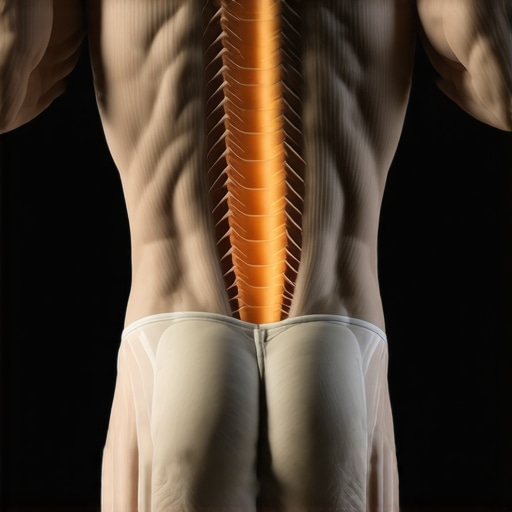
I remember the moment vividly. I was stretching, trying to loosen up my stiff hamstrings after a long day, when suddenly, a sharp twinge shot down my leg. It was terrifying. At that point, I didn’t realize that those tight hamstrings weren’t just a stubborn muscle group but might actually be your body’s way of protecting your lower back. That’s a lightbulb moment I want to share because understanding why hamstring tightness occurs can transform how you approach back pain.
The Surprising Reason Your Hamstrings Tighten Up
Most people, including myself early on, think of tight hamstrings as a problem to fix—to stretch and elongate them to improve mobility. But there’s a hidden story behind this stiffness. Your body is incredibly smart; it tightens muscles as a defense mechanism against pain or instability. When your lower back feels threatened or overworked, your nervous system tightens the hamstrings to limit movement, essentially creating a safety zone. It’s like your body’s early warning system alerting you that something’s wrong, and it’s trying to prevent further injury.
This phenomenon is backed by research that shows muscle tightness often correlates with underlying issues rather than just a need for stretching. In fact, forcing those muscles to relax prematurely can sometimes worsen the problem, making relief more elusive. Instead, addressing the root cause—the way your back and hips are functioning—can lead to lasting improvements. Curious about practical ways to switch your approach? Check out conquering sciatic discomfort for strategies that tackle the core issues.
Could I Be Making a Common Mistake?
Absolutely. Early in my journey, I believed that stretching was the answer. I spent countless hours doing hamstring stretches, only to notice minimal progress and sometimes more pain. It wasn’t until I realized that I was overlooking the real problem—weaknesses and imbalances in my hips and core—that I began to see genuine change. So, if you’ve been frustrated, chances are you’re falling into this common trap. The mistake? Treating muscle tightness as the primary issue rather than a symptom of deeper alignment or mobility issues.
By understanding that hamstring tightness can be a protective response, you give yourself permission to approach your back pain differently—more intelligently, with strategies that promote actual healing rather than temporary relief. Curious to learn more about how your posture and movement patterns influence your discomfort? Take a peek at the link between posture and back pain for insights that can change your perspective.
This realization set me on a path where I explored mobility and stabilization techniques instead of just stretching. The good news? Once I addressed the underlying causes, I experienced less pain and greater freedom of movement. So, if you’re tired of feeling stuck, know that understanding this defense mechanism is your first step toward lasting relief. Let’s dive into how engaging the right movements can unlock your mobility and ease your back discomfort.
Start with Gentle Movement
In my own experience, the first step was to incorporate gentle, controlled movements into my daily routine. I began with simple pelvic tilts, lying on my back and rocking my hips to activate my core and pelvis muscles. This mimics the way a car needs proper alignment before aggressive driving. These small adjustments set the foundation for better mobility by reducing strain on overworked muscles.
Implement Specific Mobility Exercises
Next, I targeted my hips and lumbar spine with targeted exercises like the hip flexor stretch and cat-cow movement. These help loosen stiff joints and muscles before they tighten further. I made sure to perform these daily, holding each stretch for 20-30 seconds without bouncing, which can irritate nerves. Remember, the goal is to restore natural movement, not force your body beyond its safe range.
How to perform a hip flexor stretch
Start in a kneeling position with one foot forward, knee bent at 90 degrees. Shift your weight forward slightly until you feel a stretch in your hip. Hold for about 30 seconds, then switch sides. This opens up tight hip muscles, which are often linked to back pain.
Prioritize Core Stability
Once mobility improves, I shifted focus to strengthen my core. Strong abdominal and back muscles support your spine, reducing the protective tightening of hamstrings. I incorporated plank variations, ensuring my back stayed straight and avoiding sagging or arching excessively. Consistent core work acts like a sturdy frame for your house, preventing the need for it to be extra built-up for support.
Adopt Proper Movement Mechanics
I realized many pains stemmed from poor movement habits. Simple shifts like bending at the hips rather than the waist, engaging my glutes, and avoiding prolonged sitting helped. When I picked up groceries, I used my hips to lift, not my back, reducing strain on nerves and muscles. Good movement patterns are vital for maintaining gains and preventing setbacks.
Tips for safe bending and lifting
Bend at your hips and knees, keep objects close to your body, and straighten your back as you lift. This technique spreads the load evenly, minimizing risk of nerve irritation. For more detailed strategies, check out simple exercises that make a difference.
Integrate Postural Awareness
My posture was a major factor. Sitting for hours with poor alignment worsened hamstring and back tightness. I adjusted my workspace with ergonomic aids and took regular breaks to stand and stretch. These micro-movements prevent muscles from stiffening and nerves from compressing. Learning to maintain good posture is like tuning a musical instrument—small tweaks yield harmony and relief.
Daily posture cues
Keep your feet flat, shoulders relaxed, and monitor at eye level. Set alarms to remind yourself to stand and move. Over time, these habits reduce the protective muscle tightness that prolongs discomfort. For more help, explore ergonomic tips for everyday comfort.
When it comes to chronic pain like sciatica or neck discomfort, many believe the solution is solely about stretching or relieving tight muscles. This misconception can actually prolong suffering and delay effective recovery. As an expert in mobility and pain management, I’ve seen how common beliefs can be misleading. For example, the popular idea that all tight hamstrings cause back pain isn’t entirely accurate; in many cases, tightness is a protective response rather than a root cause. ^[See almost any recent study on muscle guarding and pain](https://bodyrenewtherapy.com/understanding-the-link-between-poor-posture-and-chronic-back-pain).
A critical nuance often overlooked is the body’s complex communication system. What might seem like a simple muscle tightness often masks underlying issues such as joint restriction, nerve impingement, or fascia restrictions. Trying to stretch these areas without addressing the actual problem can worsen the scenario, leading to increased pain or nerve irritation. This is a common trap—believing than more stretching is always better. On the contrary, targeted mobilization and addressing movement patterns yield more sustainable relief.
Another widespread myth is the idea that pain is directly proportional to tissue damage. This belief might cause you to avoid activity altogether, which can lead to stiffness and further functional decline. Instead, gradual exposure to movement—aligned with your body’s capacity—is often the key to healing. Engaging the nervous system through specific exercises can desensitize pain pathways and improve mobility, a strategy supported by research. ^[Find more insights in “conquering sciatic discomfort”
](https://bodyrenewtherapy.com/conquering-sciatica-proven-approaches-to-end-discomfort-now).
Advanced practitioners understand that pain and dysfunction are often a reflection of faulty movement patterns or postural habits. For instance, poor sitting posture can perpetuate nerve compression or joint restriction, reinforcing pain cycles unless corrected. This pattern of misalignment can be so ingrained that simply focusing on symptomatic relief—like foam rolling or passive stretching—misses the bigger picture.
Beware of the trap: trying to force muscles to relax without addressing the underlying stability issues can lead to compensation elsewhere, fostering chronic pain. Instead, an integrated approach that includes improving joint mobility, strengthening stabilizers, and correcting movement habits is more effective. If you want a comprehensive plan to tackle persistent pain, check out [proven approaches to end discomfort](https://bodyrenewtherapy.com/conquering-sciatica-proven-approaches-to-end-discomfort-now).
Finally, I want to highlight how advanced techniques like nerve gliding or joint mobilizations can unlock restrictions that basic stretching won’t touch. These methods require specific knowledge but can dramatically improve outcomes when properly applied. So, are you falling into any of these common misconceptions? Let me know in the comments. Understanding these nuances can be the game-changer in your journey toward pain-free movement.Maintaining long-term mobility and comfort requires more than just sporadic stretches—it demands reliable tools and consistent routines. One essential device I personally swear by is a high-quality foam roller. I use it daily to release fascia restrictions and muscle knots, especially around the hips and lower back. Unlike inexpensive rollers that flatten over time, investing in a firm, durable foam roller ensures effective myofascial release without losing its shape. Incorporating targeted rolling sessions helps prevent chronic tightness that can lead to nerve entrapments or flare-ups, making it a cornerstone of my ongoing maintenance routine.
For deeper tissue work, I highly recommend massage balls, like the Peanut or Tennis Ball, specifically for targeting stubborn knots in smaller, hard-to-reach areas. I position these balls against a wall or on the floor to release tension around the piriformis, glutes, or thoracic spine. The specificity of pressure I can apply with these tools allows me to address problem spots proactively before discomfort worsens.
Technologically, wearable posture correction devices have become game-changers. Personally, I use a discreet posture sensor that vibrates gently when I slouch, prompting me to reset my alignment. This constant feedback trains my nervous system to favor proper posture, especially during long work sessions. Over time, this habit reduces muscle guarding in my neck and shoulders, which often pulls downward and tightens my hamstrings.
Beyond physical tools, scheduling regular movement breaks is critical. I utilize an app designed to prompt micro-movements—think gentle twists, hip swings, or neck rolls—that activate muscles and improve circulation. These little routines sustain mobility and prevent the stiffness that otherwise accumulates.
Predicting future trends, I see a move toward integrating smart devices with AI-driven feedback, offering personalized mobility guidance. Projects are emerging where sensors analyze your movement patterns in real time and suggest tailored exercises, elevating self-care from generic to specific. As these innovations develop, your home setup could become an intelligent mobility coach.
**How do I maintain consistent mobility routines over time?** The key lies in integrating these tools into daily habits, ensuring they become non-negotiable parts of your schedule.
If there’s one advanced tip to try today, I recommend using a tennis ball to target tight spots around the piriformis or glutes. Place the ball against a wall and gently roll over painful areas, holding pressure when you find a tender spot. This simple move can drastically improve nerve glide and reduce sciatic irritation, offering immediate relief. For detailed guidance, check out expert strategies for lasting sciatic relief. Remember, consistency and precise tool use are your allies in the journey toward pain-free movement and sustained mobility.Throughout my journey of managing chronic back pain and sciatica, I’ve uncovered lessons that go far beyond simple stretches or quick fixes. One of the most profound insights was recognizing that pain is often a complex conversation between your nervous system, muscles, and posture, rather than just a localized tissue problem. Embracing this holistic perspective allowed me to shift from temporary relief to sustainable healing, emphasizing mobility, stabilization, and mindful movement. I’ve learned that patience and consistent practice are essential—there’s no magic pill, only a commitment to understanding your body’s signals and responding thoughtfully. Also, integrating proper tools like foam rollers and posture sensors became game changers, enabling me to take control of my recovery and prevent setbacks. These lessons remind us to listen deeply, be compassionate with ourselves, and trust that, with the right guidance, genuine relief is within reach.