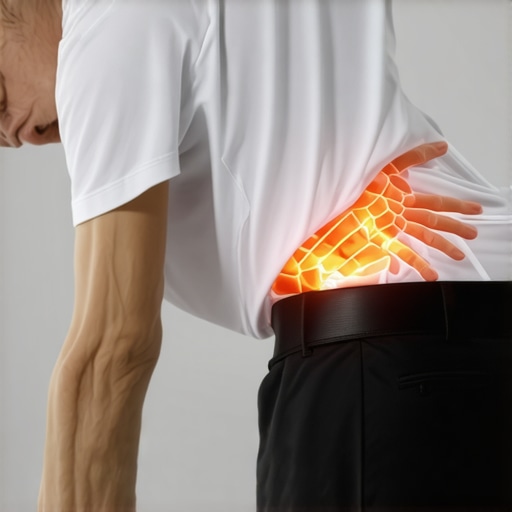
Ever felt that sudden jolt of sharp pain shooting down your leg when you bend or sit for too long? I know I have. For years, I struggled with the frustration of limited movement and constant discomfort, thinking I just had to live with it. But then came a lightbulb moment that changed everything. I discovered that with the right approach, I could actually manage my sciatic pain and regain my mobility—sometimes faster than I expected.
Why Ignoring Sciatica Can Worsen Your Condition
Many folks, myself included initially, make the mistake of resting and avoiding movement altogether. The truth is, inactivity can make your back and sciatic nerve even more stubborn. The longer you delay addressing the root causes, the more entrenched the pain becomes. Scientific studies support this—chronic inactivity can lead to muscle weakening and poor circulation, which only amplifies discomfort and impairs mobility. That’s why adopting a proactive, strategic approach is key. For deeper insights, check out lifestyle changes for sciatic relief.
Have You Faced This Problem Before?
If you’ve ever experienced that excruciating pain or the fear that it might never get better, you’re not alone. I’ve been there, and I know how discouraging it can be. But I’ve also learned that with the right knowledge and small daily adjustments, relief is possible. Let’s explore some proven strategies that can help you move more comfortably starting today.
Strengthen Your Core for Lasting Relief
One of the most impactful steps I took was to focus on core strengthening exercises. Think of your core muscles as the foundation of a house; a solid base supports everything above. I started with simple planks and bridges, gradually increasing duration and intensity. These exercises stabilize your spine, reduce pressure on the sciatic nerve, and help prevent future flare-ups. For a detailed routine, visit these back mobility exercises.
Start Small and Be Consistent
My first attempt was messy—wobbly, shaky, and sometimes painful. But I persisted, doing a few minutes daily. Consistency beats intensity here; even gentle movements promote blood flow and healing. Think of it as watering a plant—you won’t see results overnight, but daily care makes a difference. Over weeks, I noticed increased flexibility and less pain. Keep a journal to track progress and stay motivated.
Incorporate Gentle Mobility Work
Next, I integrated gentle mobility exercises that mimic natural movements. These are not high-impact but targeted stretches and rotations that loosen stiff joints and muscles. For example, hip circles, pelvic tilts, and knee-to-chest stretches can be game-changers. I recommend doing these daily, especially after sitting for prolonged periods. They act like oil in a squeaky hinge, ensuring smooth movement and reducing nerve compression. For guided routines, check out ergonomic mobility tips.
Be Mindful of Your Posture
Poor posture was a culprit in my pain. Slouching or leaning forward while working at my desk increased sciatic discomfort. I learned to sit with my back straight, feet flat on the ground, and hips aligned. Using ergonomic supports like lumbar rolls and adjustable chairs helped maintain proper alignment. It’s like giving your spine a gentle hug—supporting it prevents strain. Regularly checking your posture throughout the day keeps pain at bay. For posture correction tips, explore posture and back pain.
Try Quick Home Remedies for Immediate Relief
If pain flares up unexpectedly, I turn to simple home remedies like cold packs, heat therapy, and gentle massage. Cold packs reduce inflammation, while heat relaxes tense muscles. I keep a bag of frozen peas in the freezer for quick application. Gentle self-massage with tennis balls or foam rollers can also ease muscle knots. These techniques act like a quick reset button, providing relief while I work on longer-term strategies. For fast relief tips, see home remedies for sciatic pain.
Build a Routine That Fits Your Life
The key is to develop a routine that integrates these strategies seamlessly into your day. I set aside 10-15 minutes morning and evening for core work and mobility stretches. Over time, these became habits, making pain management feel natural. Remember, small steps lead to significant improvements. Adjust your routine as you progress, listening to your body and avoiding overexertion. For personalized plans, consider consulting expert treatment plans.
While it’s common to focus on physical exercises and posture correction for sciatic pain, many people miss the nuanced factors that can undermine their progress. One of the most widespread misconceptions is the belief that more intense or frequent workouts always lead to faster relief. In reality, overexertion can exacerbate inflammation and delay healing, especially if your body isn’t conditioned for high-impact activities. Instead, gentle, consistent movement tailored to your specific condition yields better results. For advanced insights, visit lifestyle changes for sciatic relief.
Another common myth is that pain is an indicator of damage severity. Many assume that the more intense the pain, the worse the injury, leading to unnecessary rest or avoidance. However, pain can sometimes be a misleading signal, especially in chronic cases, where nerve irritation persists without ongoing tissue damage. This misunderstanding can cause patients to skip beneficial movements, worsening their condition over time. Understanding the nuances of nerve pain is crucial—consult an expert if you’re unsure. For a deeper dive, explore expert strategies for sciatic relief.
What Advanced Readers Need to Know About Movement and Nerve Irritation
One advanced mistake is neglecting the role of nerve mobility in recovery. Many focus solely on strengthening muscles without considering that the sciatic nerve itself needs to glide smoothly through surrounding tissues. Adhesions or scar tissue can trap the nerve, perpetuating pain even after muscle strength improves. Techniques like nerve flossing or neural gliding exercises can be highly effective but are often overlooked or improperly performed by laypersons. For detailed guidance, check out effective treatment plans.
Furthermore, some underestimate the importance of addressing underlying systemic issues such as inflammation or metabolic health. Chronic inflammation can sensitize nerves and prolong pain cycles. Anti-inflammatory diets, stress management, and proper sleep are critical yet sometimes dismissed as secondary. Integrating these lifestyle factors with physical therapies creates a comprehensive approach that enhances long-term outcomes. For evidence-backed strategies, visit ultimate guide to sciatic relief.
Have you ever fallen into this trap? Let me know in the comments.
When it comes to keeping your progress with sciatic pain management, having the right tools at your disposal can make all the difference. Over time, consistent use of specialized equipment, apps, and techniques ensures sustained relief and helps prevent setbacks. In this article, I’ll share the exact resources I rely on personally to maintain mobility and comfort, along with insights into where this trend is heading.
Invest in Quality Foam Rollers and Massage Tools
One of my most valued tools is a high-density foam roller. I use it daily to release muscle knots and improve circulation around my lower back and hips. A dense roller provides deeper tissue massage, which is essential for breaking down adhesions that can trap the sciatic nerve. I also incorporate tennis balls or massage balls for targeted relief on specific trigger points. Using these tools regularly helps maintain tissue elasticity and prevents tightness that could re-aggravate my condition. For best results, I follow routines outlined in these mobility exercises.
Leverage Mobile Apps for Guided Exercises
Technology has advanced to the point where mobile apps can guide you through personalized mobility and strengthening routines. I personally use apps like PhysiApp and Sworkit, which offer tailored programs for back health. These apps remind me to stay consistent, track my progress, and adapt routines based on my evolving needs. As I see it, this digital approach is where the future of long-term pain management is heading—integrating real-time feedback and customization to maximize results.
Use Ergonomic Accessories to Support Posture
Maintaining proper posture is critical, especially during prolonged sitting. I recommend investing in ergonomic supports like lumbar rolls, adjustable desks, and footrests. These tools help keep your spine in optimal alignment, reducing pressure on the sciatic nerve. I personally swear by a lumbar cushion, which I keep on my office chair; it’s a simple yet effective way to prevent strain throughout the day. For more ergonomic tips, see these ergonomic solutions.
Monitoring and Adjusting with Wearable Technology
Wearable devices like fitness trackers or smart posture monitors help me keep an eye on my daily activity levels and posture quality. Devices such as the Upright Go or WHOOP strap provide real-time feedback, alerting me if I slouch or sit too long. This data-driven approach allows me to make immediate adjustments and stay aligned with my long-term goals for mobility. Moving forward, I predict that integrating AI-driven wearables will become standard, offering even more personalized guidance.
How do I maintain sciatic health over time?
The key to long-term success is a combination of consistent use of these tools and ongoing education. Regularly revisiting expert resources like lifestyle adjustments and staying updated on new therapies ensures your approach remains effective. Also, don’t forget to schedule periodic check-ins with a healthcare professional to fine-tune your routine and prevent any setbacks. Remember, your body adapts—your tools should too.
Start incorporating one or two of these tools today, and see how they help you stay on top of your sciatic health. The future of pain management is all about personalized, tech-enabled solutions that empower you to live pain-free for the long haul.
The Hardest Lesson I Learned About Sciatic Pain
One of the most valuable lessons I discovered was that pushing through pain with aggressive workouts often worsens the condition. Gentle, consistent movement beats overexertion every time, allowing nerves and muscles to heal gradually. I used to think more was better, but I learned that patience and moderation are key to long-term relief.
3 Myths About Sciatica That Held Me Back
I believed that rest was the only solution, which only made my pain persist longer. Another misconception was that pain equals damage severity, leading me to avoid movement unnecessarily. Busting these myths was a game-changer, teaching me to listen to my body and incorporate safe, targeted exercises instead of avoiding activity altogether.
What Experts Won’t Tell You About Managing Sciatic Nerve Pain
One insight most overlook is the importance of nerve glide techniques, like nerve flossing, which help the sciatic nerve move freely through tissues. Additionally, systemic factors such as inflammation and stress play a crucial role in pain cycles. Addressing these with lifestyle changes amplifies recovery, making relief more sustainable over time.
My Essential Toolkit for Sciatic Relief
High-density foam rollers are my go-to for releasing muscle knots and improving circulation. I also rely on guided mobility apps like PhysiApp for personalized routines, and ergonomic supports like lumbar cushions to maintain proper posture. These tools empower me to stay proactive and prevent flare-ups, supporting my journey toward lasting relief.
Where to Go from Here
If you’re serious about overcoming sciatic pain, start small by incorporating gentle exercises and ergonomic adjustments today. Consistency and patience are your best allies—every small step adds up to a significant breakthrough. Remember, relief is within your reach, and the right strategies can help you live pain-free. For tailored guidance, explore expert treatment plans and trusted resources that keep you informed and motivated.
Your Turn to Take Action
Have you ever struggled to find the right balance between activity and rest for sciatic pain? Share your experiences below—I’d love to hear what worked for you and what didn’t. Let’s support each other on this journey to better mobility and comfort.
,

![4 Sneaky Habits Making Your Sciatica Worse in 2026 [Fix Fast]](https://bodyrenewtherapy.com/wp-content/uploads/2026/02/4-Sneaky-Habits-Making-Your-Sciatica-Worse-in-2026-Fix-Fast.jpeg)