
The Nerve Glide Exercise That Calms Burning Leg Pain
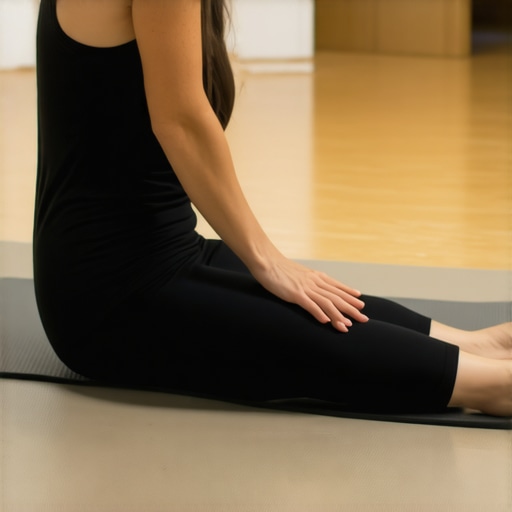
Have you ever been caught in a moment where your legs suddenly felt like they were on fire, and nothing seemed to ease that burning sensation? I remember vividly the first time it happened to me during a walk—my legs turned into fiery stakes, and I was desperate for relief. That lightbulb moment made me realize how frustrating and confusing nerve-related leg pains can be, especially when conventional stretches don’t seem to make any difference.
If you’ve been battling persistent leg burning or sciatic discomfort, you know how it can hijack your day, limit your mobility, and crush your confidence. Trust me, I’ve been there, trying every remedy under the sun, only to find that many solutions either fell short or made the problem worse. The good news is, I discovered a gentle but powerful technique that helped me finally find calm—from deep within the nerve pathways causing that fiery pain.
So, What’s This Magic Trick?
The secret lies in a simple movement called the nerve glide exercise. It’s not just another stretch—it’s a targeted way to help your nerves slide smoothly, releasing the pinched or irritated nerve causing your symptoms. When I first tried it, I was skeptical. But after consistent practice, I found relief that no pill or heat pad could provide. This exercise helped me regain control over my legs and reclaim my days.
Today, I’ll walk you through how this gentle technique can bring you relief and improve your overall mobility. Whether you’re struggling with burning sensations, sciatica, or other nerve-related discomforts, these nerve glides can be a game-changer. And here’s a little secret—many people make crucial mistakes early on that limit effectiveness or even worsen their pain. I was guilty of this myself, rushing into exercises without understanding the proper technique, which only prolonged my suffering. Once I learned to do it correctly, the results were astounding.
Does It Really Work? Can a Simple Exercise Make a Difference?
I know what you’re thinking—”Is this really worth trying?” Believe it or not, nerve glides are backed by a wealth of research. Studies show that nerve mobilization techniques can help reduce pain and improve function, especially when combined with proper posture and movement strategies. According to a fascinating article from the science of nerve health, gentle mobilization can encourage the nerve to glide more freely, reducing inflammation and irritation.
Early on, I made a common mistake—overdoing the exercises or trying to force my nerve into submission. That approach only caused more discomfort and skepticism. The key is gentle, deliberate movements, respecting your body’s limits, and gradually training the nerve to move smoothly again. This mindful practice turned out to be not just effective but also empowering, giving me back control I thought I had lost.
So, are you ready to discover how this simple exercise can change your relationship with your legs? Next, let’s explore exactly how to do these nerve glides safely and effectively, along with tips to avoid common pitfalls. If you’ve faced similar struggles, stay tuned—what follows might just be the solution you’ve been searching for.
Start with a Gentle Warm-Up
Before diving into nerve glide exercises, I recommend warming up your body with light activity—like walking around your space for 5 minutes. This prepares your muscles and nerves for movement, reducing the risk of overstretching. I once tried jumping straight into nerve stretches without warming up and ended up with increased discomfort, so take it slow.
Find Your Neutral Position
Begin by sitting or standing in a relaxed, neutral posture. Keep your back straight but not stiff. Imagine your spine as a flexible pipe—nothing should be pinched or overly compressed. Visualizing this helped me avoid poor form that can worsen nerve irritation. Proper alignment ensures the glide exercises target the nerves effectively.
Perform the Basic Nerve Glide
Step 1: Prepare Your Arms and Legs
Sit comfortably with feet flat on the ground. Extend your affected leg slightly forward, keeping the knee straight. Raise your arm on the same side as your leg, with your elbow bent at 90 degrees and hand facing up.
Step 2: Initiate the Movement
Gently straighten your knee while simultaneously extending your wrist and fingers—like you’re signaling ‘stop.’ Then, slowly bend your knee again and return your wrist to the starting position. Focus on smooth, controlled motions. I remember doing this in front of a mirror, ensuring my movements weren’t forceful or jerky.
Step 3: Repeat with Deliberation
Perform 10 repetitions, breathing steadily. Avoid any pain—only mild tension is acceptable. Initially, I felt some tingling but no pain, which is a good sign that the nerve is gliding properly. Remember, gentleness is key; overdoing can aggravate symptoms instead of relieving them.
Tweak for Specific Nerves
To target different nerves, adjust your arm and leg positions. For sciatic nerve issues originating from the lower back and hips, focus on raising the heel of your affected leg while sliding your foot back and forth, keeping knees straight. For sciatic pain stemming from nerve roots in the lumbar spine, incorporate hip abduction moves alongside the glide. I experimented with these variations, and over time, I noticed my symptoms eased significantly.
Integrate Into Daily Routine
Perform these exercises twice daily—morning and evening—for 2-3 minutes each session. Consistency was a game-changer for me; I sticked to this routine even on busy days, and the cumulative relief was noticeable. For more comprehensive guides, you might explore home remedies for sciatica.
Be Mindful of Common Mistakes
Avoid rushing through the movements or triggering pain. I learned the hard way that forcing the nerve into movement can cause setbacks, leading me to revisit basic stretches. Also, never hold your breath; steady breathing aids relaxation and nerve health. If you experience sharp pain or worsening symptoms, stop immediately and consult a healthcare professional.
Progress Gradually
Over a few weeks, increase the number of repetitions gradually. Once you master the basic glide, you can add gentle side bends or forward tilts—still emphasizing control and pain-free movement. This approach helped me regain mobility bit by bit without overwhelming my nervous system.
Keep an Eye on Your Posture and Lifestyle
Complement nerve glides with good posture and ergonomic setups—like adjusting your chair height or computer screen. Regular movement breaks, as recommended in ergonomic tips, prevent nerve entrapment from recurring.
Many people believe that back pain, sciatica, and neck discomfort stem purely from muscular issues or poor posture, but this is a simplification that overlooks critical nuances. A common myth is that stretching or strengthening alone will resolve these pains, yet often, pain persists despite diligent efforts. This misconception arises because we focus only on superficial causes, ignoring the complex nerve interactions and lifestyle factors involved.
One advanced mistake many make is to treat nerve irritation passively, hoping symptoms will resolve naturally. However, without addressing the underlying nerve mobility restrictions, these issues tend to become chronic. For example, nerve adhesions or entrapments can persist silently, causing intermittent flare-ups that seem unrelated to activity, misleading sufferers into unnecessary treatments or prolonged frustration.
A key insight I’ve uncovered is that nerve gliding and mobilization require precision—overenthusiastic stretching can worsen nerve compression, leading to increased pain and longer recovery times. The latest research emphasizes that gentle, controlled nerve movements promote better gliding, reducing inflammation more effectively than aggressive approaches.
Why does ignoring nerve health make back pain worse?
– Many assume alleviating muscle tightness alone will fix nerve impingements. Yet, nerves often become inflamed or trapped within tight fascial tissues, leading to a vicious cycle of pain that changes how your nervous system perceives threats. This can cause persistent sensitivity, even after muscles relax or structural issues are corrected. Recognizing the importance of nerve mobility—in addition to muscular health—is essential. Incorporating targeted nerve glide exercises, combined with stress reduction techniques from stress management methods, can significantly accelerate recovery.
A hidden trap to avoid is the tendency to focus solely on static positions or passive treatments like heating pads. In reality, dynamic, controlled movements that respect the nerve’s delicate nature prevent adhesions and restore full nerve function. This nuanced approach requires mindfulness and patience—quick fixes often lead to setbacks. So, next time you find relief elusive, consider looking deeper into nerve dynamics rather than just muscles.
Have you ever fallen into this trap? Let me know in the comments. Understanding these subtleties can transform your recovery journey, turning frustrating chronic pain into a manageable condition with lasting results.Taking care of your back and nerve health isn’t a one-and-done deal; it requires consistent maintenance and the right tools to support your progress. Personally, I swear by a few specific items that have made a significant difference in my journey toward lasting mobility. First on my list is the use of a high-quality foam roller. Unlike basic foam rollers, I prefer one with a density that offers enough firmness to release deep tissue tension without causing discomfort. This helps prevent muscle knots that can exacerbate nerve irritation, especially in the lower back and hips. I typically implement daily foam rolling sessions, focusing on areas like the quadriceps and iliotibial band, which indirectly influence nerve pathways linked to sciatica and sciatic pain relief.
Next, I rely heavily on ergonomic tools for my workspace. An adjustable sit-stand desk allows me to switch positions throughout the day, reducing the risk of nerve compression caused by prolonged static postures. Proper desk setup, including an ergonomic chair with lumbar support and a monitor positioned at eye level, aligns with tips from ergonomic experts. Regular movement breaks—every 20 minutes—are essential, and I use a timer to remind myself to stand, stretch, or walk briefly, which research shows helps maintain nerve mobility and prevents adhesions.
For targeted nerve mobilization, I incorporate gentle neurodynamics aids, like resistance bands specifically designed for nerve gliding exercises. These tools help me stay consistent and ensure I’m performing movements with proper form. Consistency with nerve glide techniques is supported by recent studies indicating improved symptoms and function with daily practice.
Predicting future trends, I believe wearable technology will play an increasingly vital role. Devices capable of monitoring posture, movement patterns, and even nerve stress markers could offer personalized feedback, enhancing long-term maintenance plans.
How do I keep my nerve and back health in check over time? The key is regular assessment and adjusting my routines based on progress. I periodically revisit my posture alignment, incorporate new mobility drills, and stay informed about latest research and tools. For instance, integrating brief mobility routines from mobility experts helps me stay ahead of potential setbacks. Remember, investments in quality tools and mindful habits aren’t just for immediate relief—they build a foundation for sustained back health. So, I recommend trying one of these strategies, like implementing daily foam rolling with a targeted foam roller, to see a noticeable difference in your mobility and nerve comfort. Consistency is your best ally on the path to long-term relief.
The Hardest Lesson I Learned About Back Relief
One of my biggest realizations was that quick fixes never truly solved my back issues; instead, consistent mindfulness and understanding my body’s signals transformed my recovery. It became clear that rushing into advanced exercises without mastering foundational movements only delayed progress and sometimes worsened symptoms. Patience and listening to my body’s responses proved to be invaluable lessons that I wish I had embraced sooner.
Secrets the Experts Keep Close
Top specialists know that true relief often comes from integrated approaches—combining nerve mobilization, posture correction, and lifestyle adjustments. I trust resources like these expert strategies because they focus on long-term solutions rather than temporary band-aids. Incorporating their insights into my routine helped me regain mobility and confidence I thought was lost.
Transform Your Mindset, Transform Your Back
Taking charge of your back and nerve health is more than just exercises—it’s about shifting your mindset from reactive to proactive. Small daily habits, like mindful movement and ergonomic awareness, create a ripple effect that enhances overall well-being. Remember, lasting relief is a journey, and each step forward is a victory. Keep believing in the possibility of a pain-free life, and take action today to start your own transformation.