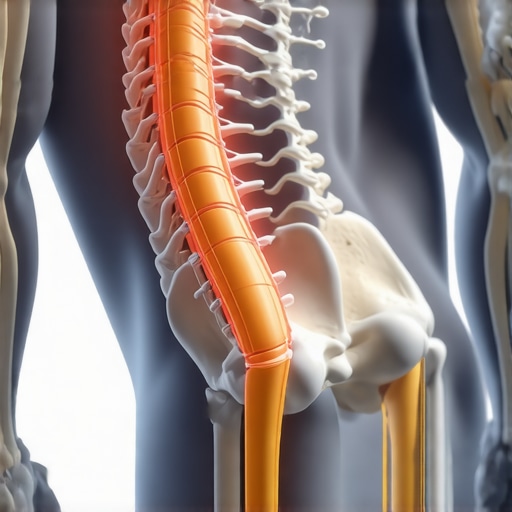
It was a typical Tuesday morning when I first felt that sharp, burning sensation shooting down my sciatic nerve. I was rushing to get ready for work, ignoring the twinges in my lower back, dismissing them as just a passing discomfort. But as I hurried out the door, the pain intensified—suddenly, I found myself unable to sit comfortably, desperate for relief. That moment was a wake-up call. I realized I couldn’t ignore these signals anymore, and I had to take charge of my recovery.
Why Your Sciatica Might Be Making Life Unbearable
Chronic sciatica can sneak up on you, turning everyday tasks into painful hurdles. Whether it’s that persistent buttock burning or radiating pain down your leg, it’s more than just an annoyance—it’s a signal that something needs attention. I discovered that many people underestimate how much their daily habits contribute to this condition. Small tweaks, however, can make a world of difference in how you feel. If you’ve been battling discomfort and feel like nothing’s working, trust me—I’ve been there, and I’ve uncovered strategies that really do change the game.
Is Sciatica Relief Just a Fad?
Early on, I made the mistake of blindly following quick fixes advertised online, expecting instant miracles. That only led to frustration. The truth is, effective relief comes from understanding your body and making consistent, mindful changes. Remember, not all remedies are created equal. If you’re skeptical, you’re not alone—many fear these methods won’t work for them. But I’ve found that with patience and the right guidance, lasting relief is possible. Want to learn how to start? Check out this comprehensive guide on the link between posture and back pain to understand where your troubles might originate from.
So, are you ready to discover the proven techniques that helped me relieve my sciatic pain and regain mobility? Let’s dive into the practical steps I wish I knew earlier, so you don’t have to suffer in silence any longer.
Start With Gentle Movement
Remember when I first attempted to stand up after sitting for hours? My legs felt like they were asleep, and my lower back ached fiercely. I learned that constriction worsened pain, so I began with simple stretches like pelvic tilts. These mimic natural spinal movements, helping to lubricate joints and release tension. Incorporate movements like knee-to-chest stretches in the morning to awaken your spine. Consistency is key; even five minutes daily can make a significant difference in pain reduction. For comprehensive mobility tips, check out these exercises.
Refine Your Posture Habits
During a particularly stressful week, I realized I was slouching at my desk, which intensified my sciatic discomfort. Proper posture prevents undue pressure on the sciatic nerve. Think of your spine as a stack of books; if one is tilted, the entire stack becomes unstable. I adjusted my chair height and used lumbar support to keep my back straight. Regularly assess your positioning—ensure your feet are flat on the ground and your monitor is eye level. Small changes, like avoiding crossing legs or leaning forward, cumulatively reduce nerve compression. For detailed ergonomic adjustments, visit this guide.
Targeted Home Remedies for Quick Relief
One evening, I felt a sudden surge of pain radiating down my leg. I remembered quick remedies like ice packs and gentle stretches to temporarily ease discomfort. Applying an ice pack wrapped in a towel for 15 minutes reduces inflammation, while gentle piriformis stretches relieves nerve compression. I avoided aggressive movements, focusing instead on soothing techniques. Over time, these at-home strategies provided relief, especially when combined with mobility exercises. Explore these remedies for effective immediate relief.
Incorporate Strength Training
I once overlooked the importance of strengthening core muscles until a flare-up left me immobile. Weak core stability can exacerbate sciatic pain by destabilizing your pelvis and spine. I began with bodyweight exercises like planks and bridges, gradually increasing intensity. Strengthening these muscles acts like a supportive corset, alleviating nerve pressure. Be cautious to avoid movements that strain the lower back. For detailed routines, refer to this guide.
Mind Your Daily Activities
One memorable day, I realized lifting heavy grocery bags was worsening my pain. Reassessing my movements revealed that improper lifting puts undue stress on the lower back. Always bend at the hips and knees rather than the waist, keeping your back straight. Use your legs to lift, and avoid twisting your spine. If prolonged sitting or standing causes discomfort, take short breaks—stand, walk, and stretch to prevent stiffness. For more actionable tips, explore these strategies.
Prioritize Restorative Sleep and Stress Management
On nights when stress kept me tossing and turning, my back pain worsened. Tension from stress tightens muscles, aggravating nerve issues. I adopted relaxing routines before bed—deep breathing, meditation, and proper pillow support. A supportive pillow maintains neck alignment, preventing strain that can cascade down and affect the spine. Managing stress is essential for pain relief; consider techniques like mindfulness or gentle yoga. For sleep-specific solutions, see these tips.
Many individuals assume that tight muscles are the primary cause of mobility issues or pain, but this is often a misconception. In reality, stiffness can sometimes be a protective response to underlying instability or nerve irritation, not the root problem itself. For example, hardening of muscles around the neck or back might be your body’s way of safeguarding vulnerable areas, as explained by experts in musculoskeletal health. Therefore, simply stretching tight muscles without addressing the underlying causes may provide only temporary relief and could even exacerbate symptoms. Additionally, a common myth is that rest cures all; however, prolonged inactivity weakens supporting structures, increasing vulnerability to pain and dysfunction.
Another nuance many overlook is the importance of movement quality over quantity. Gentle, controlled movements that promote joint and nerve health are far more effective than vigorous or repetitive motions that might strain already compromised tissues. This is why consistent, mindful mobility routines are emphasized in advanced protocols, and skipping these nuances can hinder progress.
Beware of the trap of symptoms masking the real issue. For instance, some individuals seek quick-fix treatments for sciatica, like nerve gliding exercises, without a comprehensive assessment. While nerve mobilization can be beneficial, it may not be suitable if underlying issues like disc degeneration or joint restrictions are overlooked—an oversight that can lead to persistent or worsening symptoms.
To understand the complexity behind these conditions, consider that posture, stress, and lifestyle factors compound the problem. Chronic poor posture, for example, doesn’t just cause pain; it alters biomechanics and can lead to nerve compression over time. Addressing these factors holistically often yields better, long-lasting results.
Are you falling into any of these common traps? If so, it might be time to evaluate your approach. For tailored advice, explore strategies discussed in our guide on the link between posture and back pain. Taking a nuanced, informed approach is key to overcoming mobility and pain issues effectively.
Investing in the Right Tools Makes All the Difference
To maintain your mobility and prevent setbacks, embracing effective tools is crucial. I personally swear by a high-quality foam roller, specifically a dense, firm roller, which I use daily to release muscle tightness and improve my fascia mobility. Unlike softer rollers, the firm variety allows for deeper tissue work, helping to break up adhesions that can contribute to nerve compression. Additionally, a posture correction device, like a detachable lumbar support pillow, has become indispensable during long workdays, ensuring I maintain spinal alignment and reduce undue pressure on my sciatic nerve. Remember, these aren’t just gadgets—they’re investments in your long-term health.
If you’re serious about sustaining your progress, integrating a wearable activity tracker that monitors your daily movement can provide valuable insights. Devices like Fitbit or Apple Watch can remind you to stand and move, preventing prolonged periods of inactivity that exacerbate back issues. These tools track your movement patterns, encouraging you to stay active throughout the day, which is vital for overall spinal health.
What’s the Future of Maintenance Tools in Back and Neck Care?
Looking forward, innovation in this space is leaning towards smart, AI-powered devices that adapt to your specific needs. Imagine a device that analyzes your movement and muscle tension in real time, then recommends personalized stretches or adjustments. Virtual reality (VR) applications are also emerging, offering immersive environments for guided mobility exercises, making routine maintenance engaging and effective. As technology progresses, these tools will likely become more accessible and tailored, empowering you to take control of your recovery journey from home.
For now, incorporating a quality foam roller and ergonomic supports into your routine, combined with mindful movement (see these lifestyle changes), can preserve your progress effectively. Remember, consistency is key—try using your foam roller for just five minutes daily, targeting areas like the lower back and hips. Such habits can lead to lasting improvements and prevent future flare-ups.
How do I maintain mobility over time?
Creating a sustainable maintenance routine involves understanding that long-term benefits come from regular practice. Schedule daily mobility exercises, like gentle stretches and strengthening routines from these effective routines, and stay committed. Setting reminders and tracking progress can motivate you to remain consistent. Be attentive to your body’s signals—if you notice increased stiffness or discomfort, address it immediately with targeted tools and exercises before it develops into a bigger problem.
Moreover, consulting with a specialist periodically—whether through virtual assessments or in-person visits—ensures your approach evolves with your changing needs. Remember, proactive maintenance not only prolongs your mobility but enhances your quality of life, allowing you to enjoy movement free from pain.
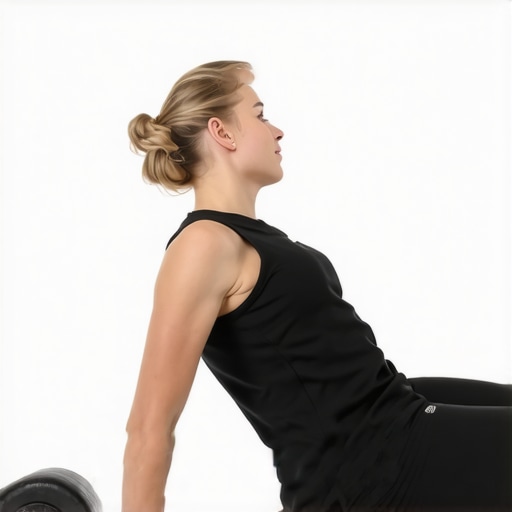
Over the years, I’ve come to realize that healing from sciatic pain is as much about mindset as it is about techniques. One of the most profound lessons I learned was that pushing through pain often deepens discomfort; gentle patience and listening to my body made all the difference. I also discovered that consistent small habits outweigh sporadic intense efforts, and that understanding the root causes—like posture or stress—empowers lasting recovery. Lastly, I found that embracing a holistic approach, blending movement, ergonomics, and mental wellness, offers a comprehensive shield against future flare-ups. These insights didn’t just change my recovery journey—they transformed my entire perspective on mobility and pain management, reminding me that the path to relief is a marathon, not a sprint.