
Stop Tucking Your Tailbone When You Squat
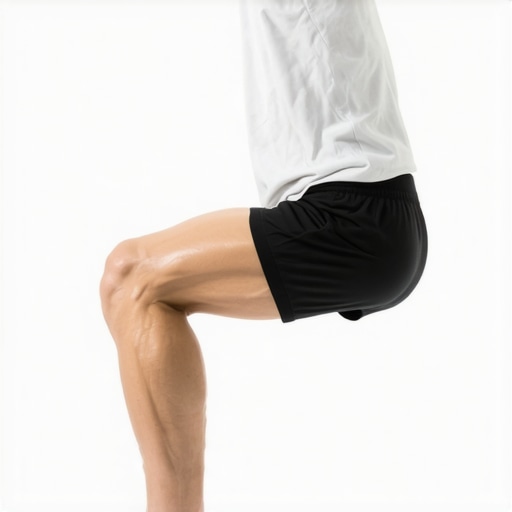
I remember the first time I tried to master a proper squat, feeling confident and ready to crush my workout. But instead of feeling strong and energized, I ended up with a nagging lower back ache that wouldn’t go away. Turns out, I was unknowingly making a common mistake that many enthusiasts overlook: tucking my tailbone too aggressively. That lightbulb moment made me realize how a tiny adjustment could mean the difference between a pain-free squat and lingering discomfort. Have you ever experienced a similar frustration, pushing through progress only to be hampered by pain or instability?
Why Your Approach to Tucking Can Undermine Your Goals
In the quest for a perfect squat, many focus solely on depth and form, often ignoring the subtle cues from their hips and pelvis. The tendency to tuck the tailbone excessively is rooted in the desire to flatten the lower back, aiming for a ‘neutral’ spine. But this oversimplifies the complex biomechanics at play. When I first started, I believed that tucking my tailbone tight was the way to protect my back. However, I discovered that doing so actually restricted natural movement and disrupted the engagement of my glutes and core muscles. This mistake can cause your pelvis to tilt unnaturally, leading to increased strain on your lumbar spine and, over time, contributing to chronic back pain. It’s a common pitfall I’ve seen in many clients and peers who think they’re doing the right thing but unknowingly sabotage their progress.
Supporting this, research shows that improper pelvic positioning during squats can increase stress on your lower back, potentially leading to injury if not corrected (see [here](https://bodyrenewtherapy.com/is-your-back-pain-a-sign-of-something-more-serious-key-symptoms-to-watch)). Instead of rigidly trying to flatten your back, focusing on maintaining a balanced, natural curve is more effective—and safer.
If you’ve faced that confusing moment where your form feels right but discomfort persists, you’re not alone. The good news is that understanding the nuances of hip and pelvis positioning can unlock better mobility, strength, and long-term health. So, what exactly should a proper squat look like in terms of tailbone and pelvic position? Let’s dig into that so your next squat feels stable, powerful, and pain-free.
Find Your Neutral Pelvis Position Before You Start
Begin by standing tall and placing your hands on your hips. Gently tilt your pelvis forward and backward until you feel a natural, balanced curve in your lower back. Visualize your pelvis as a bowl of water; aim to keep it level, preventing spills or tilt. During my first attempt, I aligned my pelvis this way, and immediately, my back felt less strained. This fundamental step sets the foundation for a proper squat and helps avoid undue stress on your lumbar spine.
Engage Your Glutes and Core Actively
As you prepare to squat, consciously tighten your buttock muscles and draw your lower belly inward. Think of bracing your core like preparing for a gentle punch—firm but not stiff. During a session, I used this cue and noticed a significant reduction in lower back discomfort. Active engagement of these muscles supports your pelvis, maintains proper spinal alignment, and prevents it from tilting forward or backward during movement.
Maintain Pelvic Balance During Descent
As you lower into the squat, focus on keeping the pelvis in its neutral position. Imagine your pelvis as a tripod; all three points—front (pubic symphysis) and two sides—should stay level. Avoid over-tucking or sticking your tailbone out excessively. I found that intentionally visualizing a horizontal line across my hips helped me stay balanced. This practice ensures proper hip hinge movement, fostering stability and reducing strain on your lower back.
Incorporate Breathing to Support Alignment
Take a deep breath before descending, expanding your diaphragm, and brace your core as you inhale. Exhale gradually as you ascend. Proper breathing acts like a built-in protective brace, locking your spine into its optimal position. When I remembered to breathe consciously, I noticed my pelvis remained steadier throughout the squat, minimizing unintended tilts or warding off discomfort.
Practice Controlled, Repetitive Cues
Consistency is key. Use tactile cues like placing your hands gently on your hips or thighs to feel your pelvis. Repeat your mental checklist—neutral pelvis, engaged core, active glutes—before every set. Over time, this becomes second nature, reducing guesswork and averting habitual misalignments that lead to pain. I dedicated five minutes daily to this mindful check, which gradually ingrained better habits.
Adjust and Progress Gradually
Start with shallow squats focusing exclusively on pelvis position. Once comfortable, deepen your squat while maintaining control. Avoid rushing, which can tempt you to slip into improper pelvic tilt. Remember that mastering these core concepts is similar to tuning a musical instrument: small, precise adjustments lead to harmony and pain-free movement. Each session, I monitored my pelvic cues and adjusted accordingly, noticing a steady improvement in mobility and reduction in back issues.
Many individuals assume that sciatica, neck pain, or general back discomfort stem solely from isolated injuries or straightforward postural issues. But in my experience, a significant misconception lies in oversimplifying these conditions, often leading to ineffective treatments and prolonged suffering. Contrary to common belief, chronic pain isn’t always about the local area; it frequently reflects deeper, systemic imbalances or neural sensitivities that many overlook. One myth I frequently encounter is the idea that strict bed rest or complete immobilization helps heal nerve-related pain. Actually, evidence suggests that gentle movement and targeted mobility exercises are far more beneficial in promoting nerve health and reducing inflammation (see [here](https://bodyrenewtherapy.com/boost-your-back-mobility-simple-exercises-that-make-a-difference)).Maintaining your spinal health over time requires the right tools and consistent habits. Personally, I rely heavily on a high-quality lumbar support pillow during long drives or sedentary periods. This accessory corrects postural slumps, reducing strain on your lower back, especially if you spend hours at a desk. I prefer the Memory Foam Lumbar Support Pillow because it molds to my lumbar curve, offering customized support that keeps my spine aligned and prevents discomfort. For everyday mobility exercises, I use a resistance band—I’ve found that incorporating simple mobility drills with a resistance band enhances flexibility and stability, making daily movements more effortless and safe. These tools are invaluable in my routine, but they also evolve with new technology. In the future, I predict smart, wearable devices that monitor posture in real-time and provide immediate feedback, further empowering us to keep moving pain-free over decades.
How do I maintain my mobility and prevent setbacks over time?
Consistent use of ergonomic tools combined with tailored exercises is key. Regularly checking your posture with tools like foam rollers or even apps that analyze your movement can preempt issues before they escalate. I recommend integrating these tools into your daily regimen to reinforce good habits, similar to how athletes use tech to optimize performance. Remember, long-term health is about prevention, not just treatment. For advanced mobility principles and expert strategies on maintaining an active spine, visit our Mobility Mastery guide, and consider trying the 30-second wall slide exercise—it’s a game-changer. Keeping your tools sharp and your routine consistent will ensure your back stays resilient and flexible for years to come.
Throughout my journey dealing with back pain and mobility challenges, I’ve realized that the most profound breakthroughs often come from little shifts in how we understand our own bodies. These revelations aren’t high-tech secrets; they’re simple, actionable insights that transform your approach to pain management and movement. Embracing these lessons can unlock long-term relief and resilience you might not have believed possible.
The Challenging Truth About Common Myths
One of the toughest lessons I learned was that misconceptions like rigidly tucking the tailbone for a ‘neutral’ spine often hinder progress. These beliefs can lead to unnecessary tension, aggravate pain, and diminish performance. It took trial, error, and honest reflection to see that a balanced pelvis, rather than a perfectly flat back, is what truly matters. Recognizing this shifted my focus from fixating on ‘perfect form’ to cultivating a natural, adaptable alignment. The key realization? Pain often stems from imbalance, not from doing something ‘wrong’ but from applying techniques out of context.
My Must-Have Tools for a Resilient Back
Over the years, I’ve curated a set of tools that support ongoing mobility and comfort. The resistance band helps me activate my glutes and core daily, reinforcing proper pelvis position. A high-quality lumbar support pillow keeps my spine aligned during long sitting periods. Lastly, integrating mobility exercises into my routine has been game-changing. These tools collectively have allowed me to regain control and prevent setbacks, turning pain into progress.
A Heartfelt Reminder: Your Body is a Portfolio of Wisdom
Looking back, the most meaningful change was trusting my body’s signals rather than blindly following generic advice. Deep listening, combined with intentional gentle adjustments—like focusing on pelvic neutrality, breathing effectively, and engaging core muscles—has empowered me to cultivate lasting mobility. This approach isn’t just about fixing pain; it’s about nurturing a resilient, expressive body that works with you, not against you. I encourage you to embrace this personalized perspective, because your body has a unique story, and with mindful practice, you can rewrite its narrative toward vitality and strength.
What’s Your Next Step Toward Movement Mastery?
Now that you’ve uncovered some of these personal insights, I invite you to reflect on your own habits. Are there subtle pelvic or spinal cues you’ve overlooked? Trying targeted exercises or adjusting your daily posture could be the breakthrough you need. Remember, long-term mobility isn’t achieved through quick fixes but through consistent, informed actions. Dive deeper into comprehensive strategies at our Mobility Mastery guide, and consider implementing a simple daily check-in routine to stay aligned. Your journey to a pain-free, active life begins now—what’s one small change you’re willing to try today?