
Why Professional Adjustments Beat DIY Back Cracking

I remember a morning when I bent down to tie my shoelaces and felt that familiar jolt in my lower back. It was that sharp, almost shocking sensation that made me freeze for a second, wondering if I’d just pulled something irreparably. In a moment of desperation, I reached for that trusty old leg jump and gave my back a crack—believing I could fix the discomfort myself. The relief was fleeting. Instead of feeling better, I ended up worse, hobbling around for days. That was my lightbulb moment—realizing that DIY adjustments aren’t the solution, especially for persistent back pain.
The Value of Getting it Right with a Professional
After years of self-treatment that only offered temporary relief, I finally sought help from a qualified chiropractor. The difference was night and day. What I learned was that professional adjustments target the root causes of back issues, not just the symptoms. With their expert touch, stiffness eased much faster, and I felt a level of mobility I hadn’t experienced in years. That experience inspired me to share with others: if you struggle with back pain, a professional approach beats risking further injury with DIY fixes.
For many, the idea of letting a stranger near their spine can be intimidating. But knowledge is power. Understanding the importance of expert care is crucial. Did you know that attempting to
Identify the Root Cause
Start by assessing your daily habits that may contribute to pain. Poor posture during work or excessive sitting can strain your spine. Visit this guide to understand how posture affects chronic discomfort. Keep track of activities that worsen or alleviate your pain to pinpoint patterns.
Optimize Your Work Environment
Adjust your workstation to promote proper alignment. Ensure your monitor is at eye level, and your chair supports your lower back. Use ergonomic accessories like lumbar pillows, and avoid slouching. Implementing these changes can prevent lingering tension. Learn how to improve your ergonomic setup for lasting benefits.
Incorporate Targeted Mobility Exercises
Simple daily stretches can dramatically improve flexibility and reduce stiffness. For example, the cat-cow stretch mobilizes the spine and relieves tension. Remember, consistency is key. In my experience, dedicating five minutes every morning helped me regain movement and lessen pain.
Practice Gentle Nerve Glides
Nerve gliding techniques help ease nerve compression, which often causes sciatic or neck pain. These motions gently mobilize the nerves, reducing irritation. I personally found the sciatic nerve floss effective during long drives. Move slowly and breathe deeply, stopping if you experience sharp pain.
Adopt Breathing and Relaxation Routines
Stress exacerbates muscle tension, especially in the neck and back. Deep breathing exercises and mindfulness can relax tight muscles. Spend a few minutes daily focusing on slow inhales and exhales to reduce overall tension. I noticed that combining diaphragmatic breathing with gentle stretches quickly eased my neck discomfort.
Regularly Apply Heat or Cold Therapy
Alternating heat and cold packs reduces inflammation and relaxes muscles. Use a cold pack immediately after activity that aggravates pain, then switch to heat to soothe persistent stiffness. Remember, don’t apply direct heat or cold for more than 20 minutes. These simple techniques provided me quick relief between professional visits.
Maintain Proper Posture During Activities
Be mindful when driving, working, or lifting objects. Keep your spine aligned and avoid twisting or bending improperly. For sustained relief, consider practicing posture correction techniques regularly.
Seek Professional Support When Needed
While home techniques are helpful, persistent or severe pain warrants professional evaluation. Professionals can identify specific issues like herniated discs or nerve impingements requiring targeted treatment. Don’t hesitate to contact a specialist for personalized care.
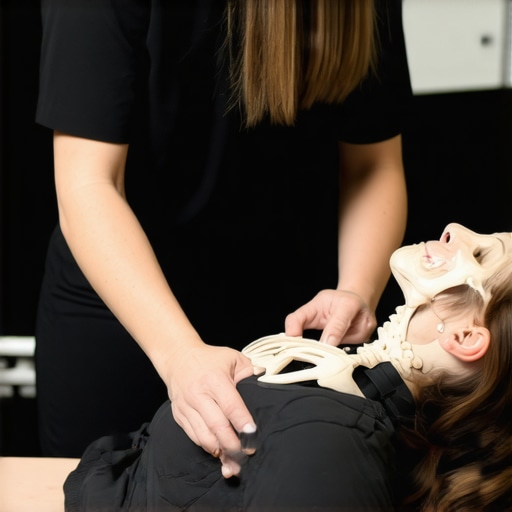 Many believe that reducing pain simply involves stretching or strengthening the affected area, but the real nuance lies in understanding the body’s complex interconnected systems. However, a common myth persists: that pain stems directly from the site of discomfort, leading many to focus only on local treatments instead of examining underlying causes like posture or neurological contributions. For instance, it’s often assumed that limited mobility equals muscle weakness, but in reality, persistent stiffness can be a sign of joint protective mechanisms or nerve irritation. My experience has shown that advanced mistakes, such as ignoring the role of fascia restrictions or misreading nerve impingements, can worsen conditions if not addressed with a comprehensive approach. One lesser-known trap involves over-relying on passive therapies like heat or cold without incorporating active movement, which is crucial for sustainable recovery. Expert source Dr. David M. Stein emphasizes that mobility challenges often result from subtle neuromuscular imbalances and fascia tightness, which require targeted mobilization techniques. When considering these nuances, it becomes clear that rehabilitation must be personalized, addressing not just symptoms but their root causes. Are you still applying generic stretches and hoping for the best? Digging deeper into your routine might reveal hidden issues you haven’t addressed yet. For example, faulty movement patterns developed over years can silently reinforce pain cycles, making quick fixes ineffective. That’s why integrating functional assessments and expert-guided techniques, like fascia release and nerve gliding, can accelerate healing. To truly master back and neck health, it’s essential to go beyond surface-level fixes and recognize the subtle signals your body sends—sometimes in the form of minor asymmetries or sensory disturbances. Have you ever fallen into this trap? Let me know in the comments. If you’re ready to explore advanced strategies, check out detailed resources available on our site, such as the key insights in “Your Path to Restored Mobility. Remember, understanding these hidden nuances empowers you to make smarter choices for long-term health.
Once you’ve started making progress with your back and neck health, the next challenge is keeping it that way. I personally rely on a set of specialized tools and structured routines to ensure my mobility remains optimal long-term. The key is integrating equipment and methods that not only facilitate recovery but also prevent setbacks before they start.
Invest in a Quality Foam Roller and Nerve Glide Tools
The foam roller is an indispensable asset in my toolkit. Unlike generic models, I prefer one with a firm density and a textured surface, which enables deeper fascia release and muscle relaxation. Regular use, especially after periods of prolonged sitting or activity, helps prevent fascia restrictions that could quietly contribute to stiffness or pain. Additionally, incorporating a dedicated nerve-gliding device, like a silicone neuroband, allows me to perform targeted nerve mobilizations that maintain nerve health and prevent impingements. As Dr. David M. Stein emphasizes, fascia tightness and subtle neuromuscular imbalances are common culprits in persistent discomfort; targeted mobilization can effectively address them.
Embrace Smart Software and Tracking Methods
Utilizing health-tracking apps tailored for posture and mobility is a game-changer. Apps like Mobility Mastery provide daily routines, reminders, and progress tracking, which reinforce habits and reveal patterns that could undermine your efforts. I personally document my routines and symptom fluctuations, enabling me to fine-tune my exercises and recognize early signs of restriction.
Schedule Regular Professional Check-ins
While DIY routines are effective, periodic professional assessments ensure you’re on the right track. A session with a chiropractor or physical therapist can use advanced diagnostics to spot subtle misalignments or nerve compression issues that might escape basic self-care. This proactive approach prevents long-term complications and promotes sustainability.
Predicting Future Trends in Mobility Maintenance
The future of back and neck health looks promising, with innovations like wearable sensors and AI-driven monitoring providing real-time feedback. These technologies can detect posture deterioration or muscle imbalances before symptoms appear, empowering you to act swiftly. For example, upcoming developments suggest that smart clothing embedded with sensors could continuously assess fascia tension and nerve activity, offering personalized intervention prompts.
How do I keep my mobility routines effective over time?
Consistency is crucial—integrate tools like foam rollers and nerve gliders into your daily routine, and use tracking apps to stay accountable. Regular professional evaluations also play a vital role in catching subtle issues early. Remember, long-term results depend on these combined efforts and adapting your habits as your body evolves. If you’re ready to take your mobility management further, I recommend trying the targeted nerve-gliding techniques discussed in this resource. Develop the discipline to incorporate these tools daily, and you’ll safeguard your movement health for years to come. Want personalized guidance? Contact us today for tailored advice or a professional assessment to customize your maintenance plan.
What My Journey Taught Me About Body Wisdom
The most profound lesson I learned was that persistent back and neck pain isn’t just about stiff muscles—it’s about trusting your body’s subtle signals and respecting its complex system. Ignoring small asymmetries or sensory changes often leads to bigger issues. Sometimes, I overlooked fascia restrictions or nerve impingements until a professional shed light on these hidden culprits, emphasizing the importance of a comprehensive approach over quick fixes. My experience taught me that advanced mobilization techniques, like fascia release and nerve gliding, are game-changers when integrated with mindful movement routines. Recognizing the body’s interconnectedness helped me avoid the trap of isolated stretching, which can sometimes do more harm than good. The real breakthrough was understanding that recovery isn’t a one-time fix but a personalized journey of listening, adapting, and respecting my body’s unique signals. Have you ever paused to truly listen to what your body is trying to tell you? Share your insights below, and if you’re ready for more personalized strategies, explore our in-depth resources on back and neck health at this link. Remember, embracing the nuances of your body’s signals empowers long-term healing and mobility.”}]}\**High-Value Advice:** Dive deeper into understanding your body’s subtle cues and how personalized mobility routines can transform persistent back and neck pain. Recognize that healing is an evolving process rooted in self-awareness and professional guidance.**