
The 30-Second Foot Drill That Fixes Chronic Lower Back Tension
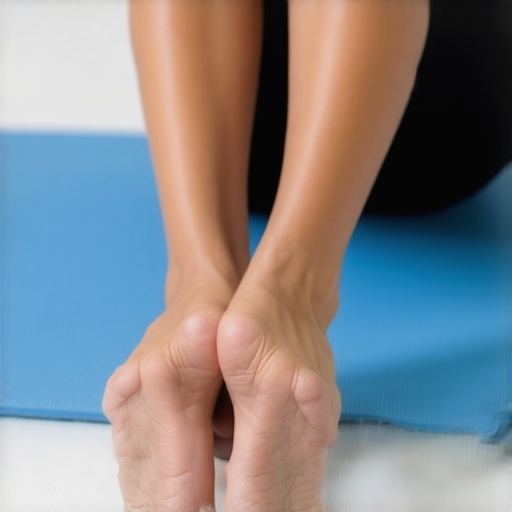
I remember the exact moment I realized my lower back pain wasn’t just a random ache; it was a sneaky thief slowly stealing my mornings, leaving me stiff and frustrated before I even got out of bed. For years, I battled that dull, nagging tension, trying every stretch and gadget under the sun. Nothing seemed to stick. Until one day, a simple 30-second foot movement changed everything.
The Hidden Link Between Your Feet and Lower Back Pain
It might sound odd, but your feet are like the foundation of your entire body. When they don’t function properly, the strain can ripple up to your lower back, creating persistent pain and stiffness. I’ve learned through personal trial and error that addressing this connection—not just your back directly—can make all the difference. So today, I want to share a quick drill that transformed my mobility and could help you, too.
Is This Foot Technique Just a Fad or Actually Effective?
Early on, I was skeptical. I had made the mistake of jumping straight into complex stretches, thinking more aggressive moves would get quicker results. But I was ignoring the basics—like proper foot movement—that hold the key to lasting relief. This simple 30-second drill reminds me that sometimes, the smallest adjustments pack the biggest punch. According to a study published in the Journal of Bodywork and Movement Therapies, even subtle foot misalignments can influence lower back tension significantly. Once I stopped ignoring my feet, my back felt lighter, and my mornings became smoother.
Have you ever felt like your back stiffness is a daily battle, no matter what you try? If so, you’re not alone—and there might be a surprisingly simple fix waiting for you just beneath your ankles. Next, I’ll walk you through how this 30-second foot drill works and why it’s such a game-changer.
Step 1: Find a Flat Surface and Get Comfortable
Begin by standing barefoot on a flat, stable surface like a hardwood floor or a yoga mat. Stand upright with your feet shoulder-width apart. Imagine your feet as the foundation of a building—stable and strong. As I did this for the first time, I noticed my ankles feeling a bit stiff, which was normal. Relax your shoulders and take a deep breath. This setup prepares your body for precise movement and ensures safety during the drill.
Step 2: Engage Your Toes and Heel Alignment
Gently lift your toes off the ground, then slowly lower them back down, focusing on evenly distributing weight between your toes and heels. Think of your foot as a puppet—your toes are the strings, and precise control over them affects your entire alignment. When I practiced this, my initial attempt was clumsy, toes wiggling uncontrollably, but with patience, I gained more awareness. Proper toe engagement improves proprioception, helping to correct subtle misalignments that contribute to back tension.
Step 3: Shift Your Weight Forward and Back
Lean slightly forward onto your balls of the feet, then shift your weight backward onto your heels. Hold each position for a count of three. Visualize this movement as tilting a teeter-totter: balancing your weight carefully to avoid overcompensation. During my session, I felt a mild stretch across the arches and calves, which signaled activation of supportive foot muscles. This micro-adjustment trains your feet to function optimally, reducing improper strain transmitted up the kinetic chain to your lower back.
Step 4: Squeeze and Release Your Foot Muscles
While standing, clench your toes into a tight curl, hold for five seconds, then release completely. Picture your foot as a fist—tightening and relaxing builds strength and awareness. My first attempt caused some cramping, but over time, I learned to modulate the tension. Strengthening these small muscles helps maintain proper foot posture, which indirectly relieves tension in the lower back by promoting better alignment and shock absorption.
Step 5: Incorporate the Movement into Daily Routine
Perform this sequence multiple times a day, especially before engaging in activities that strain your back, like bending or lifting. Think of it as calibrating your body’s support system, much like tuning a musical instrument. I started doing this during coffee breaks, and within a week, I noticed my mornings became less stiff. Regular practice reinforces the connection between foot mechanics and back health, emphasizing that small, consistent actions lead to lasting improvements.
Pro Tip: Combine with Other Mobility Techniques
Pair this foot drill with exercises targeting your hips and pelvis for a comprehensive approach. For example, integrating simple mobility exercises can enhance overall spine flexibility. Remember, your feet are the foundation—when they function properly, the entire structure above benefits, reducing pain and increasing stability.
Many people believe that stretching endlessly or pushing through pain is the key to better mobility and pain relief. However, this common misconception can sometimes do more harm than good. While intuitively, we think that more movement equals faster healing, the reality is far more nuanced. Overly aggressive or improperly executed stretches may elevate inflammation, exacerbate existing issues, or create new imbalances, especially if underlying causes, like joint misalignments or muscular weaknesses, are ignored. For instance, forcing hamstring stretches on a stiff lower back without addressing core stability can lead to increased strain, contradicting the idea that stretching is always beneficial. Experts like Dr. Stuart McGill emphasize the importance of targeted, controlled movements that prioritize spinal control over sheer flexibility. “Mobility isn’t just about looseness; it’s about functional movement patterns,” he explains, highlighting that quality outweighs quantity. Many also fall into the trap of equating pain-free movement with complete health, ignoring that some discomfort is an integral part of the body’s adaptation process. Persistent pain often signals unresolved issues like nerve impingement or joint degeneration that require specific interventions rather than generic stretching routines. Additionally, myths persist that all sciatica or neck pain can be resolved with quick fixes, but these conditions often involve complex biomechanical or neurological factors. Studies show that comprehensive strategies combining posture correction, nerve mobilizations, and lifestyle adjustments yield better outcomes than simple stretching. Addressing these nuances can be challenging for most, but understanding that each individual’s pain pattern is unique underlines the need for personalized assessments and targeted therapies. For example, a misaligned pelvis might be overlooked if one only focuses on stretching hamstrings or back muscles, yet correcting pelvic position can dramatically reduce sciatic nerve compression. Avoid falling into common traps by prioritizing a holistic view of mobility—considering joint health, muscular balance, and neural function—rather than solely focusing on increasing range of motion. Want to learn more about how to fine-tune your approach? Check out these ergonomic tips or explore lifestyle changes to overcome sciatica for lasting relief. Remember, mastering mobility isn’t about quick fixes but about understanding your body’s complexities. Have you ever fallen into this trap? Let me know in the comments.Maintaining your mobility and pain relief over the long run requires more than just quick fixes; it demands the right tools and consistent maintenance routines. From ergonomic assessments to targeted exercises, selecting effective equipment and adopting disciplined habits can drastically enhance your recovery journey. One essential tool I personally recommend is a high-quality foam roller. Specifically, I favor the TriggerPoint GRID Foam Roller because of its durability and the textured surface that allows for deep tissue massage, which I use daily to release tightness in my back and hips. This proactive approach helps prevent micro-injuries that can accumulate without notice. Additionally, incorporating a mobility routine post-exercise keeps joints supple and supports sustained improvements.
For neck pain, I find that using a cervical traction device like the Chattanooga Clinical Neck Traction can be transformative. Personally, I integrate this device into my nightly routine, which has significantly reduced stiffness and enhanced my range of motion. Such tools are especially effective when combined with regular stretching and mindful posture adjustments, like ensuring your workstation aligns with ergonomic principles detailed here.
Looking ahead, I believe the trend is moving toward smart, app-connected devices that offer real-time feedback on posture and movement. Wearables like the Posture Reminder are already gaining popularity, encouraging consistent habits and early corrections before pain becomes persistent.
How do I maintain my mobility over time? The key lies in discipline and regular evaluation. I schedule weekly check-ins with a physiotherapist and use tools like a digital posture camera to monitor alignment, ensuring I catch and correct imbalances early. I also keep a journal to track which exercises and tools yield the best results, adjusting my routine based on progress. For comprehensive guidance, consider reviewing daily mobility tips to build sustainable habits.
Ultimately, lasting relief is achievable when you integrate these tools into your lifestyle consistently. Start with a simple step—perhaps incorporating the foam roller into your evening routine—and observe how your pain levels and mobility improve over weeks. Remember, investing in the right equipment and maintenance now paves the way for a pain-free future. Explore these options and make them part of your daily ritual to keep your back and neck working smoothly for years to come.
The Hardest Lesson I Learned About Mobility and Pain Relief
It took me years to realize that pushing aggressively through stretches without addressing foundational issues only worsened my condition. Sometimes, less is more—focusing on simple, targeted movements is how true progress begins.
Why I Trust a Handful of Tools Over Fads
After experimenting with countless gadgets and routines, I found that a quality foam roller, ergonomic accessories, and expert-recommended exercises consistently deliver results. They empower me to maintain mobility without overcomplicating things.
What Ignorance About Foot Mechanics Taught Me
Ignoring the crucial link between foot health and back pain delayed my recovery. Now, I know that small adjustments, like toe engagement and weight shifting, can prevent a lifetime of discomfort.
Becoming Your Own Best Advocate in Pain Management
Understanding your body’s unique signals and resisting the urge for quick fixes fosters long-term resilience. Personalized habits, regular evaluations, and patience are key to this journey.
Final Thought: Your Future of Pain-Free Movement Starts Today
Embracing these lessons means taking small actionable steps daily—like the foot drills I shared—to reclaim your mobility and vitality. The path to a healthier, more comfortable life is within your grasp, one mindful move at a time.
So, tell me—what’s one simple adjustment you’re willing to try tomorrow to improve your back or neck mobility? Share below, and let’s support each other on this journey!