
Why Your Laptop Stand Is Not Saving Your Neck And What Does
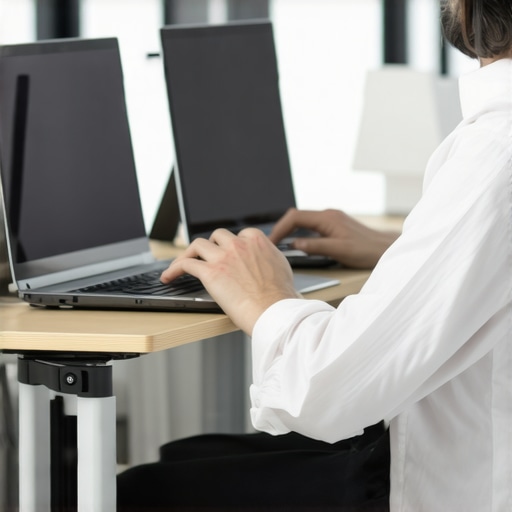
I remember the moment vividly. Sitting at my desk, eyes glued to the screen, neck tilted forward like a curious turtle poking out of its shell. Then, it hit me—this relentless tension, that dull ache creeping from my shoulders up to my head, was a warning sign I couldn’t ignore anymore. No fancy ergonomic gadget seemed to help, and I started questioning—why isn’t my trusty laptop stand doing its job? Turns out, many of us are missing a crucial piece of the puzzle, and it’s costing us more than just comfort.
Why Your Laptop Setup Might Be Sabotaging Your Comfort
As someone passionate about health and mobility, I’ve spent years digging into why so many ergonomic solutions fall short. The truth is, a laptop stand alone isn’t a magic fix. The key lies in **proper positioning**—making sure your head, neck, and spine are aligned naturally. Early on, I made a common mistake: I bought the stand, slapped my laptop on it, and called it a day. Spoiler alert—my neck pain persisted, and my posture worsened. It wasn’t until I realized I needed to adjust my entire workspace and pay attention to my body’s signals that I started to see real change.
The startling part? According to recent research, poor ergonomics can lead to over 50% of neck pain cases in office workers—and that’s not just discomfort, it can evolve into chronic issues. You can learn more about how to **boost back mobility** with simple exercises that make a difference, or explore **techniques to relieve neck pain** that are proven effective.
So, if you’re eyeing your laptop setup and wondering why that nagging pain refuses to go away—even after investing in a fancy stand—you’re not alone. It’s time to look beyond the gadget itself and consider the entire environment. Ready to discover what you might be overlooking?
Let’s unravel the secrets to transforming your workspace into a haven of comfort and health. First, I’ll share a common slip I made and how it sabotaged my efforts—so you can avoid the same pitfalls. From there, we’ll dive into how to optimize your setup for lasting relief.
Have you faced neck or back pain that just won’t quit despite your efforts? Keep reading—the solutions might be simpler than you think.
Position Your Screen and Chair Correctly
Start by adjusting your monitor so that the top of the screen is at eye level, preventing you from tilting your head down or craning it up. Sit back in your chair with your back fully supported. Imagine your spine as a stack of blocks; each block needs to be aligned to support the one above. Once I shifted my monitor and sat upright, I noticed immediate relief in my neck tension, but it required fine-tuning, like adjusting a camera until the picture is crystal clear.
Align Your Keyboard and Mouse for Comfort
Position your keyboard and mouse so that your elbows are at a 90-degree angle and close to your body, reducing shoulder strain. Keep wrists straight to avoid compression. I once kept my mouse far away, causing shoulder fatigue; moving it closer was like easing a tight knot—suddenly, everything felt smoother. This small change can prevent long-term issues and is a quick fix anyone can implement.
Use Micro-Adjustments to Find Your Ideal Posture
Experiment with slight shifts—sit a bit closer or further from the desk, adjust your chair tilt, or change your monitor height in small increments. Think of it as tuning a guitar; tiny adjustments lead to harmony. I spent a morning tinkering with my setup, and after five minutes, I experienced a significant decrease in neck stiffness—a reminder that precision in ergonomics pays off.
Create a Supportive Environment with Proper Equipment
Incorporate lumbar cushions or an ergonomic chair if possible. Elevate your feet slightly with a footrest or a stack of books to reduce pressure on your lower back. My makeshift footrest was a stack of notebooks; surprisingly, it alleviated lower-back tension and improved circulation. Investing in these simple tools can be transformative and complement your posture corrections.
Implement Dynamic Breaks to Relieve Tension
Every 30 minutes, stand up and perform gentle mobility exercises—neck tilts, shoulder rolls, or spinal twists. This is akin to giving your system a moment to reset, improving circulation and reducing stiffness. I once ignored breaks and paid the price with a fiery neck; now, a quick stretch session keeps discomfort at bay and maintains my mobility throughout the day.
Practice Breathing Techniques for Relaxation
Deep diaphragmatic breathing reduces stress-induced muscle tension, especially around the neck and shoulders. Take a deep breath in, hold for a few seconds, then exhale slowly. I started incorporating mindful breathing during breaks, noticing how much calmer and less tense I felt afterward. It’s a simple addition that supports your physical corrections and promotes overall well-being.
Many people believe that persistent back, neck pain, or sciatic issues mainly stem from structural problems or immediate injury, but this is a misconception that can hinder effective treatment. In reality, most chronic issues are exacerbated by nuanced factors like movement habits, psychological stress, and ingrained patterns of tension. For instance, the idea that “rest is always the answer” is outdated; evidence suggests that controlled movement and specific mobility exercises often promote better healing and long-term relief. Ignoring the complex interplay between muscular imbalances, nervous system tension, and even emotional stress can lead you into common pitfalls, such as over-reliance on passive treatments like braces or massage without addressing underlying movement deficiencies.
A critical trap many fall into is confusing pain with damage—believing that if it hurts, something is necessarily broken, which isn’t always true. Pain sometimes signals a protective nervous system, and pushing through it can worsen the condition. This is especially true with issues like sciatica where nerve sensitivity can fluctuate. Learning to recognize these complexities allows for smarter management. For advanced insights, professionals advocate for detailed assessments that differentiate between structural versus functional impairments, emphasizing that tailored mobility exercises often outperform generic stretching routines. To achieve sustainable relief, it’s essential to challenge these myths and adopt a comprehensive approach that considers biomechanics, nervous system health, and emotional well-being.
A common mistake is underestimating the importance of daily habits. For example, prolonged static postures can cause subtle but cumulative strain that aggravates pain over time. Tweaking your environment and incorporating targeted mobility practices—like those outlined in our guide on [boost your back mobility](https://bodyrenewtherapy.com/boost-your-back-mobility-simple-exercises-that-make-a-difference)—can make a vital difference. Moreover, neglecting the emotional component—stress and anxiety—can keep muscle tension locked in, perpetuating pain cycles. For more on how stress impacts neck and back health, see [neck pain and stress](https://bodyrenewtherapy.com/neck-pain-and-stress-how-to-break-the-cycle-for-good).
To gain a clearer understanding of your symptoms, avoid simplistic explanations and seek professional assessment methods that explore the nuanced causes behind your discomfort. Recognizing these advanced factors helps you avoid the trap of quick fixes and promotes lasting mobility and pain relief. Remember, recovery isn’t just about addressing the symptoms but understanding and modifying the underlying behaviors and patterns that sustain them.
Have you ever fallen into this trap? Let me know in the comments and share your experiences. Taking the time to understand the true nuances can be transformative in your journey toward relief.
Keeping It Working: Essential Tools for Long-Term Relief
To sustain the improvements in your back and neck mobility, investing in the right equipment is crucial. I personally recommend using an ergonomic chair that supports your lumbar curve and adjustable armrests, which helps maintain proper posture throughout the day. An ergonomic stool can also be beneficial, especially during long periods of sitting, as it encourages active sitting and engages core muscles, reducing strain.
For those who spend hours typing or working at a desk, a proper keyboard tray that positions your keyboard and mouse at elbow height can prevent shoulder and wrist tension. I’ve found that a split ergonomic keyboard not only reduces strain but also promotes natural wrist alignment, which is vital for avoiding chronic issues. Incorporating a lumbar cushion or seat wedge can help maintain the natural curve of your lower back, preventing slump and discomfort over time.
Beyond physical tools, software like reminder apps or specialized ergonomic software can prompt you to take regular breaks, adhere to posture adjustments, or perform mobility exercises. For example, apps that send you gentle alerts to stand up or stretch are invaluable in breaking static postures that cause tension buildup. This aligns with the active approach suggested in boost your back mobility, emphasizing the importance of consistent movement.
How do I maintain mobility over time?
The future of back and neck health technology points toward smart, adaptable tools that monitor posture and movement in real-time. wearable devices with posture correction alerts, or even AI-powered ergonomic assessments, are emerging as game-changers, providing personalized feedback and ensuring long-term adherence. Regularly revisiting your setup and tools, and integrating mobility routines into your daily schedule, is the key to lasting results. I recommend trying a simple positional reminder app or experimenting with adjustable ergonomic equipment to see immediate benefits and reinforce good habits. Remember, consistency is everything—make these tools part of your routine, and your discomfort will become a thing of the past.
Lessons I Had to Learn the Hard Way About Back and Neck Tension
One profound realization was that quick fixes rarely hold lasting solutions; true relief requires consistent adjustments and awareness of how daily habits impact posture. I used to believe that buying the latest ergonomic gadget would solve everything, but I soon discovered that mindset and movement patterns matter more than any device. Another lesson was understanding the nervous system’s role—stretching blindly can sometimes increase tension if not done mindfully, highlighting the importance of integrating breathwork and relaxation techniques. Lastly, I learned that addressing pain isn’t just about the physical body; emotional stress often manifests as muscular tightness, reminding me to approach recovery holistically and compassionately.