
The 4-Point Kneeling Drill for a Pain-Free Lumbar Spine
I remember the moment like it was yesterday. I was tying my shoes, feeling that familiar sharp twinge shooting down my leg. I’d spent weeks battling off-and-on sciatic pain, trying every remedy under the sun—stretching, heat packs, even those fancy ergonomics. Yet, nothing seemed to stick. It was frustrating, and honestly, I began to think I’d just have to live with it. That was until I stumbled upon a game-changing approach that transformed my outlook and my pain levels.
Why Your Lumbar Pain Might Be More Manageable Than You Think
Here’s the truth: most of us get caught up in complex routines or quick fixes that only provide temporary relief. I used to be guilty of that—ignoring the basics, rushing through exercises, or worse, avoiding movement altogether out of fear of making things worse. But what I learned through my own experience and countless hours of research is that a simple, focused movement—the 4-Point Kneeling Drill—can be a game-changer for lumbar health. It’s a gentle, accessible way to strengthen your core, improve mobility, and reduce nerve irritation, especially for those battling sciatic pain.
Is the 4-Point Kneeling Drill really worth the hype?
Early on, I made the mistake of dismissing this move as too basic. I thought, “Surely, it can’t be that effective,” and I ignored it for months. My mistake? Overlooking the power of simple, targeted adjustments. Once I committed to it, I noticed a gradual decline in discomfort and an increase in my confidence to move freely again. If you’ve been skeptical or feel overwhelmed by complicated routines, I want you to know that sometimes, the simplest solutions are the most powerful. For more insights on managing sciatica, check out [conquering sciatic pain](https://bodyrenewtherapy.com/conquering-sciatica-proven-approaches-to-end-discomfort-now) for proven approaches that work.
Start with Gentle Movement
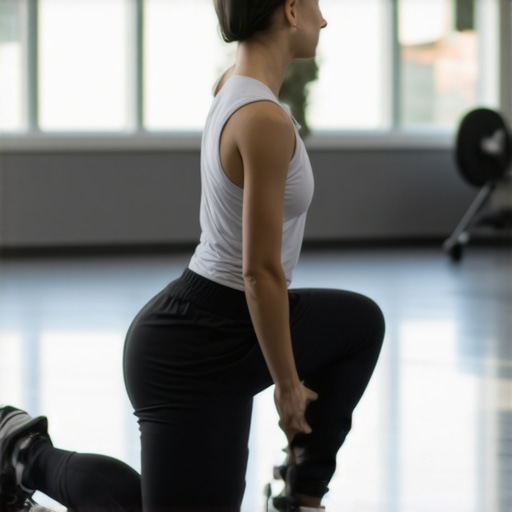
When I first felt that dull ache in my lower back, I hesitated to move, fearing I might worsen it. But I learned that gentle, controlled movements can actually decrease nerve irritation. Begin by practicing the 4-Point Kneeling Drill: kneel on the floor with your hands aligned under shoulders and knees under hips. Slowly extend one arm forward while keeping your hips level, then switch sides. I suggest doing this for 2-3 minutes daily. It’s like guiding a stiff hinge, slowly loosening it without forcing it. This movement stimulates blood flow and helps realign the spine.
Focus on Core Activation
Engaging your deep core muscles supports your lumbar spine. Lie on your back, knees bent, feet flat. Place your hands on your lower abdomen. Take a deep breath, then gently tighten your abdominal muscles as if preparing to lift your lower back slightly off the ground. Hold for 5 seconds, then release. I remember a morning when I struggled to get out of bed; doing this activation first made the transition smoother and less painful. Consistent core work reduces strain on your lumbar discs and nerves.
Use Proper Breathing Techniques
Proper breathing enhances muscle relaxation and reduces tension. Practice deep diaphragmatic breathing: inhale slowly through your nose, expanding your belly, then exhale fully. This decompresses the nerves and relaxes your muscles. I included this in my routine after a stressful day, and noticed less tightness in my hips and lower back. Breathing is an often-overlooked tool that communicates directly with your nervous system.
Adjust Your Posture During Daily Tasks
Poor posture aggravates sciatica. When working at your desk, align your monitor at eye level and support your lower back with a cushion. I personally used a small lumbar roll behind my lower back, which instantly improved my posture and reduced discomfort. Always avoid prolonged sitting with your hips below your knees or slouched positions. Small ergonomic tweaks can drastically lessen nerve compression over time.
Incorporate Targeted Stretching
Stretching tight muscles like the piriformis or hamstrings can alleviate sciatic pain. Lie on your back and cross one leg over the opposite knee; gently pull the uncrossed leg toward your chest. Hold for 20 seconds and switch sides. I found this especially helpful after long drives, where my hips felt locked up. Be cautious not to overstretch; gentle, consistent effort yields better results, like easing a stubborn knot slowly rather than yanking it loose.
Seek Out Expert Guidance
While these steps are effective, personalized advice accelerates healing. Consider consulting a professional who can tailor exercises specifically for your condition. I discovered this when I struggled to progress on my own; an expert identified subtle imbalances and guided me through adjustments, which made a tangible difference. Don’t wait for pain to escalate—early intervention keeps small issues from becoming chronic problems.
Integrate Movement Variability
Vary your activities to prevent overuse of specific muscles or joints. Alternating between walking, stretching, and strengthening keeps your spine adaptable. I made a habit of switching my routines monthly, which prevented stagnation. This approach promotes resilient mobility, much like diversifying assets protects your financial portfolio.
Prioritize Rest and Recovery
Quality sleep and rest periods facilitate tissue repair. Use a supportive mattress, and avoid sleeping on your stomach. I experimented with different pillows until I found a setup that kept my neck and spine aligned. After a restless night, I’d feel the next day’s discomfort minimized. Rest is a crucial component of a holistic approach to back health, enabling your body to recover and adapt effectively.
By systematically applying these concrete steps, you can take meaningful control over your lumbar and sciatic pain. Remember, the path to relief isn’t about quick fixes but consistent, mindful actions that support your body’s natural healing processes. For more targeted routines, visit this comprehensive guide on conquering sciatica.
Many assume that nerve pain like sciatica is solely caused by pinched disks or obvious injuries, but the truth is more nuanced. A common myth is that rest is always the best cure, yet prolonged inactivity weakens supporting muscles, worsening outcomes. In reality, maintaining gentle, active movement accelerates healing and preserves mobility. Another misconception revolves around stretching; some believe all stretching helps, but aggressive or improper stretching, particularly of the piriformis or hamstrings, can aggravate nerve irritation instead of relieving it. Think of it like trying to loosen a stubborn knot—gentle, targeted approaches work best, as highlighted in studies on myofascial release.Maintaining progress in managing sciatica, neck pain, or mobility issues requires more than just exercises—they demand reliable tools and consistent routines. Personally, I rely on a combination of specific equipment and software to ensure my practice remains effective over time. One essential tool is a high-quality foam roller, which I use daily to release deep muscle tension. The proper use of a foam roller, especially on areas like the lower back and hips, can greatly enhance mobility and prevent stiffness, as highlighted in [this expert guide](https://bodyrenewtherapy.com/the-correct-way-to-use-a-foam-roller-on-your-lower-back). I prefer a dense, textured roller because it provides better pressure control and muscle release techniques that are crucial for nerve health. Additionally, I incorporate resistance bands tailored for hip and core strengthening, which I attach to door anchors—this setup allows for versatile movements and functional training. These bands help me target specific muscles that support spinal stability, a vital aspect in long-term pain management. For tracking my progress and maintaining a structured routine, I use a dedicated app designed for physical therapy and mobility exercises. This software prompts daily routines, logs pain levels, and identifies patterns, essential for adapting strategies as I evolve. Looking ahead, I predict an increasing integration of AI-driven wearables that monitor muscle activation and nerve responses in real-time, providing personalized feedback and adjustments. To keep your regimen effective, I recommend trying a targeted massage ball, like a tennis ball or a specialized myofascial release ball, to address stubborn knots. Incorporating this simple tool into your daily routine can produce immediate relief and prevent chronic issues. How do I maintain my tools over time? I rotate my foam rollers and resistance bands every six months to ensure optimal hygiene and effectiveness, regularly clean them with mild soap, and keep digital records of my progress via the app. Consistency and proper maintenance are key to sustaining long-term results. To further enhance your mobility and nerve health, consider exploring comprehensive guides like [this one on unlocking mobility](https://bodyrenewtherapy.com/unlocking-mobility-expert-tips-on-managing-back-pain-in-2025). Remember, investing in the right equipment and staying disciplined with upkeep will make a measurable difference in your recovery journey.
The Hard-Earned Truths No One Tells About Sciatica Recovery
- Realizing that progress often comes from consistent, small wins rather than drastic overhauls was a game-changer. This shift in mindset prevented me from feeling overwhelmed and kept me motivated.
- Listening closely to my body’s signals rather than pushing through pain allowed me to adapt my routines dynamically, preventing setbacks and promoting healing.
- The importance of integrating gentle, functional movements into daily life—like the 4-Point Kneeling Drill—showed me how simple actions can have profound effects over time.
Tools That Became My Allies in the Fight Against Back Pain
- The foam roller, especially when used with expert guidance, became pivotal in releasing deep muscle tension and maintaining mobility; I trust this resource for mastering proper technique.
- Resistance bands tailored for hip and core strength complemented my routines, providing variety and targeted support, which kept my progress steady.
- Tracking my pain patterns and exercises with a dedicated app made all the difference, ensuring I stayed consistent and aware of what worked best.
The Emotional Power of Believing in Slow But Steady Healing
Initially, I was tempted by quick fixes, but embracing patience unlocked a level of resilience I didn’t know I had. Facing setbacks with a mindset of growth transformed my recovery from frustration into empowerment. Remember, managing sciatica isn’t about instant miracles but about nurturing your body’s capacity to heal itself. If you’re ready to explore more expert strategies and proven routines, check out this comprehensive guide on conquering sciatica. What’s one small step you’re willing to commit to today to improve your back health? Let me know below.