
Why Your Rib Cage Mobility is the Secret to Ending Neck Pain
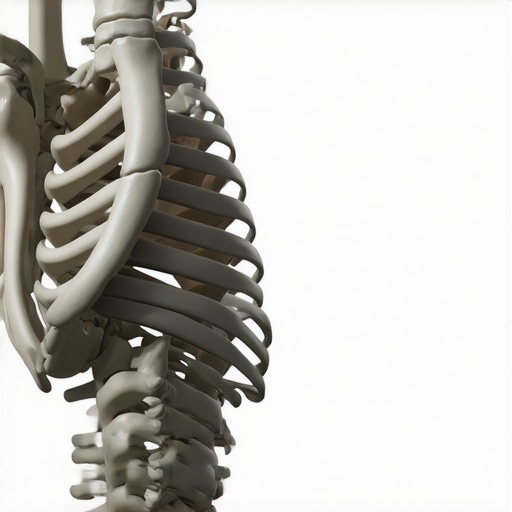
I remember the moment clearly. I was stuck at my desk, neck aching, shoulders tight, feeling that familiar wave of frustration creeping in. Then, I took a deep breath, and something clicked — I realized my rib cage wasn’t moving as freely as it should. That lightbulb moment changed everything. I’d been chasing symptoms and quick fixes, but the real cause was hiding right there, in my chest and upper back. That discovery opened the door to a whole new approach to pain relief that changed my life and how I help my clients today.
Unlocking the Hidden Treasure of Your Body
Here’s the truth nobody tells you: your rib cage isn’t just a cage for your lungs — it’s a vital part of your entire movement system. When your rib mobility is restricted, it pulls on your shoulders, neck, and even your lower back. This chain reaction can lead to persistent neck pain, headaches, and stress. Think of your rib cage as the core of a well-oiled machine — if it’s stiff or stuck, everything else squeaks and groans. I’ve seen countless clients struggle with neck tightness that just wouldn’t budge until we addressed their rib mobility. And let me tell you, it’s often much easier than you’d expect.
If you’ve been suffering from chronic neck discomfort, I’d ask — have you ever considered that the root might be in your upper back and chest? The good news is, by restoring proper movement here, you can free yourself from endless pain cycles. I promise, once I learned how to work with my rib cage, my neck pain significantly diminished, and my stress levels dropped. And yes, it’s possible for you too.
Will this really make a difference?
Early on, I made a mistake many do — I focused solely on neck exercises and ignored the connection to my chest and upper back. That was a dead end. According to a study published by the National Library of Medicine, thoracic mobility is a critical factor in neck and shoulder health. When that area is stiff, your nervous system compensates, leading to tension and discomfort. Recognizing this shifted my entire approach, emphasizing mobility and breathing techniques that target the rib cage. So, if you’re ready to stop chasing band-aid solutions, stick around. We’re going to explore how opening up your rib cage can drastically change your experience of chronic neck pain, maybe even erase it entirely.
Start with Gentle Breathing to Loosen Your Chest
Before even touching your muscles, focus on deep, diaphragmatic breathing. Lie on your back, place one hand on your chest and the other on your belly. Inhale slowly through your nose, expanding your belly, not your chest. Exhale fully through your mouth. I used this technique during a hectic morning when my neck tension was unbearable, and I noticed immediate relief as my chest and upper back started to relax.
Mobilize Your Ribs with Controlled Movements
Next, perform controlled rib cage movements. Sit upright or kneel, place your hands on your lower ribs, and gently rotate your upper body side to side. Focus on the sensation of your ribs moving underneath your hands. Think of your rib cage as a window that needs to be opened – slow and deliberate movements restore its natural glide. One time, I combined this with deep breathing, and my neck pain lessened significantly within minutes.
Use Self-Massage to Release Taut Muscles
Apply gentle pressure with a tennis ball or massage foam roller against your upper back and chest muscles. For example, I pressed the ball into my upper back, targeting tight areas near the shoulder blades, and rolled slowly. This breaking of muscle knots allowed freer rib motion, which directly alleviated my neck stiffness. This technique is akin to releasing a tight clamp that restricts the movement of your rib cage system.
Stretch to Increase Flexibility and Mobility
Incorporate specific stretches like intercostal stretches or doorway thoracic extensions. Stand in a doorway, place your forearms on the frame, and step forward gently to stretch the chest. For the intercostal stretch, extend one arm overhead and lean to the opposite side. During a session, I dedicated just five minutes daily to these stretches, noticing my neck tension fade as my chest became more elastic and mobile.
Strengthen Your Core to Support Rib Mobility
Strong core muscles stabilize your trunk, making movement easier. Incorporate exercises like ‘dead bugs’ or planks, but focus on maintaining relaxed shoulders and free ribs. I avoided overly stiff core routines and prioritized controlled, breath-supported movements. Strengthening the core creates a stable foundation, ensuring your rib cage moves smoothly during daily activities.
Practice Consistent Breath Work and Movement
Finally, make these techniques part of your daily routine. Even a few minutes of mindful breathing, gentle mobilization, and stretching can accumulate into significant relief over time. Remember, your rib cage’s freedom directly influences neck and shoulder tension, so nurturing this area is key to lasting freedom from discomfort. Want to dive deeper? Check out these proven strategies for quick neck relief and recovery.
Many believe that alleviating chronic pain or improving mobility is simply about stretching or strengthening the affected area. However, a prevalent misconception is that the root cause lies solely within the site of discomfort, such as the neck or lower back. In my experience, this narrow view often blinds people to the complex interplay of body mechanics, especially the subtle nuances of movement patterns and compensations that develop over years. For instance, treating neck pain without addressing thoracic mobility or rib cage restrictions can lead to temporary relief but recurrent issues because the underlying dysfunction remains uncorrected. Studies, such as those highlighted by the National Library of Medicine, emphasize the importance of rib and thoracic mobility in maintaining spine health.
Why do so many get trapped in this misconception?
One common trap is the belief that pain is a local problem, leading to isolated interventions like neck stretches or lumbar support. This narrow focus neglects the body’s integrated movement system, where restrictions in one area — such as a stiff upper back or a tight chest — can cause compensatory movements elsewhere. A typical mistake is failing to recognize the importance of mobility in the rib cage because it isn’t ‘painful’ in the conventional sense, yet it profoundly impacts nerve pathways, posture, and muscle function. Addressing this requires a paradigm shift: viewing the body as a connected whole rather than isolated segments.
In my practice, I’ve seen countless clients experience long-term relief only after incorporating mobility work that targets the thoracic spine and chest. Ignoring these nuances can lead to frustrating cycles of temporary relief and recurrence. For example, folks might spend months doing neck exercises but see little progress until they unlock the movement restrictions in their upper back and ribs. This mistake is the fastest way to frustration and plateauing progress. To deepen your understanding and truly resolve stubborn pain, consider exploring these strategies for neck and stress relief.
What advanced mistake could be sabotaging your recovery?
Many advanced practitioners overlook the significance of breath and rib cage mobility. Proper breathing not only fuels your tissues but also facilitates spinal and thoracic movement. When the rib cage is stiff, breathing becomes shallow, further limiting mobility and perpetuating tension cycles—particularly in the neck and shoulders. Research by leading respiratory therapists underscores how improving rib cage flexibility and breath patterns can dramatically reduce pain and improve function. Recognizing and addressing this subtle nuance can make a difference between temporary relief and lasting recovery.
So, the next time you focus solely on strengthening or stretching, remember: your body’s movement system is a complex orchestra. Tuning into these hidden nuances is essential for lasting change. Have you ever fallen into this trap? Let me know in the comments or check out more insights on back pain breakthroughs and deepen your journey toward health.
Keep Your Progress Going with the Right Tools
Maintaining improved mobility and pain-free movement over the long term calls for intentional strategies and reliable equipment. Personally, I rely on a combination of targeted foam rollers, resistance bands, and specific stretches to keep my body in optimal condition. For instance, I use a dense foam roller like the TriggerPoint Foam Roller because it effectively releases my upper back and chest muscles that often cause neck tension. Its firm surface allows me to reach deep tissue knots that impede rib cage mobility, ensuring I sustain the benefits of my mobility routines.
Additionally, resistance bands such as the TheraBand are invaluable for controlled mobility exercises. I incorporate band-assisted rotations and thoracic extensions to maintain flexibility in my upper back, preventing stiffness from creeping back in. These tools are not just for recovery—they’re essential for ongoing maintenance, especially as body mechanics tend to degrade with age or increased stress.
Embrace the Power of Mindful Movement and Software
Beyond physical tools, I recommend utilizing movement tracking apps like Mobility Mastery. They help you set daily reminders and log your progress, making consistency easier. I personally track my daily rib mobilizations and breathing exercises using such apps, which motivates me to keep disciplined habits. As technology advances, integrating these tools allows for personalized feedback and adjustments—vital for long-term success.
Prediction-wise, I see a future where wearable sensors and AI-driven feedback systems will become standard, offering real-time corrections and customized routines that adapt to your body’s responses. Stay tuned for innovations that will bring even more precision to your maintenance routine.
How do I maintain my mobility routines over time?
Consistency is the secret. Setting a daily ritual—whether it’s a five-minute breathing exercise, foam rolling in the morning, or resistance band mobility drills—helped me immensely. To make this sustainable, I integrated these into my daily activities: during coffee breaks, after work, or before bed. Additionally, periodically reviewing your routines and upgrading your tools—like switching to a more advanced foam roller or resistance band—keeps things effective and engaging. Remember, the goal is to create habits that become second nature, ensuring your mobility improvements stick long-term.
If you’re ready to deepen your practice, try incorporating the use of a foam roller or resistance band today. These simple yet powerful tools can make a significant difference in preserving your newfound mobility and reducing the recurrence of pain. Want more personalized guidance? Check out this comprehensive resource for breaking free from chronic neck tension and stress.

Throughout my journey working with countless clients, I’ve uncovered some lessons that often fly under the radar but make all the difference in long-term recovery. One hard lesson was realizing that quick fixes and isolated exercises tend to fall short without addressing the body’s interconnected movement patterns. It’s tempting to believe that targeting the site of pain is enough, but my experience shows that ignoring the body’s holistic biomechanics often results in cycles of relief and recurrence. Additionally, I learned that small, consistent adjustments—like mindful breathing and gentle rib mobilizations—can accumulate into profound change over time. Above all, patience and persistence trump quick results; long-term mobility gains require embracing the process and trusting the subtle cues your body sends.