
The Best Position for Watching TV if You Have Sciatica
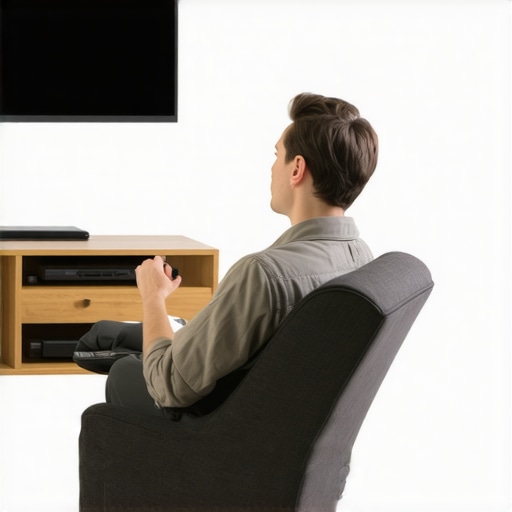
Ever settled in to watch a show on your favorite couch, only to be hit with that familiar jolt of pain shooting down your leg? Been there. One minute, you’re relaxing with a bowl of popcorn; the next, you’re wincing and shifting to find a pain-free position that feels almost impossible. I remember the lightbulb moment when I realized my TV watching setup was making my sciatica worse—an annoying, yet common mistake I made early on.
Many folks with sciatic nerve pain assume that any comfortable position will do, or they just grin and bear it. But from personal experience, and years of helping others, I can tell you that the way you sit while watching TV isn’t just about comfort—it’s about managing pain and preventing long-term damage. Today, I want to guide you through the *best position* for watching TV if you struggle with sciatica. Trust me, choosing the right sitting posture can be a game-changer.
Why Your Couch and Posture Might Be Sabotaging Your Relief
The truth is, it’s easy to overlook how your seating habits impact your sciatic pain. Most of us lean back in the couch, slip into the same cozy position, and think ‘that’ll do.’ But the problem is, many popular seating styles inadvertently put pressure on the sciatic nerve or cause your lower back to slump into unnatural curves, aggravating irritation and stiffness. Honestly, I used to sit cross-legged or slump in my recliner, thinking it was relaxing—until the pain doubled down.
The key is not just comfort, but a position that supports your spine and reduces nerve compression. My own mistake was neglecting how important the lumbar support and leg positioning are—something I learned the hard way. If you’re tired of constant discomfort, it’s worth checking out strategies that optimize your seated posture for sciatica relief. And yes, small adjustments can lead to big relief, as supported by research indicating that ergonomic sitting positions can significantly reduce sciatic nerve stress (see [here](https://bodyrenewtherapy.com/sciatica-relief-secrets-how-to-banish-pain-quickly-today)).
So, in this post, we’ll explore the optimal ways to set up your viewing area and position yourself so that your TV time becomes a source of relaxation, not pain. Ready to turn your couch into a pain-free zone? Let’s dive in.
Position Your Feet Properly
Start by ensuring your feet are flat on the floor or on a sturdy footrest. I recall a time when I adjusted my foot placement from crossing my legs to planting them firmly—it’s a simple tweak that immediately eased pressure on my lower back and sciatica. Think of your legs as the foundation of a building; stable support prevents unnecessary strain.
Use a Lumbar Support or Cushion
Place a firm cushion or a specially designed lumbar roll behind your lower back. When I added a lumbar pillow to my couch, my posture improved overnight, significantly reducing nerve compression. This mimics the effect of professional ergonomic chairs and keeps your spine in a natural curve, preventing slumping that aggravates pain. For additional relief, check out ergonomic tips.
Adjust Your Seat and Screen Height
Position your seat so that your hips are slightly higher than your knees, and your monitor at eye level. I once propped up my laptop on books, which instantly stopped my neck from craning forward. Maintaining a neutral neck and spine alignment reduces strain on your nerves, especially if you experience neck pain contributing to sciatic discomfort. For neck-specific strategies, visit neck pain solutions.
Keep Your Legs at a 90-Degree Angle
Ensure your knees are bent at a right angle and level with or slightly below your hips. During a binge-watching marathon, I placed a box under my feet to maintain this angle, which alleviated my lower back tension. This position reduces load on the lumbar discs and sciatic nerve, much like the recommended ergonomic setups found in mobility exercises.
Limit Reclining and Slouching
A common mistake is leaning back too far or slouching forward—both position your spine in unnatural curves, increasing nerve pressure. One evening, I consciously engaged my core muscles to sit upright, which instantly relieved my sciatica flare-up. Think of your back like a sail that needs to be kept steady; excessive leaning or slumping causes instability and irritation. To strengthen core support, explore core secrets.
Incorporate Regular Movement
Staying in one position for an extended period worsens nerve compression. I set a timer to stand up and stretch every 30 minutes, incorporating gentle spinal rotations and hamstring stretches. Movement helps fluidly shift pressure away from nerve pathways, preventing stiffness and pain. For specific routines, see stretching tips.
Add Support During Extended Viewing
If you watch for hours, use a supportive chair or sectional sofa with adjustable cushions. I invested in a recliner with adjustable backrest and footrest, which allowed me to find a pain-free position effortlessly. When properly supported, your lumbar and hip joints experience less strain, reducing sciatica flare-ups. For more ergonomic ideas, visit desk setup tips.
When considering back, neck, or sciatic pain, many believe the root cause is solely related to muscle strains or poor posture. However, even seasoned sufferers often miss a crucial nuance: the difference between localized discomfort and the body’s compensatory mechanisms. This oversight can lead to ineffective treatments and prolonged pain cycles. For example, some dismiss early signs of movement restriction as minor, not realizing that persistent habits like uneven weight distribution or habitual slouching subtly reinforce poor spinal mechanics. Over time, these patterns engrain maladaptive movement habits that perpetuate pain, as explained in expert studies highlighting how subconscious compensations develop into chronic issues (here). A common myth is that pain only signals injury severity, but in reality, pain often indicates the body’s attempt to protect compromised structures, making it essential to identify and correct these subconscious adaptations. An advanced mistake many make is ignoring the importance of evaluating movement quality over mere symptom management. For instance, performing isolated stretches without assessing how your body moves as a whole can reinforce faulty patterns. This is especially true for sufferers who focus solely on strengthening or stretching specific muscles, inadvertently neglecting the interconnectedness of the spinal, pelvic, and hip regions. Understanding and addressing these nuanced relationships can radically improve outcomes.
What mental and subconscious factors influence physical pain perceptions and recovery?
Experts point out that stress, anxiety, and even subconscious fear of movement can heighten pain perception and delay healing (see more here). For example, a habitual tension in the neck from stress can exaggerate discomfort during everyday activities, creating a self-perpetuating cycle. Recognizing these hidden layers allows you to incorporate mindfulness, breathing exercises, and proprioceptive training as part of a holistic approach. Moreover, adopting a movement-focused view rather than fixating solely on the pain site can accelerate recovery—moving your body correctly is often more effective than simply avoiding the problem areas. If you want to explore comprehensive strategies that go beyond surface-level fixes, check out this in-depth guide. Remember, pain is not just about tissue damage; it’s a signal intertwined with your nervous system, mental state, and movement habits. By understanding these nuanced factors, you gain the power to make smarter choices about your recovery. Have you ever fallen into this trap? Let me know in the comments.Maintaining your spinal health over time requires a combination of the right tools, consistent routines, and proactive strategies. One essential tool I personally rely on is a high-quality foam roller. I prefer the acupressure-type foam rollers because they help release muscle tightness in my lower back and hips, reducing sciatic nerve irritation. Regular self-myofascial release with a foam roller has become a game-changer in my daily maintenance routine, especially after long periods of sitting or intense activity. To ensure effective use, I dedicate 10 minutes daily to rolling out key areas such as the glutes, hamstrings, and lower back, which are often overlooked but crucial for maintaining mobility and reducing pain.
Another device I recommend is a lumbar support pillow with adjustable firmness. When I work at my desk or unwind on the couch, placing this pillow behind my lower back helps sustain proper spinal alignment, preventing slumping that can exacerbate neck and back issues. These pillows are adaptable and portable, making them a versatile addition to your recovery toolkit. Moreover, invest in ergonomic furniture designed to support natural posture—an adjustable standing desk can be particularly beneficial, allowing you to alternate between sitting and standing throughout the day, which research shows can significantly lessen chronic pain symptoms.
In terms of software and apps, I utilize posture reminder apps that prompt me to check my position and stretch every 30 minutes. Consistency is key; these reminders help me cultivate better habits and prevent stagnation that worsens pain. Additionally, guided breathing and mindfulness apps help reduce subconscious tension, a often unnoticed contributor to pain perception. For long-term results, dedicating time to mobility routines, such as daily stretches and strengthening exercises, is vital. I suggest incorporating simple, evidence-based movements like the 90-90 hip drill or deep core exercises, which can be learned through online tutorials or physical therapy resources.
Prediction-wise, the future will likely see increased integration of smart sensors that monitor posture in real-time, providing instant feedback and personalized corrections to prevent pain before it develops. Advanced wearables could become your personal pain prevention assistant, continually guiding you towards healthier habits.
**How do I maintain mobility and pain-free function over time?** Adopting a multi-tool approach is essential. Regular self-care routines using foam rollers and supportive pillows, combined with ergonomic adjustments and mindfulness practices, create a resilient foundation. Remember, consistency beats intensity; small daily habits compound into long-term improvements. For example, I challenge you to try the simple yet effective routine of rolling out your hips and lower back for five minutes each morning. Combined with proper posture during your daily activities, you’ll notice a marked difference in your pain levels and mobility.
If you want to explore more targeted strategies, visit this resource. Keeping your body working means knowing how to maintain it, and these tools are your allies in that journey.
The Hidden Lessons I Learned from Years Living with Sciatica
One of the most surprising insights was realizing how seemingly small habits, like poor sitting posture during TV viewing, can compound over time into chronic pain. I used to think that as long as I was comfortable, posture didn’t matter—only to find myself in worse discomfort later. It became clear that patience and consistent adjustments were key to long-term relief.
Another lightbulb moment was understanding that not all supportive cushions are created equal. Investing in a lumbar support tailored to my spine’s natural curve transformed my sitting experience and cut down my flare-ups. It taught me that personalized solutions make all the difference, especially when navigating complex nerve irritation issues.
Finally, embracing movement—whether through simple stretches or standing routines—proved vital. I discovered that keeping nerves and muscles active breaks the cycle of stiffness and prevents flare-ups, turning pain management into a proactive, empowering practice.
Tools That Changed How I Manage My Sciatica
My go-to resource remains a high-quality foam roller. I favor acupressure-style rollers for their gentle yet effective release of tight muscles in hips and lower back. Regular self-myofascial release has become a core part of my routine, helping me maintain mobility and reduce nerve irritation.
A lumbar support pillow with adjustable firmness has also been a game-changer, especially during long periods of sitting. It helps maintain proper alignment and alleviates pressure on the sciatic nerve. For ergonomic furniture, an adjustable standing desk allows me to switch positions effortlessly, reducing strain and keeping pain at bay.
Additionally, posture reminder apps have helped me develop healthier habits. They prompt me to check my stance and incorporate movement, which keeps my nerves happy and prevents chronic stiffness. Exploring guided breathing exercises has also been vital in managing subconscious tension that exacerbates discomfort.
Your Next Step in Pain Relief Starts Today
Remember, the path to a pain-free life with sciatica involves small, consistent changes and a positive mindset. Incorporate these tools and routines, and you’ll begin to see a profound difference in your mobility and comfort. Don’t wait for pain to become overwhelming—take proactive steps now to reclaim your TV time and enjoy it without fear of flare-ups. Have you tried any of these strategies before? Share your experiences below and join the conversation.