
The Best Way to Stand Up from a Sofa to Avoid Back Spasms
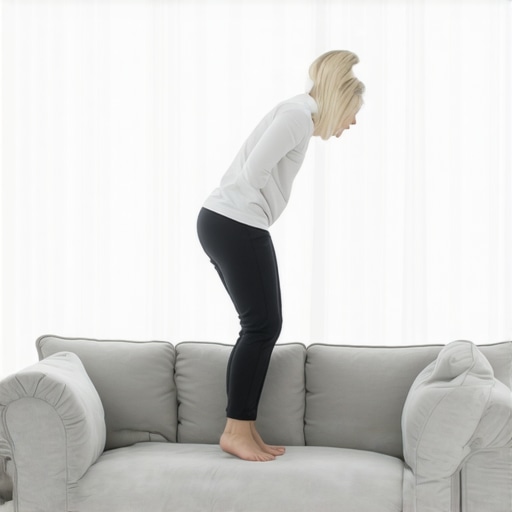
It hit me one lazy Sunday afternoon—trying to stand up from the sofa after watching my favorite show, I suddenly felt a sharp twinge in my lower back. I froze, wincing, realizing I hadn’t given much thought to how I get up. That pain was a wake-up call; I knew I’d been neglecting a crucial part of my back care routine.
Have you ever experienced that sudden, stabbing pain after simply trying to stand up from your couch or chair? You’re not alone. Many of us assume that just rising carefully is enough, but there’s a better way—and it can make all the difference. Today, I want to share with you a simple yet effective method to get up from your sofa without risking back spasms or aggravating existing pain. Trust me, it’s a game-changer, and once you master it, those unwelcome back aches could become a thing of the past.
Why Properly Standing Up Matters More Than You Think
Is your method of rising from a seated position actually hurting your back?
Getting up the wrong way might seem insignificant, but over time it can lead to chronic pain and stiffness. I’ve made the mistake early on of hurrying to stand, twisting my lower spine awkwardly, and then wondering why my back felt worse the next day. That was a clear lesson: poor technique not only strains your muscles but can also impact your discs and ligaments.
According to research, abnormal movement patterns—like twisting the spine when standing—can contribute to persistent back issues. Incorporating a mindful, correct approach can prevent this. For instance, [this article](https://bodyrenewtherapy.com/understanding-the-link-between-poor-posture-and-chronic-back-pain) highlights how small postural habits cumulatively cause big problems.
My own experience taught me that the way I move matters. The fix was simple once I learned a dedicated technique: shifting weight properly, engaging my core, and using my legs to rise—rather than relying solely on my back. It’s not about being perfect; it’s about making tiny, conscious adjustments daily.
But I know skeptics might wonder, “Is this really worth trying? Will it make any real difference?” Well, let’s delve into that next, so you can see why this method has transformed my daily comfort—and could do the same for you.
Stand with Intent, Not Hurry
When I first started paying attention to my movements, I noticed I was rushing to stand with my back hunched and legs stiff. Instead, I paused for a second, planted my feet shoulder-width apart, and consciously engaged my core muscles. This little shift made a huge difference—I felt less strain in my lower back, and I avoided that familiar twinge. Remember, slow and deliberate movements protect your spine much more than quick, careless ones.
Shift Your Weight Correctly
Lean forward slightly
Begin by leaning your upper body forward at the hips, not by twisting your spine. Imagine you’re about to sit on an invisible chair in front of you—this adjustment naturally shifts your weight onto your legs. I once tried to push myself up without this step, and my back screamed the next day. When I finally adopted this method, the pain was less frequent—and when it did occur, it was milder.
Engage your legs and glutes
Use your thigh and buttock muscles to push yourself up, avoiding over-reliance on your lower back. Think of your legs as the engine, powering the movement. To illustrate, I once forgot to activate my glutes before standing, and I ended up feeling soreness in my lower back that lasted hours. This technique distributes effort evenly, reducing undue stress.
Keep Your Spine in a Neutral Position
As you rise, keep your neck and spine aligned—no craning your neck or arching your back. Imagine a string gently pulling your head upward to maintain length. I used to stand up by tilting my head down at my phone, which made my neck stiff and my back ache worse. Conscious alignment preserves your mobility and prevents chronic strain.
Incorporate a Pause Before Moving
Before standing, take a breath, straighten your back, and activate your core intentionally. Like a pilot performing safety checks before takeoff, this pause ensures your muscles are ready. Once I started doing this, I found I felt more in control and less likely to jerk or twist unexpectedly.
Pay Attention to Your Environment
Ensure your furniture height allows your knees to be roughly level with your hips—this reduces undue pressure. I once sat in a seat that’s too low, forcing me to hunch, which caused immediate discomfort. Adjust small things like your chair height or adding cushions to maintain proper ergonomics, which you can learn more about at this guide.
Practice Consistency
Making these techniques habitual takes time, but the benefits are profound. I started by consciously applying them whenever I got up, even in messy or rushed moments. Over weeks, it became second nature, and my episodes of back pain decreased significantly. Regular practice reinforces muscle memory and ensures protection during daily activities.
When it comes to managing pain in the neck, back, or sciatica, many believe they understand the basics, but there are nuanced misconceptions that can hinder progress. One widespread myth is that rest is always the best remedy. While short-term rest might provide relief, prolonged inactivity can actually weaken muscles and slow recovery. Experts like Dr. Stuart McGill emphasize maintaining gentle movement to promote spinal health, challenging the outdated idea that total immobility aids healing. Moreover, many assume that all pain signals tissue damage, but sometimes pain persists after the injury has healed due to nerve sensitization, as discussed in recent research from the Journal of Pain Science. Recognizing this nuance can prevent over-treatment or unnecessary surgeries.
Another trap is the belief that stretching is universally beneficial. For example, overly aggressive hamstring or lower back stretches, without understanding underlying causes, can worsen sciatica symptoms. Dynamic and controlled movements, rather than passive stretching, are often more effective, a concept supported by physical therapists who specialize in mobility training.
So, how do you avoid common pitfalls? It starts with identifying the true source of your pain rather than relying solely on symptoms. For instance, tight hip flexors may mimic nerve pain but require different treatment than disc issues. A comprehensive assessment by a qualified practitioner can differentiate these causes, leading to targeted, effective strategies.
Are you falling into any of these traps? Understanding these advanced nuances can significantly improve your journey toward recovery and movement freedom. For deeper insights, check how improving your mobility with expert tips can protect your spine in the long term [here](https://bodyrenewtherapy.com/mobility-mastery-daily-tips-to-keep-your-spine-and-joints-healthy). Remember, knowledge is your best tool in combating pain successfully.Maintaining a healthy back and neck requires more than just good posture; it demands the right tools and consistent practices. Personally, I rely on ergonomic accessories like adjustable sit-stand desks, which allow me to change my position throughout the day, reducing strain and fostering mobility. These desks are a game-changer, especially if you spend hours at a computer; they enable proper alignment and help prevent overexertion of your spine. Additionally, foam rollers and massage balls have become staples in my recovery routine, aiding my muscles in releasing tension and enhancing blood flow. Regular self-myofascial release can prevent minor aches from escalating into chronic pain.
Uncovering What My Pain Taught Me About True Mobility
Sometimes, the hardest lessons come from the most unexpected moments—like realizing that my daily routine was quietly sabotaging my back health. I learned that persistent discomfort isn’t just about quick fixes; it’s about understanding how small habits, like how I stand up or sit down, accumulate over time. Paying attention to my body’s signals revealed that the tiniest adjustments—engaging my core, shifting weight properly—could dramatically reduce pain and improve mobility. These insights have transformed my approach, making me more mindful and proactive in caring for my spine.
Tools and Resources That Changed My Perspective
Over time, I discovered that effective back and neck care is supported by the right tools. An adjustable ergonomic desk changed how I work, allowing me to switch positions effortlessly and maintain proper alignment. Incorporating foam rollers and massage balls helped me release tension and prevent minor aches from becoming chronic issues. Books like Back in Action provided deeper understanding into anatomy and movement, which empowered me to make informed decisions. These resources are invaluable for anyone serious about reclaiming mobility and alleviating pain.
Your Next Step Toward Pain-Free Living
If you’ve been struggling with back or neck pain, remember that change starts with awareness and small, consistent actions. By practicing proper movement techniques and leveraging helpful tools, you can prevent pain from stealing your joy and mobility. The journey might seem challenging at first, but every mindful step brings you closer to a stronger, healthier spine. Don’t wait for pain to become unmanageable—take charge today and reclaim your freedom of movement.