
The Best Sitting Position for Avoiding Sharp Sciatica Nerve Jabs
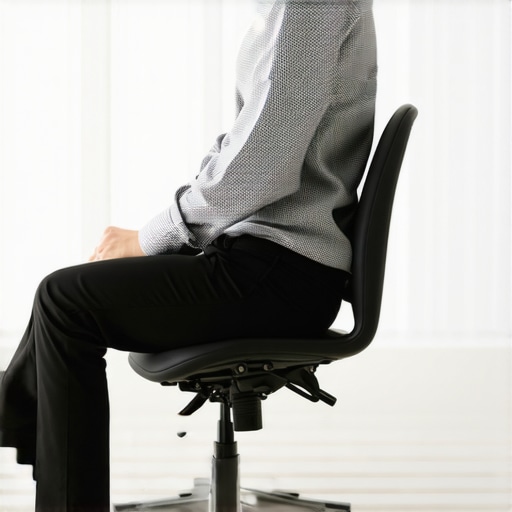
I remember the moment vividly. I was slumped over my desk, trying to finish a deadline, when suddenly—an ice pick jabbed through my lower back and down my leg. It was sharp, sudden, and quite honestly, terrifying. I’ve dealt with back pain before, but that jolt of sciatic nerve pain hit differently; it made me realize that my sitting habits could be silently sabotaging my health.
The Secret to Staying Comfortable and Avoiding That Nerve Jolt
If you’re like me, you’ve probably tried countless stretches, painkillers, and ergonomic tweaks, but the discomfort keeps creeping back. That’s because the way we sit can either protect our nerves or trigger those dreaded, sharp sciatic jabs. Today, I want to share what I’ve discovered through personal experience and a bit of research: your sitting position isn’t just a matter of comfort—it’s a vital strategy in avoiding crippling nerve pain.
Are You Wasting Time with the Wrong Posture?
One mistake I made early on was blindly following generic advice that didn’t match my body’s needs. I believed sitting upright all the time was best, but I ignored that everyone’s spine and pelvis are different. Incorrect posture can actually aggravate the sciatic nerve, especially if you habitually sit in a way that compresses your lower back. For more nuanced tips, you might want to explore simple exercises that boost your back mobility and learn proactive habits that support long-term relief.
It’s crucial to recognize that one-size-fits-all advice is often a myth. Finding your ideal sitting position isn’t just about comfort—it’s about safeguarding your nerves. If you’ve faced pain or tingling after long hours at your desk, know that relief is within reach. By understanding how to sit correctly, you can prevent those unwelcome nerve jolts and enjoy your day without interruption.
In the sections ahead, I’ll guide you through the practical, personalized steps to discover and maintain the best sitting position for your body. Trust me, once you get it right, you’ll wonder why you didn’t prioritize this earlier. Ready to take control of your back health? Let’s dive in.
,
Adjust Your Chair and Desk Height for Optimal Support
One of the most immediate steps I took was lowering my chair so my feet were flat on the floor and my knees bent at a 90-degree angle. During a particularly uncomfortable afternoon, I set my chair height according to the design of a standing desk setup, which helped reduce pressure on my lower back and sciatic nerve. Make sure your hips are slightly higher than your knees, creating a gentle tilt that supports your lumbar spine. Use a footrest if necessary to maintain this alignment.
Secure Lumbar Support to Maintain Natural Spinal Curves
In a moment of frustration with persistent numbness, I added a lumbar support cushion behind my lower back. This simple addition helped keep my spine’s natural curve, preventing slouching that could aggravate the sciatic nerve. Look for adjustable supports that contour to your lumbar region, and position them so your lower back is gently cradled. Remember, a supported spine distributes weight evenly, reducing unnecessary strain.
Refine Your Sitting Posture with Micro-Adjustments
I found that sitting perfectly upright often led to tension in my neck and shoulders, so I experimented with slight adjustments. I tilted my pelvis forward just enough to tilt my sit bones downward, akin to how a pilot maintains proper posture in the cockpit. This helped align my pelvis over my hips, which in turn relaxed my lower back muscles. A small mirror or a smartphone camera can be useful for checking your sitting alignment during these adjustments.
Incorporate Movement Breaks to Avoid Stiffness
Staying still for extended periods is like pressing pause on your body’s mobility; it can cause muscles and joints to stiffen, increasing nerve compression risk. I set a timer every 30 minutes and took a quick walk or did gentle stretches. For example, I practiced pelvic tilts and seated spinal twists, which invigorated my lower back and kept the sciatic nerve at ease. Regular movement acts as a lubricant, preventing the buildup of tension that can trigger nerve jolts.
Use Ergonomic Tools to Support Your Body Naturally
Additional tools like an ergonomic keyboard and mouse helped reduce upper body tension, but the real game-changer was my choice of supportive shoes paired with an anti-fatigue mat during standing intervals. These adjustments absorb shock and evenly disperse weight, protecting your spine and sciatic nerve from undue stress. Regularly reviewing your setup through resources like ergonomic tips can fine-tune your support system.
Stay Consistent and Observe Your Body’s Signals
The key to these steps is consistency. I kept a brief journal noting what adjustments relieved symptoms and what worsened them. Over time, I learned specific cues—like a slight ache in my lower back—that signaled I needed to tweak my posture or movement pattern. Developing an awareness of your body’s signals ensures you can proactively make small changes, preventing sharp nerve jabs before they occur.
Remember, perfecting your sitting posture is a gradual process. Focus on micro-adjustments rather than drastic overhauls. Small, intentional changes—like ensuring your pelvis tilts slightly forward or your lumbar support is snug—compound over time into sustained relief. For further detailed guidance, you might explore simple exercises to enhance back mobility that complement your ergonomic habits.
< >Many assume that mobility exercises alone can solve chronic back and neck pain, but in reality, the issue often lies in the quality and context of these movements. A common myth is that stretching is universally beneficial, yet if performed incorrectly or without understanding your body’s specific needs, stretching can exacerbate existing issues. For instance, overdoing hamstring stretches might worsen sciatic nerve irritation if your muscles are already overly flexible or if the root cause is joint restriction rather than muscle tightness. Recognizing these nuances requires a deeper understanding of your unique biomechanics rather than blindly following generic routines. Research by Dr. Stuart McGill emphasizes that individual assessments are critical in designing effective mobility plans, especially for those with persistent pain. Relying solely on mobility drills without addressing underlying structural imbalances can lead to a cycle of temporary relief followed by recurring discomfort. An advanced mistake I’ve seen many make is neglecting the role of joint health and alignment; flexibility isn’t everything. Proper joint articulation and muscular balance are essential for lasting relief. This is why integrating targeted strength exercises with mobility work, as outlined in Mobility Mastery, can produce better, sustained results. Often, people overlook the importance of proprioception—the body’s ability to perceive its position—which is vital for stability and injury prevention. Improving proprioception through specific exercises can enhance mobility while protecting the spine and nerves. Be cautious of the trap where individuals focus exclusively on increasing range of motion without strengthening the supporting structures. This imbalance can cause hypermobility, leading to instability and pain. Remember, true mobility is about fluidity and control, not just flexibility. If you want to prevent setbacks, consider a holistic approach that combines movement quality with structural health. For personalized guidance, don’t hesitate to reach out via our contact page. Healing and maintaining mobility demand patience and precision—think of your body as a finely tuned machine, where every part needs attention. Have you ever fallen into this trap? Let me know in the comments.
Keeping It Working: Essential Tools for Sustained Relief
Maintaining the progress you’ve made in improving mobility and alleviating nerve pain requires more than just occasional stretches or posture checks. The right tools can make a significant difference in ensuring long-term results. From ergonomic devices to targeted exercises, selecting equipment backed by research or professional consensus adds a layer of reliability to your routine.
Personally, I swear by a quality lumbar support pillow designed with adjustable firmness and contouring capabilities. Unlike generic cushions, this tailored support maintains the natural lumbar curve during long periods of sitting, which is crucial in preventing nerve compression. In my experience, investing in a supportive lumbar pillow has reduced flare-ups significantly. Additionally, a versatile foam roller is invaluable for self-myofascial release, especially for tight glutes that often contribute to sciatic discomfort. The deep glute stretch with a foam roller helps release knots and restore mobility.
Digital tools also play a pivotal role. I recommend a posture correction app that provides real-time alerts when your sitting or standing position deviates from optimal alignment. Apps like these are increasingly sophisticated, using gyroscopic sensors on smartphones to track your posture accurately. Regular feedback encourages consistent habits and prevents slouching that can exacerbate nerve issues over time.
How do I maintain long-term relief from nerve pain and back stiffness?
One effective approach is incorporating lifestyle modifications supported by evidence. For instance, a study published in the Journal of Physical Therapy Science indicates that a combination of ergonomic adjustments and regular mobility exercises significantly reduces chronic lower-back pain. Using ergonomic tools such as adjustable desks and supportive footwear, like specialized shoes, helps disperse impact forces evenly, minimizing stress on the spine and sciatic nerve.
Another crucial element is the use of heat therapy, which has proven benefits in reducing muscle tension and improving tissue elasticity. Electric heating pads with adjustable temperature settings offer controlled, targeted relief. Pairing this with gentle mobility drills, such as pelvic tilts or carefully guided stretches, can sustain improvements over months and even years.
Looking ahead, I believe the trend will favor personalized biomechanical assessments powered by AI. These systems can analyze your movement patterns via wearable sensors, providing tailored exercise and ergonomic recommendations—an evolution that promises even better long-term outcomes.
To stay proactive, I urge you to implement one of these tools today. Begin with a high-quality lumbar support pillow, and observe how it influences your comfort and pain levels. Remember, consistency and the right equipment are key to keeping your back and nerves functioning at their best. For a comprehensive assessment or personalized advice, consider reaching out through our contact page. Stay committed—your future self will thank you!
< >
>
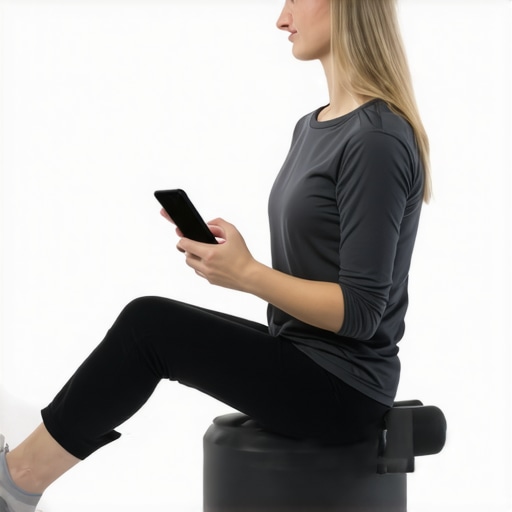
Image: A person using an ergonomic chair with lumbar support, a foam roller nearby, and a smartphone app for posture correction. Alt: Ergonomic workspace with support tools for back health. Title: Optimized setup for back and nerve health.
What I Wish Someone Told Me About Sitting Habits and Sciatica
One of the biggest revelations on my journey to relief was realizing that persistent back and nerve pain isn’t just about stretches or treatments; it’s about the tiny, almost imperceptible habits I overlooked daily. For instance, I discovered that even a slight pelvis tilt or a small lumbar support tweak could make an enormous difference, highlighting how nuanced and personal effective strategies truly are.
Another lesson was understanding that mobility exercises aren’t one-size-fits-all. I learned to listen deeply to my body, avoiding the common trap of blindly following generic routines, which can sometimes worsen the issue. Tailoring movements based on my unique biomechanics proved to be a game-changer, emphasizing the importance of personalized approaches over cookie-cutter solutions.
Lastly, I recognized that consistency in ergonomic adjustments and movement habits beats sporadic efforts. Small, sustainable changes—like setting reminders for movement or adjusting my chair slightly each day—created compounding benefits. This insight taught me that patience and attentiveness are fundamental in turning physical habits into lasting relief, a lesson I wish I had embraced earlier in my healing journey.
Tools That Reinforced My Progress and Will Help You Too
My toolkit for back and sciatic relief became a collection of carefully chosen resources and supportive tools. A high-quality lumbar support pillow with adjustable firmness ensured my spine maintained its natural curve throughout the day, significantly reducing strain. I trust this pillow because it adapts to my body’s needs, preventing the nerve compression that often triggers sharp jolts.
A foam roller became an indispensable part of my routine, specifically for releasing tight glutes and hips that often contribute to sciatic discomfort. The deep glute stretch with a foam roller has helped me maintain mobility without aggravating nerves, which is crucial for long-term relief.
To keep my posture in check, I started using a posture correction app that provides real-time alerts. This digital nudging keeps me mindful of my position, preventing the slouching and compression that often lead to flare-ups. Combining ergonomic equipment, mobile apps, and targeted exercises has created a robust support system that sustains my progress.
Investing in these tools wasn’t just about immediate relief—it was about creating an environment where my body could heal and stay resilient. If you’re serious about long-term health, exploring similar resources can be a pivotal step. Don’t hesitate to reach out via our contact page for tailored advice on building your own supportive toolkit.
Trust the Process and Embrace Small Wins
The most powerful message I’ve learned is that healing isn’t linear. Celebrating small improvements—like a slight reduction in numbness or a longer comfortable sitting period—fuels motivation and reinforces good habits. It’s essential to stay patient and persistent, understanding that consistent micro-adjustments accumulate into significant, lasting change.
Every step, no matter how minor it seems, is a victory on your path toward relief. The key is to listen intently to your body’s signals, make thoughtful modifications, and give yourself grace during setbacks. Remember, transforming your mobility, sciatic, or neck pain isn’t about quick fixes; it’s about cultivating awareness and creating supportive habits that last a lifetime.