
The Best Way to Sit at a Computer After a Herniated Disc Diagnosis
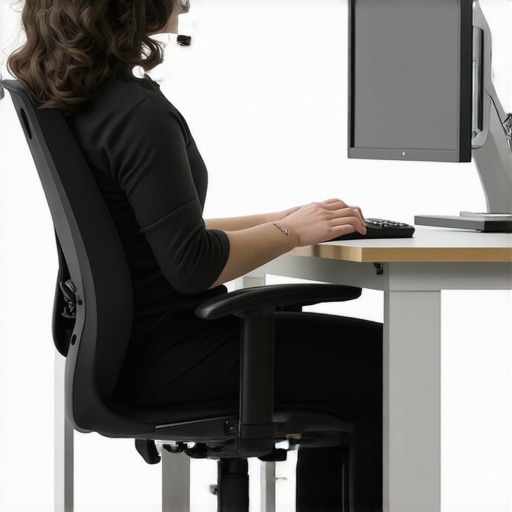
I vividly remember the moment I realized sitting at my desk had become a source of pain I couldn’t ignore. It was late one evening, and after hours of staring at my screen, my lower back shot with an excruciating ache that left me feeling helpless. That lightbulb moment made me confront a harsh truth: my usual sitting habits were doing more harm than good, especially after my diagnosis of a herniated disc. If you’ve found yourself in a similar boat—feeling stiff, sore, or even fearing that your work routine is worsening your condition—you’re not alone.
Why Sitting Posture Matters More Than You Think
Words like “ergonomics” can sometimes sound like buzzwords, but trust me, the way you sit impacts your recovery in profound ways. After my herniation diagnosis, I thought I could just muddle through with minimal adjustments. I was wrong. Early on, I made a crucial mistake—ignoring the importance of proper posture—and it almost cost me more time in pain and less progress in healing. I learned that sitting improperly can irritate nerves and delay tissue repair, which is why paying attention to your sitting habits is essential for healing and long-term comfort. For instance, aligning your pelvis and keeping your spine neutral can significantly reduce pressure on affected discs, as supported by clinical insights on back health (see [here](https://bodyrenewtherapy.com/back-pain-breakthroughs-navigating-your-path-to-restored-mobility)).
Will Changing How I Sit Really Help Me Heal?
Great question. Skepticism about posture changes is normal. I thought, “Will this really make a difference?” The truth is, small, intentional adjustments can lead to big improvements. My progress accelerated once I adopted specific seating strategies, like using ergonomic supports and avoiding prolonged static positions. But not all advice is created equal, and I had to learn what truly works. That’s why I’ll share my journey and practical tips to help you avoid the pitfalls I fell into, guiding you toward a more comfortable, pain-free life at your computer. Ready to discover how to sit smarter and support your healing? Let’s dive into the strategies that transformed my daily work routine and could do the same for you.
Adjust Your Workspace for Better Posture
Start by optimizing your chair height so your feet rest flat on the floor, and your knees are level with your hips. Use a lumbar roll or a small pillow behind your lower back to support the natural curve of your spine. This setup reduces the strain on your discs and nerves, helping alleviate sciatic pain. I remember setting up my desk like this one evening, and within days, I noticed a reduction in my lower back discomfort. Proper support is essential to prevent aggravating herniated discs.
Set Your Monitor at Eye Level
Position your computer screen so the top line is at or just below eye level. This prevents you from tilting your head down, which strains your neck and upper back muscles. I once spent hours with my monitor too low, causing neck tension that worsened my herniation symptoms. Raising my monitor took some adjustment, but the immediate relief in neck and shoulder tension was worth it.
Practice Active Sitting
Instead of static posture, shift your position every 20 minutes. Cross your legs, stretch your legs out briefly, or perform gentle pelvic tilts. Micro-movements promote circulation and prevent stiffness. I started incorporating small wiggles and stretches while working, which kept my muscles engaged and reduced numbness episodes. These habits support your mobility and reduce nerve irritability.
Incorporate Core Engagement Exercises
Strengthening your core stabilizes your spine, decreasing pressure on herniated discs. Simple exercises like pelvic tilts or the dead bug can be performed at your desk. I added 10 dead bugs during breaks, which strengthened my abdominal muscles and lessened my sciatic flare-ups. Better core strength acts as a natural brace, shielding your back during daily movements.
Implement Standing Breaks
Aim to stand for 5-minute intervals every 30 minutes. Use a height-adjustable desk or a sturdy box to elevate yourself. Standing encourages blood flow and decompresses your lumbar spine. During one particularly tense day, I set a timer to remind myself to stand and stretch, leading to noticeable pain reduction. Regular movement disrupts the cycle of stiffness and nerve compression.
Harness the Power of Gentle Stretching
Stretching your hamstrings, hips, and lower back can relieve pressure on your sciatic nerve. Focus on safe, pain-free movements, avoiding any stretch that causes discomfort. I found that a gentle hamstring stretch, performed daily, significantly improved my mobility and diminished nerve pinching sensations. Incorporate these stretches into your routine to support ongoing recovery.
The Importance of Posture Awareness
Develop a habit of checking in with your posture every few minutes. Use visual cues or reminders to keep your shoulders back, chest open, and chin tucked. This mindfulness prevents habitual slouching and forward head positions that exacerbate neck and upper back pain. I used sticky notes as reminders, which gradually rewired my sitting habits over a few weeks.
Optimize Your Rest and Sleep Setup
Since nighttime nerve compression can worsen symptoms, choose a pillow that maintains the natural neck curve, and sleep on your side with knees slightly bent. My sleep quality improved after switching to a supportive pillow, reducing morning stiffness and nerve irritation. Efficient recovery depends on good sleeping posture, complementing your daytime ergonomics.
Track and Adjust Your Habits
Keep a journal of what activities or positions trigger your pain. Use this data to refine your sitting habits and identify patterns. Small adjustments, like more frequent breaks or different stretching routines, can make a big difference. I found that recognizing my pain triggers prevented worsening flare-ups and guided my ongoing ergonomic improvements.
Remember the Bigger Picture
Combine these strategies with regular consults from healthcare professionals, and don’t hesitate to explore comprehensive approaches like [uncovering your sciatica relief](https://bodyrenewtherapy.com/unlocking-sciatica-relief-expert-strategies-for-lasting-comfort). Consistency is key: each small change accumulates into a more comfortable and mobile life, free from debilitating pain.
Many assume that common discomforts like sciatica and neck pain stem solely from obvious causes such as poor posture or injury. However, this oversimplification often leads to ineffective treatment and prolonged suffering. A crucial nuance missed by most is the misconception that pain always correlates directly with visible structural damage. In reality, nerve irritation can persist even when imaging shows minimal abnormalities, highlighting the importance of focusing on functional movement and neural health rather than just structural fixes. This misunderstanding can trap individuals into unnecessary surgeries or ineffective therapies, delaying real recovery.
Another common myth is that stretching alone will resolve all issues. While flexibility is beneficial, neglecting strength and stability exercises can weaken supporting muscles, ultimately exacerbating pain cycles. As I explored in my recovery journey, integrating active stabilization routines often produces more sustainable relief than mere stretching.
A trap worth avoiding is the belief that rest is always the best remedy. Rest can be vital initially, but prolonged inactivity can lead to muscle atrophy and joint stiffness, making future movements painful and difficult. Movement, when carefully guided, promotes circulation, tissue healing, and neural health, proving more effective for long-term recovery.
For those with neck or back issues, considering only the local area may overlook compensatory patterns developed over time. These compensations can cause secondary problems elsewhere, complicating treatment. Addressing the entire kinetic chain and including posture-awareness strategies can prevent these secondary issues and promote holistic healing.
Delving deeper, the question arises: *how do lifestyle factors subtly sabotage our efforts*? Poor ergonomic setups, stress-induced muscle tension, or even hydration levels can influence nerve sensitivity and tissue resilience. Recognizing and modifying these hidden contributors can dramatically improve outcomes.
Research by Dr. Stuart McGill emphasizes the importance of integrating core stability exercises over traditional stretching for spinal health, as they promote resilience and load management. His studies underscore that understanding the body’s nuanced responses is essential for effective treatment.
In summary, the path to managing sciatic and back pain isn’t just about alleviating symptoms but understanding and addressing these underlying nuances. Avoid falling into simplistic solutions that overlook the complexity of neural and musculoskeletal interactions. Instead, focus on a comprehensive approach that considers movement patterns, lifestyle, and individualized therapy.
Have you ever fallen into this trap? Let me know in the comments. For more detailed strategies, exploring our cornerstone content on [uncovering your sciatica relief](https://bodyrenewtherapy.com/unlocking-sciatica-relief-expert-strategies-for-lasting-comfort) can provide profound insights into advanced management techniques.
Maintaining progress in managing sciatica, neck pain, and back issues requires more than just a good routine — it demands the right tools that support, reinforce, and scale your efforts over time. Throughout my recovery journey, I’ve identified specific equipment and methods that consistently deliver tangible results, helping me stay pain-free and mobile even as I encounter daily demands.
Invest in an Adjustable Lumbar Support Pillow
This might sound simple, but having a dedicated lumbar support pillow that adjusts to my seat has been transformative. I opt for a memory foam model with adjustable straps, allowing me to realign my lower back during long work sessions. Unlike generic cushions, my lumbar pillow molds precisely to my curve and stays in place, reducing strain on herniated discs and sciatica nerve irritation. For ongoing relief, I use it daily, especially during extended periods of desk work or driving. As research from [BodyRenewTherapy](https://bodyrenewtherapy.com/back-pain-breakthroughs-navigating-your-path-to-restored-mobility) suggests, targeted lumbar support can significantly improve spinal alignment and decrease pain flare-ups over the long term.
What’s the Best Way to Keep Your Support Level Consistent?
To ensure continuous benefit, I set reminders to check and adjust my lumbar pillow position every few hours. Proper positioning maximizes support and prevents compensatory posture that could undermine recovery. Remember, anything that maintains the natural curve of your spine is essential for sustainable relief.
Utilize a Mobility Tracker App to Monitor and Enhance Your Progress
Modern technology offers apps designed to track your daily mobility, posture habits, and stretching routines. I personally rely on a dedicated app that prompts me to take breaks, perform gentle stretches, and log pain episodes. Over time, this data allows me to identify patterns—like particular positions or activities that trigger discomfort—and make targeted adjustments.
Using reliable software like Mobility Mastery enhances my ability to sustain improvements and prevents minor setbacks from escalating. Predicting where your pain might recur enables proactive management, which is critical for maintaining long-term mobility.
Schedule Regular Professional Evaluations
Tools are invaluable, but professional oversight is equally crucial. I intervallically consult with a physical therapist or chiropractor who specializes in spinal health. They can assess my progress, recommend new exercises, or adjust my tools—like recommending a different ergonomic setup or muscle activation strategies.
Recognizing the trend toward personalized, tech-enabled care, more practitioners integrate digital assessments to monitor flexibility and strength levels remotely, keeping you on track without frequent visits. This approach ensures your routine evolves with your body’s changing needs, reinforcing the importance of adaptive techniques for lasting results.
How do I keep these tools effective over time?
Consistency and maintenance matter. Regularly inspect your equipment for wear, update your apps and software, and stay engaged with your healthcare provider. Tracking your progress diligently and making incremental changes allow you to scale your strategies smoothly. For example, gradually increase stretch durations or support firmness as your mobility improves, ensuring continual progression without setbacks.
Long-term success rests on integrating these tools seamlessly into your lifestyle, empowering you to move confidently and comfortably. I invite you to try incorporating a dedicated lumbar support pillow today—experience how targeted, supportive equipment can reinforce your healing — and stay attentive to your body’s signals for best results.
Looking back, I realize that the true breakthroughs in overcoming my herniated disc and associated pains came not just from following standard advice, but from discovering the nuances of personalized movement and mindset shifts that made all the difference. My journey taught me that healing is as much about awareness and intentionality as it is about techniques—and these lessons can revolutionize your approach to pain relief.
The Hidden Truths That Changed My Perspective
- It’s Not Just About Flexibility: I used to believe stretching was the ultimate fix, but I learned that strengthening supporting muscles and neural pathways created a more resilient spine. Incorporating stability exercises, inspired by experts like Dr. Stuart McGill, helped me build a foundation that prevented flare-ups and supported daily movement.
- Posture Is a Dynamic Skill: Maintaining good posture isn’t a one-time fix; it requires constant mindfulness. Developing habits like regular posture checks and mindful sitting transformed my pain management from reactive to proactive, empowering me to stay aligned throughout the day.
- Movement Over Rest: While rest is crucial initially, I found that gentle, deliberate movement accelerates healing by promoting circulation and reducing nerve irritation. Small, consistent actions—like micro-break stretches—became my allies against stiffness and numbness.
- Equipment Can Be a Game-Changer: Investing in ergonomic supports, like an adjustable lumbar pillow, significantly eased pressure on my discs. Using tools intentionally ensures my environment supports my recovery, enabling me to work comfortably and avoid setbacks.
- Tracking Accelerates Progress: Using a mobility tracker app, I discovered patterns that triggered discomfort, allowing me to adapt proactively. Data-driven adjustments turned trial-and-error into guided progress, making recovery more efficient.
Tools That Became My Recovery Allies
- Dynamic Lumbar Support: An adjustable memory foam pillow provided targeted support, aligning my spine naturally, which was essential in reducing herniation stress. Regular positioning checks kept comfort consistent over long workdays.
- Mobility Apps: Tools like Mobility Mastery helped me monitor my daily routines, suggest personalized stretches, and stay accountable. They fostered a sense of control and clarity during my recovery process.
- Professional Guidance: Periodic visits to physical therapists equipped me with tailored exercises and posture corrections that evolved with my progress, ensuring my efforts remained effective and safe.
- Educational Resources: Reading authoritative content, such as the comprehensive strategies in our cornerstone article, deepened my understanding and motivated me to stay committed, avoiding common pitfalls and myths.
Your Next Step Toward Freedom from Pain
Remember, managing sciatica, neck, and back pain is an ongoing journey—one that thrives on curiosity, dedication, and personalized strategies. Take inspired action today: assess your workspace, integrate supportive tools, and seek professional advice when needed. Your body has incredible capacity to heal and adapt, so believe in the possibility of a pain-free future.
Have you found a technique or tool that transformed your pain management routine? Share your story in the comments below—I’d love to hear what’s worked for you.