
The Hidden Reason Your Ergonomic Chair Isn’t Fixing Your Slouch
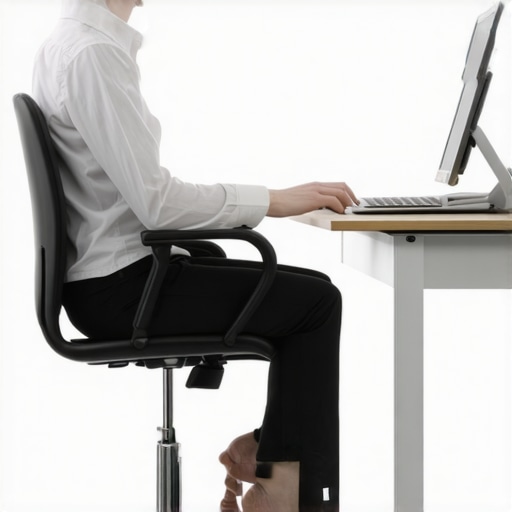
I vividly remember the moment I realized my new ergonomic chair wasn’t the magic fix I thought it would be. Sitting in it, I felt the promise of relief—yet my backache persisted, my neck tension worsened, and my posture seemed just as crooked as before. It was a lightbulb moment that made me question everything I knew about good seats and even better habits. If you’ve been throwing money at fancy chairs, expensive cushions, or posture gadgets, only to find your discomfort remains, you’re not alone.
Why Your Chair Might Not Be the Issue, Even If It Looks Perfect
Here’s the thing: the problem isn’t always what you think. I learned that the hard way. Early on, I made the mistake of believing that upgrading my chair would instantly eliminate my slouch and neck tension. But after months of ergonomic upgrades, my pain didn’t just linger—it sometimes intensified. Why? Because I was focusing solely on the tool, not on the habits and underlying issues that sustain poor posture. A study published in the Journal of Physical Therapy Science notes that posture correction isn’t just about equipment—it’s about habits and muscle awareness, too.
So, what’s really going on? The hidden reasons often tie back to how we sit, move, and hold ourselves beyond the chair itself. It’s easy to assume that a fancy seat can override years of poor posture habits, but that’s a myth. Instead, your body needs more than just support; it needs awareness, active adjustments, and sometimes, a complete reevaluation of your daily routines.
Is It Worth the Hype? My Initial Mistake with Ergonomic Chairs
I used to believe that a high-end ergonomic chair would be a quick fix, and I invested heavily in one. But I ignored the fact that I still slumped during long work sessions and neglected to modify my habits. This oversight taught me that even the most sophisticated chair won’t fix bad habits or muscular imbalances. If you’re feeling skeptical about ergonomic solutions, it’s completely understandable. I was there, too. But I promise, once you identify the true roots of your slouch, you’ll see real progress. Need to check if your back pain hints at something more serious? You might find this guide to symptoms helpful.
In the following sections, I’ll walk you through the overlooked reasons behind persistent slouching and how to address them—not just with your chair but with practical, sustainable habits. Ready to ditch the frustration and finally get comfortable? Let’s dive into the real fixes that work.
Identify and Address Muscle Imbalances
Start by assessing your muscle strength, especially in your core and back. Weak core muscles often lead to compensation in other areas, causing pain. To correct this, incorporate targeted exercises like planks and bridges. For example, once, I dedicated 10 minutes daily to core strengthening and noticed my lower back discomfort reduced within a few weeks. Consistency is key.
Implement Daily Mobility Routines
Mobilizing your spine and hips enhances flexibility and reduces tension. Simple movements like hip circles and thoracic twists, done twice a day, can make a noticeable difference. I once tried a dedicated mobility routine based on these tips, and within a week, my neck stiffness diminished significantly. Incorporate these into your morning and evening routines for best results.
Practice Posture Awareness and Corrections
Awareness is crucial. Use reminders to check your posture throughout the day — imagine your spine as a bungee cord that needs to stay straight, not sagging or overstretched. During stress or fatigue, it’s common to slump, which exacerbates pain. I set hourly alarms on my phone to prompt me to sit upright and engage my core. Over time, this habit reduced my chronic neck tension.
Break Up Prolonged Sitting
Sitting for hours can stiffen your back and neck. Stand up and move every 30-45 minutes. Use this time for quick stretches like the neck release stretch or a short walk. I once worked through an entire day with minimal movement, and my pain spiked; after implementing regular mini-breaks, my symptoms improved. Carry a reminder or notes at your desk to reinforce this practice.
Adjust Your Workspace Ergonomics
Optimize your desk setup to support good posture. Ensure your monitor is eye-level, your back is supported, and your feet are flat on the floor. Small adjustments, like using a lumbar roll or footrest, can prevent slouching. I experimented with different chair heights and found that aligning my monitor reduced neck strain and prevented headaches. Also, review ergonomic tips for lasting comfort.
Incorporate Targeted Strengthening and Stretching
Focus on strengthening muscles that oppose those that cause pain. For sciatic discomfort, exercises from this guide are effective. I found that regular stretches like the neck and shoulder stretches helped reduce tension buildup. Be cautious not to overdo stretches that can worsen symptoms, such as excessive hamstring stretches during active sciatic flare-ups.
Seek Professional Guidance When Needed
If pain persists despite these measures, consider consulting a specialist. Persistent symptoms could signify underlying issues needing targeted therapy. Use resources like this contact page to find expert help. I once ignored ongoing back pain, leading to a longer recovery; getting professional advice early can expedite relief.
While many believe that straightforward stretching or strengthening routines can fix chronic back or neck pain, the reality is far more complex. One common misconception is that all sciatic pain originates solely from a herniated disc or a pinched nerve. However, research indicates that a significant portion of persistent sciatica stems from muscular imbalances and postural habits that have gone unnoticed for years. For example, tight hip flexors or weak glutes can alter pelvic alignment, exacerbating nerve irritation and making symptoms resistant to typical treatments. To truly address sciatic discomfort, it’s crucial to look beyond superficial fixes and analyze your movement patterns and muscle activation, which can be assessed via professional consultation or targeted mobility tests. Misdiagnosing the root cause often leads to unnecessary procedures or ineffective exercises. This highlights the importance of understanding when back pain might be a sign of something serious and seeking comprehensive evaluation.
Another myth is that high-tech gadgets or posture braces alone will solve long-term issues. While these tools can offer temporary relief, relying solely on them without cultivating awareness and proper movement habits often results in recurrence. Chronic pain often results from ingrained habits like slouching during desk work or uneven weight distribution when standing — subtleties most overlook. Developing an active, mindful approach towards body positioning and movement can yield more sustainable results.
Be cautious of the 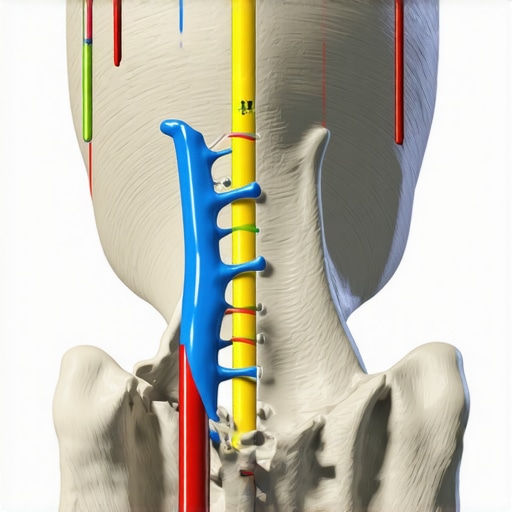 that illustrates the subtle misalignments that many ignore in daily posture—a small deviation in pelvic tilt or shoulder positioning can have cascading effects on nerve pathways. Recognizing these nuances requires a keen eye and sometimes professional guidance. Remember, advanced practitioners often emphasize the importance of understanding the link between muscular imbalances and pain as discussed in articles like this detailed explanation of posture and chronic pain.
So, the next time you experience persistent discomfort, question whether you’ve truly identified the source or just chased after superficial solutions. Deep awareness and precise intervention make all the difference. Have you ever fallen into this trap? Let me know in the comments.Maintaining the progress you’ve made in alleviating back, neck, and sciatic pain requires more than just sporadic exercises or wishful thinking. The right tools, a consistent routine, and understanding how to adapt your habits over time are essential for lasting results. One of my top recommendations is incorporating smart technology that provides real-time feedback, such as posture correction devices or mobility tracking apps. For example, I personally use the Upright Go 2, which discreetly monitors my posture throughout the day and sends gentle reminders when I slouch. This constant feedback helps me stay mindful of my alignment during prolonged desk sessions and prevents recurring discomfort.
Investing in ergonomically designed equipment is equally crucial. I recommend adjusting your workspace with items like a lumbar support cushion or an adjustable desk that allows you to alternate between sitting and standing. These modifications encourage dynamic movement and reduce static strain, which is a common culprit in chronic pain. Additionally, utilizing mobility tools such as foam rollers or massage balls can aid in muscle recovery and flexibility. Regularly incorporating targeted self-myofascial release routines has significantly decreased muscle tension and improved my overall mobility.
When considering long-term results, establishing a routine that integrates strength, flexibility, and mindfulness exercises is vital. For instance, dedicating 10 minutes daily to core stabilization—like plank variations—and mobility drills from these exercises can create a resilient foundation that supports your spine and alleviates pain.
Looking ahead, I believe that wearable technology and AI-driven feedback will become even more sophisticated, providing personalized insights and adaptive routines to prevent pain before it starts. This trend will empower users to take proactive control of their spinal health, reducing reliance on reactive therapies.
### How Do I Maintain Back and Neck Health Over Time?
Consistency is key. I suggest setting reminders to perform mobility drills during your workday, adjusting your ergonomic setup regularly, and investing in tools that keep you aware of your posture. Tracking progress with apps or devices helps you identify patterns and adjust as needed, ensuring sustained benefits.
One advanced tip I recommend is using a postural cueing device like the Upright Go 2 consistently. It trains your subconscious to maintain proper alignment, which is particularly effective during long periods of sedentary work. Implementing such a device alongside regular stretching routines can profoundly impact your long-term comfort. Remember, small daily habits compound over time—so choose tools and routines you can sustain.
For personalized guidance or to ensure your pain isn’t a sign of something more serious, don’t hesitate to reach out through this contact page. Taking proactive steps today sets the foundation for a healthier, more mobile tomorrow.
The Hardest Lesson I Learned About Persistent Pain
One of my biggest realizations was that superficial fixes like stretching or ergonomic tweaks won’t work unless you address muscle imbalances and habits that sustain pain. I used to focus solely on equipment, but I discovered that awareness and targeted exercises are game-changers. For example, strengthening my glutes and core made a noticeable difference in my sciatic discomfort.
Why I Stopped Relying on Quick Fixes
Initially, I believed that gadgets and braces would solve my issues quickly. It wasn’t until I integrated mindful movement and regular mobility routines from these tips that I saw lasting change. Consistency over immediate relief is what truly heals.
The Power of Listening to Your Body
Listening deeply about where tension and discomfort originate can prevent unnecessary treatments. I learned that pain often signals muscular or postural imbalances rather than isolated injury, emphasizing the importance of proper assessment, like reviewing serious symptom guides.
My Top Strategies for Long-Term Relief
Combining targeted strengthening, mobility drills, and mindfulness created sustainable improvements. Techniques such as the neck tension relief exercises helped me regain comfort during stressful days. These practices, coupled with ergonomic adjustments, form a holistic approach that is vital.