
The Connection Between Gut Health and Chronic Back Inflammation
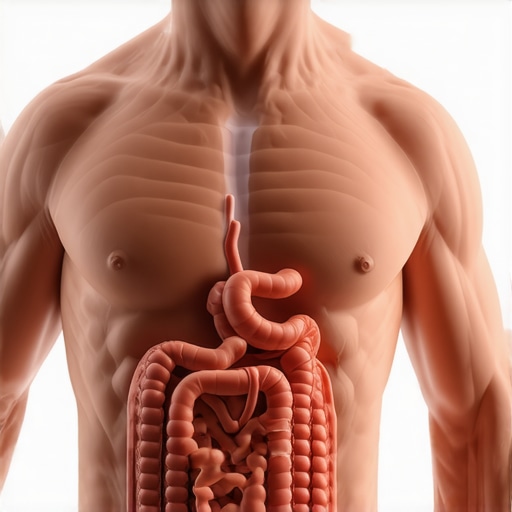
I remember the exact moment I realized my back pain was more than just a slipped disc or a bad posture. It was late one evening when I struggled to get out of bed, my lower back searing with a pain that radiated down my legs. Despite trying every stretch, massage, and painkiller, nothing seemed to touch the root cause. Then, a lightbulb went off—what if my gut health was playing a bigger role than I ever imagined? That’s when my journey began, unraveling the surprising connection between my digestive system and chronic back inflammation.
Discovering the Hidden Link Between Your Gut and Back Pain
It might sound unbelievable, but your gut health could be silently fueling inflammation throughout your body, including your spine. Years of research now show that an imbalance in gut bacteria—a condition known as dysbiosis—can trigger systemic inflammation, which often manifests as persistent back pain. I learned that when my gut was upset, my immune system responded by increasing inflammation everywhere, including my back tissues. Addressing my digestive health became an essential part of managing my pain.
Understanding this connection was a game-changer. I began to pay attention to my diet, focusing on anti-inflammatory foods, probiotics, and gut-friendly habits. The results were remarkable; my back pain started to lessen as my gut healed. It wasn’t a quick fix, but taking care of my digestive health gave me hope that relief was possible.
If you’ve been battling chronic back inflammation without lasting solutions, this insight could be the missing piece. Do you ever wonder if your digestive issues, bloating, or irregular bowel habits might be indirectly harming your spine? You’re not alone. Studies indicate that gut health influences inflammatory markers which, in turn, affect joint and tissue health, including the spine (source: [National Institutes of Health](https://pubmed.ncbi.nlm.nih.gov/)).
In the following sections, I’ll share practical steps to support your gut and reduce back inflammation, so you can regain mobility and comfort without endless medication or invasive procedures. But first, let’s address some common doubts that many face when exploring this unconventional approach.
Start with Simple Dietary Choices That Reduce Inflammation
Exchange processed foods for fresh vegetables, fruits, and lean proteins. I remember one morning where I replaced my usual breakfast of cereal and milk with a smoothie packed with berries, spinach, and turmeric. Within days, I noticed a reduction in my back stiffness. This change wasn’t about dieting but about reducing gut-triggered inflammation that can irritate your spine.
Incorporate Gut-Friendly Supplements and Habits
Adding probiotics like kefir or sauerkraut can restore balance in your gut bacteria. I began taking a probiotic capsule daily and committed to eating fermented foods thrice a week. Over two weeks, I observed less bloating and my back pain softened. Think of your gut bacteria as tiny gardeners; when they’re healthy, they keep your internal landscape calm and resilient.
Prioritize Digestive Health with Consistent Routines
Establish regular eating times and chew thoroughly. I set a reminder for mindful eating, which was initially awkward—like trying to savor a delicate wine sip. This slowed me down and improved digestion. As digestion improved, systemic inflammation decreased, and my back pain further diminished. Small, consistent behaviors help your gut stay balanced and your immune response subdued.
Adjust Your Lifestyle to Support Gut and Spine Health
Limit alcohol, reduce stress, and get quality sleep. I adopted a 10-minute evening meditation and avoided screen time before bed. These tweaks reduced my stress hormones, which are known to worsen both gut imbalance and inflammation around the spine. Remember, stress doesn’t just make your neck tense—it can ripple into your back and hips, aggravating pain.
Employ Targeted Movement and Posture Techniques
Proper movement helps maintain your gut’s influence on your spine. Practice gentle diaphragmatic breathing; lying on your back, place a hand on your stomach, breathe deeply into your belly, and expand it like a balloon. I integrated this into my morning routine, and over time, I felt my core stabilize better, supporting my lower back. Strengthening your core while fine-tuning your breathing enhances mobility and alleviates inflammation.
Additionally, ergonomic modifications at your workspace, such as adjusting chair height and monitor position, can prevent postural strains that worsen back issues. For more tips, visit Enhance your back mobility.
Consistent Monitoring and Adjustment
Keep a journal of your diet, posture, and pain levels. I did this for a month, noting when my back was better or worse. I realized that after spicy dinners, my inflammation spiked. Cutting back, I maintained a more consistent gut and back health. Tiny, mindful adjustments over time produce lasting benefits in your journey toward pain-free mobility.
Many assume that sciatica and chronic back pain are solely due to structural issues like herniated discs or misaligned bones, but this oversimplification can lead to overlooked causes and ineffective treatments. For instance, the myth that rest is the best remedy often results in prolonged discomfort; in reality, controlled movement and targeted stretches have been shown to accelerate recovery (source: [Sciatica Relief Secrets](https://bodyrenewtherapy.com/sciatica-relief-secrets-how-to-banish-pain-quickly-today)).
A common trap is focusing exclusively on the spine, ignoring the role of adjacent muscles, fascia, and even breathing patterns. Tight chest muscles or restricted diaphragmatic breathing can increase thoracic and neck tension, exacerbating pain and reducing mobility. This holistic approach is supported by experts who emphasize the importance of muscle balance and neural mobility for long-term relief.
Additionally, many believe that pain is always an indicator of damage needing surgical intervention. However, persistent pain can be a symptom of nerve sensitization, inflammation, or functional imbalances that are better addressed with physio-led retraining rather than invasive procedures. Recognizing this distinction can prevent unnecessary surgeries and promote safer, conservative care.
For those with neck pain, misconceptions abound about the inevitability of degeneration. Yet, recent studies indicate that posture correction alone isn’t sufficient; integrating neck strengthening exercises, improving ergonomics, and breathing rehearse techniques can reverse some degenerative changes and restore movement (more details at [Neck Pain Solutions](https://bodyrenewtherapy.com/revitalize-your-neck-effective-techniques-for-lasting-pain-relief)).
A sophisticated question often posed is: How does neural mobility influence chronic pain? The answer lies in the neural tension principle, which explains that many cases of radicular pain respond well to neural gliding exercises, reducing nerve irritation. This advanced modality is underrepresented in mainstream discourse but has gained recognition in pain science circles (check [Neck and Nerve](https://bodyrenewtherapy.com/neck-pain-solutions-innovative-strategies-for-fast-recovery)).
Avoiding the trap of purely structural fixes means embracing a comprehensive view—incorporating movement therapy, breathing, posture, and lifestyle changes. Neglecting these nuances can cause your condition to persist or worsen despite repeated interventions.
In your journey, consider reviewing your approach with this perspective. Are you focusing on the root causes rather than just the symptoms? For further insights, explore [Back Pain Breakthroughs](https://bodyrenewtherapy.com/back-pain-breakthroughs-navigating-your-path-to-restored-mobility) to discover how to achieve lasting relief.
Have you ever fallen into this trap? Let me know in the comments.Maintaining mobility and managing pain over the long term require more than just exercises and good habits; they demand reliable tools and consistent strategies. One of my personal favorites is the use of a **foam roller** for my thoracic spine. Unlike most after-workout tools, I use it daily to break up fascia restrictions that can accumulate from poor posture or long sitting hours. Choosing the right foam roller, like one with a firm density and a textured surface, helps target those stubborn muscle knots, preventing them from tightening over time and pulling your spine out of alignment. Regularly incorporating my foam roller has significantly reduced my nagging neck and back stiffness.
Another game-changer for me has been a **percussive massage gun**. While many dismiss these as luxury gadgets, I rely on mine for targeted relief of my lumbar muscles after long days at the desk or intense workouts. The adjustable speed and different attachment heads make it a versatile tool to stimulate blood flow and promote tissue recovery. I tend to use it on my lower back and hips, which are often overlooked in traditional stretching routines but critical for overall mobility.
In terms of software, I recommend tracking your pain and mobility progress with a dedicated app. A simple journal works, but apps like **PainDiary** allow you to log triggers, relief methods, and daily movements, identifying patterns that might otherwise be missed. This data guides personalized adjustments, like when to increase mobility exercises or modify ergonomics.
Predicting where this trend is headed, I believe integrating **smart technology** — such as wearable sensors that monitor posture and movement quality — will revolutionize long-term pain management. Real-time feedback could help users correct poor habits before they lead to chronic issues, making prevention more proactive than reactive.
### How do I keep up with tools and strategies for long-term success?
Consistency is key. I set weekly reminders to perform routine foam rolling, coupled with my daily mobility drills. Additionally, I periodically review my pain logs to make informed decisions about my movement habits. This proactive approach means I can catch small issues before they snowball into persistent pain. I also stay informed through trusted resources like the Revitalize Your Neck techniques guide, which offers up-to-date advice on tool use and movement corrections. Remember, your body benefits from routine maintenance, just like a car needs oil changes — neglect it, and small problems can turn into costly repairs down the line.
Incorporate these tools into your daily or weekly routine, and you’ll notice a steady improvement in mobility and pain levels. For a deeper dive into specific tools for sciatica, check out Sciatica Relief Secrets. Give one of these a try today — your body will thank you!Throughout my journey with chronic back pain, I uncovered a surprising truth: the key to long-lasting relief often lies beyond the spine. One of the most powerful lessons I learned is that prioritizing gut health can dramatically reduce systemic inflammation, which often exacerbates back issues. By nurturing my digestive system through mindful eating, probiotics, and lifestyle adjustments, I didn’t just see my pain diminish—I regained my confidence and mobility, affirming that sometimes, the simplest changes yield the most profound results. Remember, transforming your back health starts with understanding the intricate connection between your gut and nervous system, and embracing holistic habits can be your gateway to a pain-free future.