
The Connection Between Stress and Your Reoccurring Sciatica Flares

Ever been caught in that moment when your lower back screams, and you realize it’s not just about the physical strain—your stress levels are sky-high? I’ve been there too. One day, after a particularly stressful week, my sciatic pain flared up worse than ever, leaving me pondering: could my mental state be influencing my physical pain? That lightbulb moment changed everything for me—and it might do the same for you.
Many of us brush off stress as just a mental burden, but it can be a silent culprit behind those persistent sciatic flare-ups. Today, I want to share how stress and emotional tension might be directly impacting your nerve health and what you can do about it. Warning signs like sudden bursts of pain or worsening symptoms during stressful times are often overlooked, yet they hold crucial clues to your recovery. Together, we’ll explore practical strategies to break this cycle and regain control over your pain.
Why Stress Might Be Triggering Your Sciatica
It’s not just in your head—literally. When stress levels spike, your body releases cortisol and other hormones that can lead to muscle tightness and inflammation, especially around your lower back and hips. Over time, this heightened tension compresses nerves, including your sciatic nerve, causing those fiery, shooting pains that disrupt your day. Interestingly, a study published in the Journal of Neuroscience suggests that chronic stress can sensitize your nervous system, making pain feel even more intense and harder to manage.
Early in my own journey, I made the mistake of ignoring my emotional health. I believed pain was purely mechanical, so I focused solely on physical stretches and exercises. That was a mistake I wish I hadn’t made. Managing stress isn’t just about feeling better mentally; it’s a crucial piece of the healing puzzle. If you’re wondering whether your stress is a factor, consider tracking your flare-ups alongside stressful days, and don’t hesitate to explore relaxation techniques that can help soothe your nervous system. For more insights on symptoms that might be more serious than mere strain, check out this guide.
Concerned if addressing stress really makes a difference?
Many people dismiss this connection, thinking it’s just mental chatter. But I’ve learned firsthand that stress reduction can significantly cut down flares and improve overall mobility. My own progress accelerated once I started incorporating simple breathing exercises and mindfulness into my daily routine. If you’ve tried everything else and still face relentless flare-ups, it might be time to look inward as well as outward. Ready to learn how to break free from this cycle? Let’s dive into practical steps that can help you calm your nervous system and ease your pain, starting today.
Start with Deep Breathing Exercises
In my messy experience, I found that taking five minutes to focus on diaphragmatic breathing drastically helped decrease my muscle tension. Sit or lie down comfortably, place one hand on your chest and the other on your belly, and inhale slowly through your nose, allowing your diaphragm to expand. Exhale completely through your mouth, engaging your core muscles. This technique reduces cortisol levels and calms your nervous system, directly easing nerve compression. Consistent practice can reset your stress response, which often tightens muscles and exacerbates sciatic pain.
Implement Daily Gentle Mobility Routines
Think of your spine like a rusty hinge—if it stays stationary too long, it stiffens. Incorporate simple movements like pelvic tilts and cat-cow stretches into your day. For instance, lie on your back, bend your knees, and gently tilt your pelvis to flatten your lower back against the floor—hold for a few seconds, then release. I once committed to doing this every morning, and over a week, I noticed my lower back loosening up, reducing numbness and shooting pain. Regular mobility exercises prevent muscles from tightening up in response to stress, keeping nerves less pinched.
Prioritize Posture to Reduce Nerve Pressure
Proper alignment is crucial. When sitting, use ergonomic principles: keep your feet flat on the ground, knees at 90 degrees, and your back fully supported. During my own office overhaul, I adjusted my chair height and added lumbar support. This dramatically improved posture, minimizing tension around my hips and lower back. To make lasting changes, consider posture awareness as part of your daily routine. Proper positioning directly reduces nerve compression and associated pain.
Incorporate Nerve Gliding Techniques
Imagine your nerves as elastic bands that need to glide smoothly. When they get stuck, pain arises. I carefully performed nerve glide exercises by extending my leg and gently flexing my ankle while keeping my hips stable, which helped my sciatic nerve-move freely through its pathway. This mobilization reduces adhesions and resolves shooting pain episodes. Regular practice, especially during flare-ups, keeps nerves from becoming rigid and inflamed, facilitating quicker recovery.
Manage Stress Through Mindfulness and Relaxation
Stress often disguises itself as muscle tension. I found that practicing mindfulness meditation for ten minutes daily made a noticeable difference. Sit in a comfortable position, focus on your breath, and observe your thoughts without judgment. This mental reset diminishes emotional tension that feeds into physical stiffness. Over time, it became a non-negotiable part of my pain management toolkit, calming my nervous system and reducing the frequency of flare-ups.
Establish a Consistent Sleep Schedule
Quality sleep restores your body’s healing resources. I noticed that irregular sleep worsened my sciatic pain. I set a nightly routine: limiting screen time before bed, maintaining a cool, dark environment, and sleeping on a supportive mattress—sometimes I added a pillow under my knees for back relief. Adequate sleep lowers stress hormones and relaxes muscles, making your body less reactive to tension and pain. This simple habit supports all other stress-reduction efforts, reinforcing your healing process.
By systematically applying these steps—breathing, mobility, posture, nerve gliding, stress management, and sleep—you create a resilient cycle that interrupts the stress-inflammation-pain pattern. Remember, consistency outweighs intensity, so integrate these practices into your daily routine for lasting relief.
Many individuals believe that neck pain and back discomfort are solely a matter of muscular strain or skeletal issues, but this oversimplification can lead to misguided treatment approaches. A common misconception is that stretching or strengthening alone will resolve these issues, yet neglecting underlying neurological and postural factors often prolongs pain. For instance, excessive focus on muscle flexibility without addressing joint mobility or nerve mobility can trap you in a cycle of temporary relief followed by recurring flare-ups. Recent research emphasizes the importance of considering the nervous system’s role—in particular, nerve gliding techniques can be transformative, yet many practitioners overlook this aspect. Understanding nerve mobility is crucial for a comprehensive recovery.
An advanced mistake many make is assuming that external hardware, like braces or injections, can fix functional issues without addressing contributing habits. Over-reliance on passive devices can weaken intrinsic stabilizers, worsening long-term stability. Instead, fostering proprioception and dynamic control via targeted mobility and stability exercises yields better results. The trap here is neglecting this nuance, which can turn a manageable condition into a chronic problem.
Have you ever fallen into this trap? Let me know in the comments!
Another layer often missed involves postural awareness. For example, many are unaware that hidden, subtle misalignments—like anterior pelvic tilt or cervical forward head posture—can silently perpetuate nerve compression and muscle imbalance. Continuous poor habits, such as prolonged smartphone use or suboptimal workstation setup, compound these issues. Studies show that correcting posture through ergonomic adjustments and mindful movement can significantly decrease symptoms. To explore this further and avoid these pitfalls, check out this article on posture and chronic pain.
A notorious myth I encounter is the idea that pain always correlates directly with tissue damage. While acute injuries may involve structures like discs or ligaments, chronic pain often stems from complex neuroplastic changes, where the nervous system amplifies pain signals regardless of actual tissue state. Recognizing this is vital because it shifts the focus from purely structural repair to retraining the nervous system through techniques like nerve gliding and desensitization. Failing to appreciate this nuance results in unnecessary surgeries or prolonged medication use.
In summary, the real secret is that neck, back, and nerve pain involve an intricate interplay between musculoskeletal, neurological, and behavioral factors. Embracing this holistic view and integrating mobility, posture, and nervous system health is the key to lasting relief. Let’s commit to digging deeper and questioning surface-level solutions for better outcomes.
For practical tips on optimizing your everyday movements and avoiding these common pitfalls, visit this resource on mobility mastery. Stay aware of the nuances, and your journey to pain-free living will be more successful.
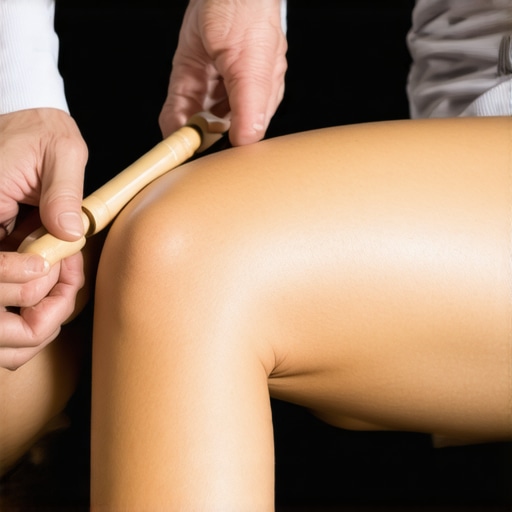
Maintaining your progress against neck pain, sciatic discomfort, and back issues requires more than just exercises—it’s about using the right tools and techniques consistently. One device that has transformed my approach is the Tanzanian Wooden Nerve Gliding Kit. Personally, I incorporate this kit into my daily mobility routines because the textured wooden surfaces gently stimulate fascia and muscles, promoting better nerve mobility. The tactile feedback it provides helps me target tight spots that often contribute to nerve compression, especially around the sciatic nerve pathway.
Beyond manual tools, I rely heavily on nerve glide exercises performed with guided videos from trusted physiotherapists. These exercises are designed to encourage the natural movement of nerves, reducing adhesions and inflammation. Combining this with a Foam Roller specifically designed for low-back and pelvic release has been crucial. I prefer the Rumble Roller because its textured surface, unlike smooth rollers, provides deep tissue stimulation that unlocks stubborn muscular knots—something that a simple foam cylinder can’t achieve.
In terms of software, I use apps like Headspace for guided mindfulness meditation sessions. Managing stress is essential because, as I discussed earlier, emotional tension can perpetuate physical pain. Regular mindfulness practice can lower cortisol levels, promoting tissue healing and reducing nerve sensitivity. I set aside 10 minutes daily for these sessions, which my experience shows significantly diminishes flare-ups.
Another tip is to keep an ergonomic posture with the help of adjustable workstation accessories. For instance, my ergonomic keyboard and monitor stand are set to promote neutral neck alignment, preventing the subtle postural misalignments that often lead to nerve irritation. Proper ergonomics might seem minor, but consistent alignment fosters long-term spinal health, reducing the likelihood of flare-ups. If you’d like practical setup suggestions, check out this guide.
How do I maintain these techniques over time?
Patience and consistency are key. I recommend establishing a routine that integrates nerve gliding, mobility work, mindfulness, and ergonomic checks into your daily schedule. Additionally, periodically revisiting professional assessments can prevent minor issues from escalating. In fact, I regularly consult with my physiotherapist to tailor my tools and techniques—keeping my recovery personalized and effective. As the field advances, I predict that technology like biofeedback wearables and virtual reality-guided exercises will become standard, offering real-time correction and motivation. Staying informed about new tools ensures you’re always ahead in your recovery journey.
One advanced tip I challenge you to try today is incorporating the nerve glide drill using a soft resistance band. It’s simple but surprisingly effective at calming nerve pain episodes. Give it a shot, and see how quickly you can make a difference in your mobility and comfort!
My Biggest Wake-Up Call: Ignoring the Nervous System Is a Mistake
One of the toughest lessons I learned was realizing that treating muscle tightness without addressing nerve mobility is like trying to fix a leak by only mopping the floor. I used to focus solely on stretching and strengthening, believing that pain was purely mechanical. But I soon discovered that nerve gliding techniques could unlock stubborn restrictions and provide lasting relief—something I hadn’t appreciated before. Dismissing the nervous system’s role delayed my progress and taught me the importance of a holistic approach.
Why Posture Changes Are More Than Just Sitting Correctly
Early on, I thought adjusting my workstation was enough, but I overlooked subtle habits like forward head posture and pelvic tilts that silently exacerbated nerve compression. The real lesson? Consistent ergonomic awareness combined with mindful movement habits creates a resilient foundation. Learning to recognize and correct these small misalignments has been transformative, preventing flare-ups and building a sustainable path to mobility.
The Power of Patience Over Pushiness
In my journey, I often wanted quick fixes, but rushing recovery only led to setbacks. Embracing patience and committing to daily small routines—like gentle nerve glides and mindful breathing—gradually rewired my body’s response to stress and tension. Persistence, not intensity, proved to be the game-changer, reinforcing that healing is a marathon, not a sprint.
How Facing My Fears About Movement Accelerated My Healing
Initially, I was afraid that moving might worsen my pain, so Iavoided activity altogether. But I learned that cautious, targeted movement actually reduces inflammation and restores function. This realization was liberating—trusting my body’s ability to heal through controlled mobility restored my confidence and significantly sped up my recovery process. Sometimes, the biggest breakthrough is simply daring to move again.
These lessons reshaped my approach and can do the same for you. Remember, healing is as much about mental resilience and patience as it is about physical techniques. Embrace the journey with curiosity and kindness toward yourself, and you’ll find that lasting relief becomes not just a goal but a reality.Curated Tools That Truly Made a Difference
After years of experimenting, I’ve found certain resources and tools invaluable in my pain management toolkit. The neck pain solutions guide helped me understand specific nerve mobilization methods, and the mobility mastery tips provided simple routines I could do daily. I also swear by ergonomic accessories like adjustable desks, which minimize postural stress. Combining these resources created a comprehensive approach that keeps me moving forward.
Keep Moving Forward, One Step at a Time
Healing from neck pain, back issues, or sciatica isn’t about perfection; it’s about perseverance. Daring to try new techniques, adjusting habits, and trusting in your body’s capacity to recover will get you closer to a pain-free life. Think of this process as building a resilient foundation—every small step adds up. So, are you ready to embrace these lessons and start your journey today? Share your experiences below—what’s one thing you’re willing to try differently?