
The Truth About Lumbar Support: Why Most Pillows Fail
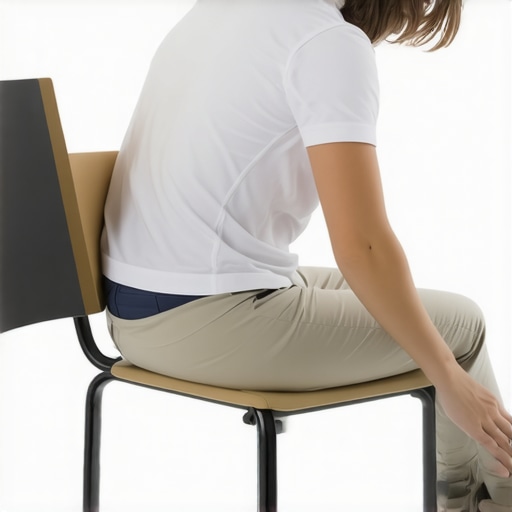
It hit me one morning as I struggled to get out of bed—my lower back ached worse than it had in years. That frustrating, dull ache that refuses to vanish, especially after a night of supposedly supportive sleep. I’d invested in what I thought was the perfect lumbar pillow, expecting sweet relief. But instead, I woke up feeling more stiff and sore. It was a lightbulb moment—most of those popular cervical and lumbar support pillows I relied on just weren’t cutting it, and I had to ask myself: why?
Why Most Lumbar Supports Mislead Us Into a False Sense of Security
In my early days of tackling back pain, I believed that a good pillow could magically fix my posture and tension. I was wrong. Many pillows are designed with a one-size-fits-all mentality, ignoring the unique shape and movement needs of each back. What’s more, they often promote passive support rather than active spinal health. So, I found myself in a cycle of buying different pillows, each promising relief but only leading to more frustration.
Interestingly, research shows that poorly designed or unsuitable support devices can sometimes worsen back issues rather than improve them. According to a study published in the Journal of Back and Musculoskeletal Rehabilitation, improper support can lead to muscle weakening and poor posture over time. This made me realize that relying solely on memory foam cushions or gel pads, without an understanding of what my body truly needed, was akin to putting a band-aid on a leaking dam.
Are you tired of trying countless pillows that promise comfort but leave you feeling worse? Have you experienced that nagging doubt—am I doing this support thing wrong? I certainly did. And to be honest, my biggest mistake was accepting quick fixes instead of seeking personalized, movement-based solutions. For instance, I overlooked the importance of strengthening my core and improving mobility, which are foundational for sustainable back health. You can explore simple exercises that make a real difference [here](https://bodyrenewtherapy.com/boost-your-back-mobility-simple-exercises-that-make-a-difference).
So, if you’re feeling fed up with pillow after pillow, stay with me. The upcoming sections will guide you through understanding why these failures happen, and more importantly, how you can build a support system that actually works—by enhancing mobility, strengthening your muscles, and making smarter choices for your back’s long-term health.
Prioritize Gentle Movement and Posture Awareness
Start by incorporating daily mobility exercises to loosen stiff joints and muscles. For example, perform the simple back mobility exercises that can be completed in 10 minutes. During your day, consciously check your posture, especially when sitting or using devices, to prevent slouching and forward head positions. Think of your spine as a tense rubber band—gentle stretching reduces tension and enhances flexibility.
Implement Micro-Movements Throughout the Day
Break long periods of sitting by standing or moving every 30 minutes. Micro-movements like shoulder rolls, neck tilts, and spinal twists help sustain joint lubrication and muscle suppleness. I applied this during a particularly sedentary workday; I set an alarm to remind me to stretch and walk, which noticeably decreased my afternoon pain.
Build Core and Hip Strength for Long-Term Relief
Strengthening your core serves as the foundation for back stability. Exercises such as planks, dead bugs, and bird-dogs are effective. I used the dead bug variation and noticed my lower back felt more supported, reducing strain during daily activities. Additionally, addressing hip mobility prevents compensatory movements that stress the lumbar spine.
Address Tight Hip Flexors and Psoas Muscles
Tight hip flexors can pull on your pelvis and increase lower back tension. Incorporate stretches like the hip flexor stretch to release this tautness. My personal breakthrough was using this stretch after mornings when my back was stiff; it immediately felt better, demonstrating the power of targeted mobility work.
Adopt Movement Patterns That Protect Your Spine
Learn proper techniques for lifting, bending, and twisting. For example, always hinge at the hips, not the waist, and avoid twisting while lifting heavy objects. I found that practicing the correct form while moving furniture prevented acute injuries and ingrained safer habits. Using your legs instead of your back for lifts reduces strain and promotes spinal health.
Utilize Manual Release Techniques for Muscle Tension
Self-myofascial release methods, such as using a tennis ball on trigger points, can alleviate knots that contribute to pain. I targeted my lower back knots with a tennis ball, which provided instant relief and increased tissue flexibility. Regularly incorporating this into your routine can prevent chronic tightness and facilitate smoother movement.
Integrate Stress Reduction and Breathing Practices
Stress often tightens muscles, especially around the neck and shoulders. Deep breathing exercises or meditation can lower your sympathetic nervous system activity. I started practicing deep diaphragmatic breathing daily, which helped decrease muscle tension and improved my overall posture. Combine this with mindful movement for a holistic approach to back health.
Track Progress and Adjust Accordingly
Keep a journal of your mobility exercises, pain levels, and daily habits. Small improvements over time indicate effective strategies, while plateaus suggest the need for modifications. I found that noting my responses helped me refine my routine, ensuring continuous progress.
Remember, consistency is key. Small, persistent efforts to move intentionally and strengthen support muscles can dramatically alter your back and neck health, leading to sustainable relief and freedom of movement.
,Many people believe that postural correction or support devices alone can resolve chronic back and neck issues. However, a common misconception is that strengthening muscles or stretching is always the right approach, when in reality, misapplied techniques can sometimes worsen the problem. For example, endless stretching of tight muscles without addressing underlying movement patterns may increase joint instability or cause compensatory habits that perpetuate pain. Research by Airaksinen et al. (2006) highlights that incorrect exercise strategies can lead to neural adaptations that intensify symptoms instead of alleviating them. This is why I emphasize the importance of personalized assessments and targeted mobility routines, like those outlined in simple mobility exercises, rather than one-size-fits-all solutions. Another common trap involves relying heavily on Support pillows or devices, which can promote passive support rather than active stabilization, weakening the muscles over time and bread-crumbing the pain cycle. Instead, fostering movement control through dynamic exercises and proper loaded patterns can build resilience. When digging deeper into sciatica, many overlook the complex role that nerve mobility and fascial restrictions play. They focus solely on local muscle stretches instead of addressing nerve gliding techniques or fascial releases that can dramatically improve symptoms. Expert strategies for sciatica relief reveal that nerve glides are often overlooked but critical to restoring function and reducing nerve compression. Advanced practitioners understand that patterns of movement and neural mobility are often the hidden factors behind recurrent pain. Another nuance is how stress and emotional tension influence muscle tightness, a fact many overlook. Chronic stress triggers chemical changes that heighten myofascial tensions, especially around the cervical and lumbar regions, complicating recovery. Techniques such as breath work and mindfulness can complement physical routines for more sustainable results, as discussed in neck pain and stress management. This layered approach addresses both the physical and psychological facets of pain—a critical insight for those frustrated by short-term relief. Now, consider the importance of movement quality over quantity. Do exercises like crunches or broad stretches always help, or can they sometimes reinforce poor movement patterns? In fact, aggressively stretching tight muscles without correction can reinforce faulty motor control, leading to further instability. Instead, focusing on activation and functional movement patterns—like proper hip hinge mechanics—can be more effective. To get started, check out mobility mastery tips aimed at refining movement quality. Lastly, many overlook how lifestyle factors—such as footwear, sleeping positions, or daily load management—are integral to long-term management. Supporting your recovery involves paying attention to these details, avoiding the trap of temporary fixes that ignore daily habits. Remember, real progress demands a nuanced understanding of your body’s interconnected systems, not just symptomatic relief. Have you ever fallen into this trap? Let me know in the comments.
Keep It Working with the Right Equipment and Techniques
Maintaining back and neck health over the years demands more than just routine exercises; it requires the strategic use of targeted tools and mindful habits. I personally swear by a few carefully chosen tools that have transformed my ability to stay pain-free and resilient.
High-Quality Foam Rollers and Massage Balls
For my muscle release routines, I rely heavily on a dense foam roller and a tennis ball. The foam roller allows me to perform self-myofascial release on larger muscle groups like the glutes and quads, which helps prevent compensatory tension in my lower back. The tennis ball is perfect for pinpointing trigger points in hard-to-reach areas, especially around the lumbar region, as demonstrated in this technique. Consistent use of these tools has significantly reduced my muscle knots, leading to more freedom of movement and less pain.
Ergonomic Office Setup
An adjustable sit-stand desk, combined with a monitor riser set at eye level, is a game-changer. Proper alignment reduces strain on the neck and spine. I incorporate the mobility check daily to ensure my posture remains optimal throughout the day. Remember, small ergonomic tweaks regularly help prolong long-term support and prevent chronic issues.
Smart Movement Aids and Apps
Modern technology offers valuable assistance. I use a wearable posture trainer that vibrates when I slouch, reinforcing conscious alignment. Additionally, smartphone apps like the one I use prompt me with personalized mobility routines, making it easier to integrate movement into a busy schedule. These tools keep me accountable and encourage consistent habits, which are crucial for long-term success.
Wearable Support Devices — When Appropriate
While I avoid over-reliance on passive supports, I occasionally use a lightweight lumbar brace during activities that strain my back, such as heavy lifting. The key is to use support devices as an aid, not a crutch, complemented by active muscle engagement. A proper fit and guidance from a physical therapist ensure these aids serve their purpose without weakening your natural muscles.
Looking Ahead: The Future of Back & Neck Maintenance
Advancements in wearable tech, coupled with AI-driven analysis, promise even more personalized and effective support routines. Imagine real-time feedback on your movement quality or stress levels, guiding you towards optimal habits effortlessly. As these innovations become more accessible, maintaining your mobility and pain-free living will grow increasingly manageable.
How do I keep my back and neck healthy over time?
The secret lies in integrating these tools into a consistent routine, emphasizing active movement, strategic support, and ongoing education. For instance, regularly practicing self-myofascial release with a tennis ball can be pivotal in preventing chronic knots, as detailed here. I recommend selecting one primary tool—like a foam roller—and dedicating a few minutes daily to maintain muscle health. Try incorporating a simple mobility check each morning to monitor your progress and identify areas needing attention. Remember, small, disciplined steps are the most effective for long-term results.
Are you ready to elevate your maintenance routine? Start today by integrating one of these tools—perhaps a tennis ball for trigger point release—and notice how your body responds over just a few weeks. Consistency is your best ally in staying pain-free and mobile for years to come.
,
What I Wish I Knew Before Relying on Support Devices
One of my biggest lightbulb moments was realizing that passive support alone doesn’t build resilience. Overusing support pillows or braces can weaken your muscles over time, making you more dependent and less stable. True progress comes from active engagement—strengthening and mobilizing your body, not just cushioning it.
Why Misaligned Movement Patterns Sabotage Your Healing
I discovered that incorrect lifting techniques and poor posture habits perpetuated my pain. Small adjustments, like hinging at the hips and avoiding twisting under load, had a profound impact. Sometimes, fixing how we move daily is more powerful than any therapy or gadget.
How Emotional Tension Influences Physical Pain
Stress and emotional tension rarely get the attention they deserve. I found that incorporating breathing and mindfulness exercises, like deep diaphragmatic breathing, significantly reduced muscle tightness. Recognizing and addressing emotional factors can accelerate recovery and prevent flare-ups.
Strategies That Made me Reconsider My Approach
Applying targeted mobility routines, such as the simple exercises outlined here, shifted my perspective from passive to active care. Regular, mindful movement and proper strength-building became my new normal, empowering me to take control of my health.
Embrace Small Changes for Lasting Impact
Little adjustments—like setting reminders to stretch, improving ergonomic setups, or practicing daily self-myofascial release—accumulated into big improvements over time. The journey isn’t about overnight fixes but consistent, intentional habits. Your body responds best to gentle persistence, not hurried fixes.
Curated Resources to Deepen Your Understanding
For personalized strategies, I recommend exploring the detailed mobility exercises and their comprehensive guides. Books like “Back Mechanic” by Dr. Stuart McGill offered me invaluable insights into proper spinal health, emphasizing movement over immobilization. Using tools like foam rollers and massage balls—trusted in my routine—has helped me maintain muscle flexibility and prevent knots that cause pain. Lastly, staying informed through trusted sources ensures I adapt my habits as I grow, keeping my back healthy for years ahead.
Take the Leap Toward Pain-Free Living
Your journey to better back and neck health starts now, with small, consistent steps. Whether it’s integrating active mobility routines, refining your posture, or addressing emotional tension, each choice empowers you. Remember, sustainable change comes from within—your body is your greatest ally. Are you ready to prioritize movement and mindfulness for a stronger, healthier back?
Have you ever experienced an insight that shifted your approach to back pain? Share your story below—be part of the movement towards lasting relief.
,