
The Difference Between Muscle Soreness and Nerve Irritation
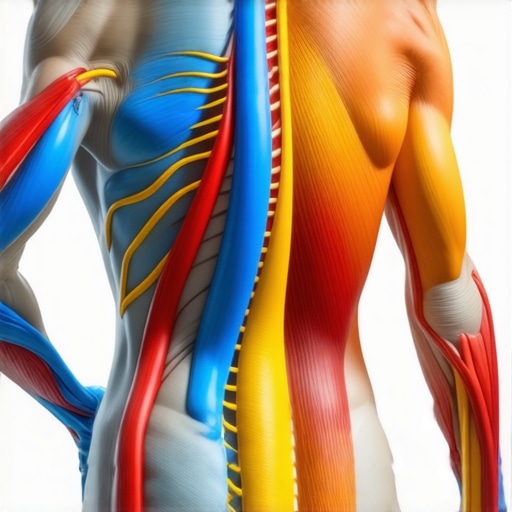
Have you ever pushed through a workout, only to wake up the next day feeling like you’ve been hit by a truck? Or maybe you’ve experienced a sharp, stabbing sensation that makes you hesitate before moving an inch? I sure have. There was a moment when I mistook nerve pain for ordinary muscle soreness—and that misunderstanding almost led me to a frustrating dead end.
Why Understanding The Difference Actually Changes Your Game
Getting clear on whether you’re dealing with muscle soreness or nerve irritation isn’t just a matter of semantics—it can be the difference between quick recovery and lingering pain, or even injury. Recognizing the signs helps you tailor your self-care, avoid unnecessary treatments, and get back to what you love faster. I found this out the hard way early on, when I ignored sharp pains thinking they were just ‘normal’ soreness, only to realize I might have been aggravating a nerve injury instead. That mistake taught me a valuable lesson: to truly recover, I needed to understand what my body was telling me.
Have You Faced This Specific Problem?
If you’ve ever wondered whether that nagging pain in your back or neck is just regular muscle tightness or something more serious like nerve irritation, you’re not alone. Many folks mistake nerve symptoms for ordinary soreness, leading to delayed recovery and sometimes worsening symptoms. Knowing the key differences can save you a lot of time and discomfort.
In fact, studies have shown that misinterpreting nerve pain as muscle soreness can delay proper treatment, prolong discomfort, and sometimes cause further injury. So, how do we distinguish between the two? Let’s peel back the layers and get to the core of what’s really going on inside your body.
Stay tuned because, in the next section, I’ll walk you through the telltale signs that differentiate muscle fatigue from nerve irritation. Trust me, once you get the hang of it, you’ll approach your recovery with confidence—and maybe even reduce the time you spend limping around with pain.
For more tips on managing pain and improving mobility, feel free to check out our effective techniques for lasting pain relief.
Pinpoint Your Pain Source with Precision
Start by carefully observing your symptoms. If you experience tingling, numbness, or shooting sensations, you’re likely dealing with nerve irritation. On the other hand, dull, aching soreness after activity points toward muscle fatigue. Recall a time I mistook a sharp hip pain for soreness—testing with gentle movements revealed nerve involvement, prompting me to adjust my approach.
Set Clear Movement Goals
Design specific exercises targeting your diagnosis. For muscle soreness, focus on gentle stretching and strengthening to restore flexibility. If nerve pain is present, prioritize nerve gliding and mobility drills. For example, I integrated nerve glide exercises into my routine, which helped relieve persistent sciatic discomfort within days. Incorporate movements like the nerve glide to calm irritation.
Apply the Correct Techniques
For Muscle Soreness
Use foam rolling and targeted stretching to break down muscle tightness. A quick session with a foam roller on my hamstrings reduced tension, making daily movements easier. Maintain consistency with mobility exercises from mobility tips to prevent stiffness.
For Nerve Irritation
Perform nerve gliding exercises carefully, ensuring smooth, pain-free movements. I started with gentle wrist and ankle slides, gradually increasing the range. These exercises improve nerve mobility and decrease shooting pains. Focus on avoiding aggravating positions; for example, avoid prolonged hip flexion if that triggers discomfort.
Use Posture and Ergonomics to Your Advantage
Adjust your workspace to reduce strain. Keep screens at eye level to prevent neck tension, and sitting with lumbar support can alleviate back pressure. I found positioning my monitor to be crucial—placing it at a height that encourages an upright posture eliminated much neck pain, as detailed in workspace ergonomics.
Implement Rest and Recovery Strategies
Rest is vital, but complete immobility can worsen issues. Use ice packs to reduce inflammation in nerve cases or heat for muscle soreness. I iced my lower back after flare-ups, which helped decrease nerve swelling. Combine rest with active movement to promote circulation and healing. Gentle walks and specific stretches from stress management techniques can prevent stiffness.
Monitor Progress and Adjust Accordingly
Keep a pain journal to track responses to different techniques. If certain exercises cause increased pain, scale back or modify them. Remember, consistency beats intensity—regular, mindful movement yields better recovery. I adjusted my routine based on discomfort levels, which accelerated my return to full activity without risking further injury.
By implementing these targeted steps, you’ll be able to differentiate and address muscle and nerve pain effectively, fostering faster recovery and greater mobility. For further guidance on specific techniques, consider exploring resources like neck pain solutions or sciatica management.
Many believe that simply strengthening muscles around the spine is the ultimate solution for back pain, but this oversimplification can be a trap. Contrary to popular belief, not all mobility issues stem solely from muscle weakness or tightness. Instead, joint mobility deficits and nerve restrictions often play a more significant role than most realize. Understanding this nuance can dramatically improve your recovery strategies. For example, people tend to focus solely on exercises like planks or sit-ups, but neglect the importance of joint mobilization techniques that target the subtle restrictions preventing true movement freedom.
Are You Falling for the Biggest Movement Myth?
One common misconception is equating pain relief with increased movement. In reality, pushing through pain without respecting underlying joint restrictions can worsen the condition. Take nerve entrapment syndromes, such as sciatica—what most overlook is that nerve gliding exercises are often more effective than simply stretching muscles. Incorporating targeted nerve mobility drills, like these proven approaches, can unlock movement from within, eliminating the persistent discomfort.
Studies highlight that nerve gliding exercises, when done correctly, improve nerve compliance and reduce symptoms more than generic stretching. So, next time you feel pain, ask yourself: Am I addressing the root cause or just symptom masking? For deeper insights and tailored techniques, check out how stress impacts neck pain.
Another overlooked aspect is posture variability. Rigid postures over time can lead to joint stiffening, which isn’t fixed by just strengthening muscles. Instead, mobility training that emphasizes gentle, controlled movement across different ranges prevents joint capsule degeneration. Incorporating such practices can be a game-changer, especially when combined with ergonomic adjustments discussed in these simple mobility tips.
Think You’re Doing It Right? Think Again
Many people mistakenly think that the deepest, most intense stretches are always best, but research shows that active mobility drills performed within a pain-free range are more effective for long-term health. For instance, performing daily movement routines that promote joint lubrication and nerve gliding can prevent stiffness and reduce nerve irritability. Remember, quality over quantity truly matters when it comes to dynamic movement.
Have you ever fallen into this trap? Let me know in the comments. By uncovering and addressing these nuanced misconceptions, you can accelerate your recovery and truly regain your mobility. For customized strategies, reach out via our contact page and start your journey toward pain-free movement today.
Investing in Your Recovery Tools
Maintaining your spinal health and nerve mobility over the long haul hinges on having the right equipment and knowledge. Personally, I swear by a high-quality foam roller, specifically the TriggerPoint GRID Foam Roller. Its textured surface allows me to target my tight muscles more effectively than standard rollers, helping me break down fascial adhesions that could otherwise lead to chronic discomfort. Incorporating tools like a massage ball, such as a Lacrosse Ball, has also proven invaluable in releasing stubborn knots in my lower back and hips. These small but mighty investments make daily mobility exercises more effective and sustainable.
When it comes to software and apps, tracking your progress is essential. I recommend using a dedicated journal or digital app to log your pain levels, movements, and exercises. This habit not only helps identify patterns, but it also reinforces accountability. Tools like our recommended techniques stress the importance of consistent movement, and keeping a digital log makes this process easier and more motivating.
Routine Maintenance for Lasting Results
One aspect often overlooked is establishing a routine that adapts as your body improves. I follow a weekly schedule that combines nerve gliding exercises, mobility drills, and ergonomic checks. This proactive approach prevents setbacks and ensures progress. Moreover, I schedule regular posture assessments—either through physical therapy or self-checks using mirrors—to catch any deviations early. In the future, I predict that smart wearable tech, like posture sensors, will become commonplace, providing real-time feedback and personalized correction tips, making maintenance even more seamless.
How do I keep my progress sustainable over time?
To make your gains stick, consistency is key. Set reminders to perform mobility drills, invest in quality tools, and pay attention to ergonomic adjustments at work and home. For example, adjusting your monitor height or chair setup can significantly reduce nerve irritation from repetitive strain. Digital resources, like stress management techniques, complement physical tools by reducing muscle tension caused by stress and posture habits. Remember, small, regular investments in your spine health pay off enormously in the long run. Don’t hesitate to try advanced tips like nerve gliding with a dedicated nerve flossing kit—it might just take your recovery to the next level. For a comprehensive approach, explore our proven strategies for sciatic relief.
The Hardest Lesson I Learned About Mobility and Pain
One of the most eye-opening lessons I encountered was realizing that not all movement causes healing. Sometimes, pushing through pain only deepens the injury, especially when it involves nerves or joint restrictions. I used to believe that more effort equated to faster recovery, but I soon discovered that respecting my body’s signals and prioritizing gentle, targeted movements made all the difference.
How Overconfidence in Stretching Can Backfire
I once thought that intense stretching was the key to ending back pain. However, it often led me to worsen nerve irritation, especially when I ignored mild but persistent shooting sensations. The breakthrough came when I shifted to active, pain-free mobility drills focused on nerve gliding, which not only eased discomfort but also restored my confidence in progressing safely.
Ignoring Posture and Ergonomics Is a Common Pitfall
Initially, I underestimated how much simple ergonomic adjustments at work could prevent relapses. Elevating my monitor and supporting my lumbar spine reduced unnecessary nerve strain, proving that small, mindful ergonomics are foundational to long-term relief. This taught me that consistent, preventive habits outweigh occasional intense treatments.
Investing in Quality Tools Changed My Recovery Game
Discovering the right mobility tools, like a TriggerPoint GRID Foam Roller and a massage ball, revolutionized my ability to maintain movement and reduce pain without constant therapy sessions. These investments empower self-care and bring long-term benefits, reaffirming that effective recovery tools are worth every penny.
Active Maintenance Outperforms Sporadic Efforts
Creating a routine of daily nerve gliding, gentle stretches, and posture checks turned daily pain management into a sustainable habit. I learned that consistency, rather than sporadic intense sessions, builds resilience and keeps setbacks at bay. Mindful, regular movement truly becomes your best ally in staying pain-free.
Resource Spotlight for Lasting Relief
Over time, I relied heavily on trusted resources like this guide on pain relief techniques and ergonomic tips to fine-tune my approach. These expert-backed tools and strategies provide clarity and confidence, transforming how I view and manage back and nerve pain long-term.
Broadening My Perspective Through Continuous Learning
Engaging with insightful articles about joint mobility, nerve health, and posture has shown me that recovery isn’t just about exercises—it’s a holistic lifestyle shift. Embracing movement variability and addressing stress-related tension created a comprehensive pathway toward lasting comfort. This ongoing learning journey keeps me motivated and eager for new discoveries.
The Biggest Realization About Pain and Movement
- Sensation Matters: That dull ache or sharp sting is your body’s language—learning to interpret it prevents further damage.
- Gentle Movements Are Powerful: Active nerve gliding and mobility drills are often more effective than aggressive stretching.
- Posture Is a Continuous Practice: Small ergonomic shifts daily have cumulative protective effects.
- Investing in Knowledge and Tools Pays Off: Trusted resources and effective tools like foam rollers make self-care sustainable.
- Consistency Is Key: Regular, mindful movement routines sustain progress and prevent setbacks.
Keep Moving Forward with Confidence
This journey taught me that respecting my body’s signals, implementing targeted techniques, and maintaining consistent habits are the pillars of long-term relief. Your mobility and comfort are within your reach—embrace the knowledge and tools that empower you to live pain-free. Remember, every small step adds up to a healthier, more mobile you. Ready to take that next step with confidence?
Have you ever realized a small change made a big difference in your recovery? Share your story below—I’d love to hear how you’ve turned insights into action on your path to better movement.
,