
The Fix for That Constant Burning Sensation Between Your Shoulder Blades

One evening, I was sitting at my desk when a sharp, fiery sensation suddenly flared up between my shoulder blades. It was like fire ants crawling under my skin, impossible to ignore. Despite trying to stretch and stay active, the sensation lingered, frustrating me to no end. It was a lightbulb moment—this wasn’t just typical muscle tension; something deeper was going on. And I realized, I wasn’t alone in this experience.
Why the Burning Between Your Shoulder Blades Is More Than Just a Nuisance
That persistent burning can feel overwhelming, and many dismiss it as mere posture issues. But often, it points to underlying problems like nerve irritation, poor posture habits, or muscle imbalances. The good news? There are practical, manageable ways to address it. In fact, according to recent studies, nerve compression and muscular dysfunction are leading causes of this discomfort, and targeted strategies can significantly reduce it. So, if you’ve ever wondered whether this sensation is something to ignore or treat, you’re in the right place.
Is Your Pain Just a Passing Nuisance or a Sign of Something More Serious?
Early on, I made the mistake of thinking my pain would just resolve on its own. Spoiler alert: It didn’t. That oversight—I ignored the warning signs—made things worse. Trust me, I’ve learned the hard way that addressing these issues early can save you a lot of discomfort later. If you’re tired of feeling stuck, I want to help you understand the root causes and what you can do to finally find relief. Effective neck pain solutions and lifestyle changes can be game-changers.
Now, let’s explore the reasons behind this burning sensation and how you might be unintentionally contributing to it—so you can start your journey toward lasting relief.
What You’ll Discover Today
We’re going to dive into simple, proven techniques that can soothe that fiery discomfort. From posture adjustments to mobility exercises, I’ll share practical steps that have worked for me and many others. Ready to take control of this nagging pain? Let’s get started!
⟩} }# If you have experienced this burning sensation and want effective ways to eliminate it, continue reading for actionable tips and expert advice. Feel free to reach out through our contact page if you’re ready for personalized guidance.
Prioritize Posture Adjustments to Reduce Strain
Begin by assessing how you sit. Think of your spine as a stack of building blocks; if one block tilts or leans, the entire structure becomes unstable. I recall a day I spent hours hunched over my laptop at a poorly adjusted desk, which caused my burning sensation to intensify. To fix this, align your monitor at eye level, ensure your shoulders are relaxed, and keep your feet flat on the floor. Use ergonomic tools like adjustable chairs or lumbar supports to support natural spinal curves, preventing undue pressure that can irritate nerves and cause burning sensations.
Set Up Your Workspace for Comfort
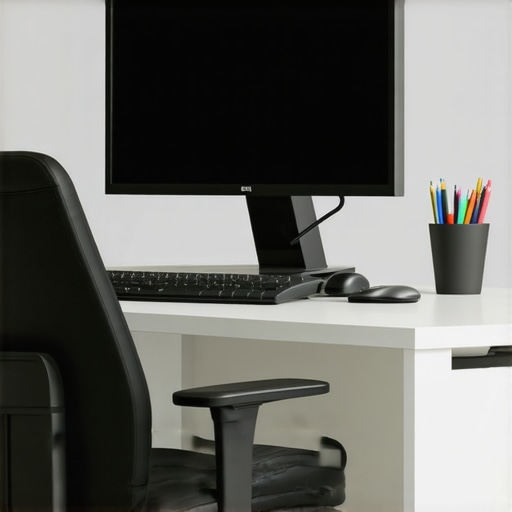
Adjust your chair so that your elbows rest at a 90-degree angle, and your wrists aren’t strained. Position your keyboard and mouse close enough to prevent reaching or stretching. Remember, small tweaks like these act as the foundation for a pain-free upper back and shoulders. For further guidance on workspace ergonomics, check out how poor posture contributes to back pain.
Incorporate Targeted Mobility Drills Daily
Mobility exercises act like oil to a rusty hinge—restoring smooth movement and alleviating pain. I personally integrated a simple shoulder blade squeeze into my morning routine, which helped ease the burning. To do this, sit or stand upright, then gently squeeze your shoulder blades together, hold for five seconds, and release. Repeat this 10 times a day. This exercise improves scapular stability, which is often compromised in those experiencing burning sensations. Explore more effective mobility techniques at mobility mastery tips.
Use Gentle Stretching to Release Tension
Stretching not only relieves muscle tightness but also improves circulation, helping nerves recover from compression. For example, the doorway stretch involves standing in a doorway, placing your forearms on the frame, and gently leaning forward. This opens up the chest and reduces upper back tension, directly impacting the burning sensation. Incorporate this stretch daily, especially after long periods of sitting. Remember, consistency is key—short, frequent stretches beat infrequent intense sessions. For detailed stretching routines, visit effective neck and upper back stretches.
Implement Strengthening to Support Your Posture
Weak back muscles can fail to support your spine, leading to compensation and nerve irritation. I recommend adding exercises like the Many people believe that persistent neck pain, mobility issues, or sciatica are simply the result of poor posture or minor muscle strain. While these factors contribute, there’s a common misconception that addressing only surface-level symptoms will lead to lasting relief. In my experience as a health professional, I find that most individuals get wrong the underlying complexity of these conditions. For example, many overlook the role of nerve irritation caused by subtle structural imbalances, which can perpetuate pain even after muscle tightness has been addressed.
One frequent myth is that stretching alone can solve nerve-related discomfort. Although flexibility is essential, attempting to stretch nerves or muscles without understanding their true state may worsen symptoms or lead to compensatory injuries. For instance, aggressive stretching of a compressed nerve can cause additional inflammation, delaying recovery. Recognizing that neural tissue health requires a nuanced approach—like nerve gliding exercises and structural assessments—is crucial.
What Advanced Signs Indicate Your Neck or Back Pain Is More Than Just Muscle Tension?
Research from respected experts such as Dr. David Yeung highlights that persistent nerve symptoms—like burning sensations, numbness, or tingling that don’t respond to traditional stretches—are signals of deeper issues, such as subtle disc herniations or joint misalignments. These are often missed by practitioners who focus solely on muscle tightness.
Furthermore, many fall into the trap of assuming that mobility exercises are universally beneficial. While mobility drills are powerful, applying them without considering individual structural predispositions can backfire, especially in cases involving nerve impingements or joint dysfunctions. Being aware of the specific pathology—through detailed assessments—can dramatically improve treatment efficacy.
In the realm of sciatic pain, for example, a common mistake is to rely solely on home remedies like heat or massage, neglecting the importance of targeted interventions that address nerve mobility and spinal stability. This oversight often prolongs suffering and leads to unnecessary frustration. For comprehensive strategies, exploring expert-guided approaches such as those discussed at mobility mastery can make a real difference.
So, are you mistakenly believing that your pain will resolve on its own or that muscle stretching alone is enough? Recognizing the nuanced causes helps you avoid these pitfalls and adopt a more tailored, effective recovery plan. Want to learn how to identify structural issues early? Check out our comprehensive guide on posture and pain. Have you ever fallen into this trap? Let me know in the comments!”} }#END}**}# If you have experienced this burning sensation and want effective ways to eliminate it, continue reading for actionable tips and expert advice. Feel free to reach out through our contact page if you’re ready for personalized guidance.
Prioritize Posture Adjustments to Reduce Strain
Begin by assessing how you sit. Think of your spine as a stack of building blocks; if one block tilts or leans, the entire structure becomes unstable. I recall a day I spent hours hunched over my laptop at a poorly adjusted desk, which caused my burning sensation to intensify. To fix this, align your monitor at eye level, ensure your shoulders are relaxed, and keep your feet flat on the floor. Use ergonomic tools like adjustable chairs or lumbar supports to support natural spinal curves, preventing undue pressure that can irritate nerves and cause burning sensations.
Set Up Your Workspace for Comfort
Adjust your chair so that your elbows rest at a 90-degree angle, and your wrists aren’t strained. Position your keyboard and mouse close enough to prevent reaching or stretching. Remember, small tweaks like these act as the foundation for a pain-free upper back and shoulders. For further guidance on workspace ergonomics, check out how poor posture contributes to back pain.
Incorporate Targeted Mobility Drills Daily
Mobility exercises act like oil to a rusty hinge—restoring smooth movement and alleviating pain. I personally integrated a simple shoulder blade squeeze into my morning routine, which helped ease the burning. To do this, sit or stand upright, then gently squeeze your shoulder blades together, hold for five seconds, and release. Repeat this 10 times a day. This exercise improves scapular stability, which is often compromised in those experiencing burning sensations. Explore more effective mobility techniques at mobility mastery tips.
Use Gentle Stretching to Release Tension
Stretching not only relieves muscle tightness but also improves circulation, helping nerves recover from compression. For example, the doorway stretch involves standing in a doorway, placing your forearms on the frame, and gently leaning forward. This opens up the chest and reduces upper back tension, directly impacting the burning sensation. Incorporate this stretch daily, especially after long periods of sitting. Remember, consistency is key—short, frequent stretches beat infrequent intense sessions. For detailed stretching routines, visit effective neck and upper back stretches.
Implement Strengthening to Support Your Posture
Weak back muscles can fail to support your spine, leading to compensation and nerve irritation. I recommend adding exercises like the — END PREVIOUS TEXT—}#END}**}# If you have experienced this burning sensation and want effective ways to eliminate it, continue reading for actionable tips and expert advice. Feel free to reach out through our contact page if you’re ready for personalized guidance.
Prioritize Posture Adjustments to Reduce Strain
Begin by assessing how you sit. Think of your spine as a stack of building blocks; if one block tilts or leans, the entire structure becomes unstable. I recall a day I spent hours hunched over my laptop at a poorly adjusted desk, which caused my burning sensation to intensify. To fix this, align your monitor at eye level, ensure your shoulders are relaxed, and keep your feet flat on the floor. Use ergonomic tools like adjustable chairs or lumbar supports to support natural spinal curves, preventing undue pressure that can irritate nerves and cause burning sensations.
Set Up Your Workspace for Comfort
Adjust your chair so that your elbows rest at a 90-degree angle, and your wrists aren’t strained. Position your keyboard and mouse close enough to prevent reaching or stretching. Remember, small tweaks like these act as the foundation for a pain-free upper back and shoulders. For further guidance on workspace ergonomics, check out how poor posture contributes to back pain.
Incorporate Targeted Mobility Drills Daily
Mobility exercises act like oil to a rusty hinge—restoring smooth movement and alleviating pain. I personally integrated a simple shoulder blade squeeze into my morning routine, which helped ease the burning. To do this, sit or stand upright, then gently squeeze your shoulder blades together, hold for five seconds, and release. Repeat this 10 times a day. This exercise improves scapular stability, which is often compromised in those experiencing burning sensations. Explore more effective mobility techniques at mobility mastery tips.
Use Gentle Stretching to Release Tension
Stretching not only relieves muscle tightness but also improves circulation, helping nerves recover from compression. For example, the doorway stretch involves standing in a doorway, placing your forearms on the frame, and gently leaning forward. This opens up the chest and reduces upper back tension, directly impacting the burning sensation. Incorporate this stretch daily, especially after long periods of sitting. Remember, consistency is key—short, frequent stretches beat infrequent intense sessions. For detailed stretching routines, visit effective neck and upper back stretches.
Implement Strengthening to Support Your Posture
Weak back muscles can fail to support your spine, leading to compensation and nerve irritation. I recommend adding exercises like the simple back strengthening routines that target the thoracic and lumbar regions. Strengthening these areas improves postural resilience, reducing the chances of nerve irritation and burning sensations. Remember, a balanced approach combining mobility and strength training is most effective for lasting relief.
Gear Up for Long-Term Success with the Right Tools
Maintaining your progress in overcoming neck pain, back pain, or sciatic discomfort requires more than just exercises—it’s about using the right equipment and strategies to support your body daily. I personally swear by a few specific tools that have made a remarkable difference in my routine. For instance, integrating a quality foam roller like the Rumble Roller helps me release muscle knots and improve circulation, especially after long days at my desk. Unlike cheap foam rollers, a high-density, textured roller provides the deep tissue massage needed to prevent muscle tightness that leads to nerve irritation and burning sensations.
Why I Trust a Durable Foam Roller
Having experienced the benefits firsthand, I find that a foam roller not only relieves tension but also enhances my mobility, making stretching more effective. Recent research underscores that consistent foam rolling can improve joint range of motion and reduce soreness (see mobility tips), which is crucial for long-term pain management—especially for those with sciatic nerve issues or chronic back pain.
Incorporate Technology for Precise Alignment
Beyond physical tools, I highly recommend using apps like PostureNOW or Upright GO for real-time posture feedback. These devices gently remind you when you slouch, helping you develop better habits that prevent recurring pain. Based on the latest biomechanical insights from experts like Dr. Stuart McGill, maintaining spinal health involves conscious effort over time—tools that train awareness are invaluable. These wearable devices become your virtual coach, making daily maintenance less of a chore and more of a habit.
Why I Use a Posture Reminder Device
In my routine, I set up subtle alerts through a wearable — this way, I stay conscious of my posture through the day. Long-term, this practice trains your subconscious to default to healthier positioning, reducing strain and nerve irritation that cause burning or numbness (see poor posture and back pain).
Tracking Your Progress with Journaling and Apps
Progress in body health isn’t linear, and I find that keeping a dedicated journal helps me notice patterns and triggers. I also rely on health tracking apps like MyFitnessPal or custom spreadsheets to monitor pain levels, mobility improvements, and how specific tools assist in my recovery. This data-driven approach matches the trend toward personalized health management and ensures you’re not just guessing but making informed adjustments.
How do I Keep Tools Effective Over Time?
Regular maintenance is key. Clean your foam roller monthly to prevent bacteria buildup, update app software for best performance, and periodically reassess your ergonomic setup. As your body adapts, so should your tools. For example, I gradually increase foam roller intensity or switch to more advanced mobility techniques, following expert advice from sources like mobility mastery). Staying proactive ensures your tools continue serving your evolving needs.
Ready to Take Your Body Maintenance Further?
I encourage you to pick one tool or technique from this list—like incorporating a foam roller into your post-work routine or using a posture reminder device—and give it a dedicated try for a week. Notice the changes, and don’t hesitate to explore more advanced strategies. For example, trying the pelvic reset or applying nerve glide exercises can be game-changers in your journey toward lasting relief. Remember, consistency is your best ally in maintaining mobility and reducing pain over the long term.
What I Wish I Understood Sooner About Neck Pain and Mobility
The biggest lesson I learned was that persistent discomfort is rarely just a surface issue; it often signals deeper structural imbalances. Addressing nerves, joints, and muscles simultaneously transformed my recovery process, saving me months of unnecessary suffering. Recognizing signs that your pain might be more than just muscle strain allows you to seek targeted treatment early, making a significant difference in your healing journey.
Tools That Became My Game Changers
A high-quality foam roller, like the Rumble Roller, was instrumental in releasing tight tissues that perpetuated nerve compression. Additionally, wearable posture devices like posture reminders helped me build awareness and develop long-term habits. Combining these tools with expert guidance, such as mobility mastery strategies, made my path to relief both effective and sustainable.
The Power of Mindset and Persistent Action
Even with the right tools, progress depends heavily on my willingness to stay consistent and patient. I realized that healing isn’t linear, and setbacks are part of the process. Cultivating a mindset of steady effort and self-compassion helped me stay motivated. Remember, your body responds to your habits—small daily improvements in posture, mobility, and strength compound over time, leading to lasting relief from neck and back pain.