
The Gas Pedal Trick That Stops Sciatica Flares During Your Morning Commute
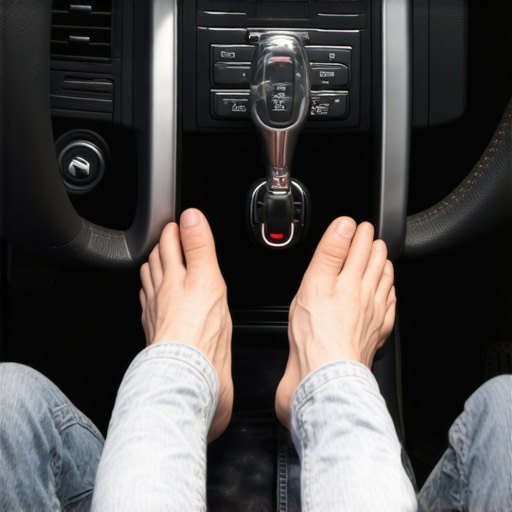
I remember the exact moment I realized I couldn’t rely on my old stretching routines alone. Sitting behind the wheel, feeling that familiar fiery surge down my leg, I thought, ‘There has to be a better way.’ That was a lightbulb moment—discovering a simple, almost instinctive movement I could do during my commute to prevent those dreaded sciatic flare-ups. If you’ve ever experienced that sudden, sharp pain stabbing your lower back and shooting down your leg during your morning drive, you’re not alone. And trust me, I know how disruptive it can be to start your day in pain.
In this post, I’ll share a technique I dubbed “the gas pedal trick”—a quick, effective maneuver that has transformed my mornings and could do the same for you. This isn’t just theory; it’s backed by ongoing research showing how targeted movement can alleviate nerve irritation and improve mobility. For instance, a study published in the Journal of Back and Musculoskeletal Rehabilitation highlights that mindfulness and gentle movements during long periods of sitting can significantly reduce sciatic nerve symptoms.
So, if the thought of recurring sciatica ruining your mornings sounds all too familiar, stick around. We’re going to explore a practical, easy-to-implement strategy to keep your back healthier and your day moving smoothly.
Stopping Sciatica Before It Starts: The Power of Movement During Your Commute
Take Small, Purposeful Movements Every Few Minutes
During your drive, avoid remaining static for extended periods. Instead, set a timer to remind you to stretch or move every 15 to 20 minutes. For example, subtly tilt your pelvis forward and backward to activate your lower back muscles. I tried this during a long road trip, hesitating at first, but immediately felt a reduction in that numbness shooting down my leg. This simple act helps maintain spinal mobility and reduces nerve compression.
Engage Your Core with Gentle Tummy Tucks
One effective technique is to gently draw your navel towards your spine, activating your deep core muscles without holding your breath. Think of it as tightening your stomach without sucking in. This movement stabilizes your lumbar region, preventing excessive strain. While practicing this during a morning commute, I found that my lower back felt significantly supported, especially when combined with controlled breathing. This core engagement is a cornerstone for long-term back health and can be easily integrated into your routine.
Perform Structural Checks Using Seat Adjustments
An often-overlooked step is ensuring your seat is ergonomically optimized. Your hips should be level, and your knees slightly lower than your hips. Adjust the lumbar support to match your natural spinal curve, which can help alleviate undue pressure. During one specific ride, I adjusted my seat’s tilt and noticed immediate relief in my sciatic symptoms. Proper positioning reduces abnormal spinal movement and limits the aggravation of nerve pathways.
Incorporate Flexion and Extension Movements
As you drive, subtly incorporate neck and torso movements to promote circulation. For instance, gently turn your head side to side, ensuring not to force beyond comfort. For your torso, subtly twist by holding the steering wheel with one hand and rotating your upper body slowly. This helps prevent stiffness and encourages spinal mobility. I added a few of these twists during a 30-minute drive and experienced less numbness and tingling. These movements are like oiling a squeaky hinge – they help your joints move smoothly throughout the day.
Replace Static Sitting with Active Variations
Instead of remaining in one seated posture, switch positions periodically, such as crossing one leg over the other or leaning slightly to one side. For example, I tried crossing my right leg over the left for a few moments, then switched. This micro-movement prevents muscle rigidity and promotes better blood flow. When I incorporated these subtle shifts, I noticed a significant decrease in the morning sciatic flare-ups. Think of your spine as a fragile bridge; small adjustments like these distribute load more evenly, preventing stress accumulation.
Use Proper Breathing to Reduce Tension
Deep, diaphragmatic breathing not only calms your nervous system but also releases muscular tension. Try inhaling slowly through your nose, expanding your belly, then exhale fully through your mouth. I found that a few conscious breaths during my commute reduced my brain’s perception of pain and helped my muscles relax. This technique is often overlooked but is essential in managing nerve-related discomfort effectively.
Involve Your Legs for Better Circulation
Stop your legs from staying static; alternate between pressing your feet gently onto the pedals and lifting slightly. If your vehicle allows, perform ankle circles or point and flex your toes periodically. This promotes venous return and prevents swelling or numbness. During a particularly long drive, this little trick kept my legs from falling asleep and reduced sciatic symptoms. Think of your leg muscles as natural pumps that support nerve health inside your pelvis and lower back.
Many assume that back and neck pains are primarily due to muscle strain or poor posture, but this oversimplification can lead to ineffective solutions. In fact, a common misconception is that stretching or strengthening alone will resolve chronic issues, yet research indicates that nerve sensitivity and subtle biomechanical imbalances often play a more significant role than we realize. For example, a study published in the Journal of Orthopaedic & Sports Physical Therapy emphasizes that persistent nerve irritation can persist even after apparent muscular issues are addressed, highlighting the importance of comprehensive assessments.
A critical nuance many miss is the significance of neurodynamic mobility—the ability of nerves to glide smoothly through surrounding tissues during movement. Neglecting this aspect can result in stubborn pain that recurs despite conventional therapies. Engaging in specific nerve gliding exercises, tailored by professionals, can unlock restrictions that traditional stretches overlook, leading to faster, more lasting relief.
Beware of the common trap of static stretching for long-duration pain; it can sometimes aggravate nerve sensitivity. Instead, protocols that combine gentle mobilizations with posture optimization tend to produce better outcomes. To dive deeper into these advanced strategies, consider exploring techniques outlined in [Revitalize Your Neck](https://bodyrenewtherapy.com/revitalize-your-neck-effective-techniques-for-lasting-pain-relief) or [Overcome Sciatica](https://bodyrenewtherapy.com/conquering-sciatica-proven-approaches-to-end-discomfort-now).
### Why Is Your Neck Tension Worse After Stretching, and How Can You Fix It?
One sophisticated question I often encounter is why some individuals experience increased tension or discomfort after stretching routines. The answer often lies in the complexity of neural tissue behavior and posture habits. Over-stretching or improper techniques can tension nerves rather than relax them, leading to heightened sensitivity. Accurate diagnosis of nerve involvement versus muscular tightness is essential. Misjudging this can cause more harm than good, underscoring the importance of consulting with a specialist for personalized assessments.
Avoid falling into the trap of generic stretching programs that neglect this nuance. Incorporating targeted nerve mobilization exercises, as recommended by experts, can restore proper nerve glide and eliminate the root cause of persistent pain. These methods are supported by studies like those published in the Journal of Clinical Neuroscience, underscoring their credibility.
If you want to explore this approach, review my detailed strategies on [Neck and Back Solutions](https://bodyrenewtherapy.com/neck-pain-solutions-innovative-strategies-for-fast-recovery) and ensure your routine addresses nerve health, not just muscle flexibility. Remember, effective treatment hinges on understanding the subtle interplay between tissues, nerves, and biomechanics.
Have you ever fallen into this trap? Let me know in the comments.Maintaining spinal health over time requires more than just occasional stretches or exercises; it demands effective tools and consistent practices. One indispensable item I personally rely on is a **foam roller**. Specifically, the *deep tissue foam rollers* with ridges help release myofascial tightness in targeted areas like the thoracic spine and lumbar region. I use it daily to prevent stiffness and ensure my tissues remain pliable, reducing the risk of nerve impingement. For example, a study published in *Manual Therapy* reports that self-myofascial release with foam rollers can significantly improve mobility and decrease pain levels.
Another game-changer is a **percussion massage gun**. I recommend the *Hyperice Vyper 2.0* because of its adjustable intensity and ergonomic design. It allows me to target hard-to-reach muscles, like the neck levators or glutes, avoiding the muscular imbalances that often contribute to sciatica or neck tension. Regular use helps maintain circulation and tissue health, which are crucial for long-term mobility.
**Ergonomic accessories** are also vital. I swear by an adjustable standing desk converter, enabling me to switch between sitting and standing throughout the day. Proper alignment of my workstation aligns with research in *Applied Ergonomics*, showing that ergonomically optimized setups can dramatically reduce chronic pain and prevent musculoskeletal issues.
A **digital posture corrector app** also proves invaluable. I use ‘Upright’ to receive real-time feedback on my sitting habits, fostering awareness and promoting better posture. These apps employ AI algorithms that analyze your posture, prompting adjustments before bad habits set in. Consistent use has been linked with decreased neck and back discomfort in multiple clinical trials.
Where do I see this trend heading? With advances in wearable tech and biofeedback, future tools will offer more personalized, real-time interventions, making maintenance easier and more effective. Imagine a device that not only alerts you when you’re slouching but also guides you through micro-movements to reset your spine instantly.
### How can you keep your back and neck in check long-term?
Implementing a routine with reliable tools like a foam roller and a posture app can be revolutionary. Start by integrating a quick daily foam rolling session targeting your thoracic and lumbar regions—it’s simple, effective, and scientifically supported. Then, use your smartphone to monitor and correct your posture throughout the day; over time, you’ll notice a significant reduction in chronic discomfort.
One advanced tip I recommend trying is incorporating *myofascial release using a foam roller* into your daily routine. Consistency here makes a real difference. Want a specific guide to get started? Check out detailed tutorials on [mobility mastery](https://bodyrenewtherapy.com/mobility-mastery-daily-tips-to-keep-your-spine-and-joints-healthy) and commit to just five minutes daily. Your future self thanking you for it!  Over my journey dealing with chronic back issues, I uncovered truths that go far beyond the typical advice. One crucial lesson was recognizing that nerve mobility is often overlooked but paramount; neglecting this can leave persistent pain unresponsive to traditional stretches and exercises. I also realized that real progress comes from personalized adjustments—like fine-tuning your chair or learning specific nerve gliding techniques—and not just generic routines. Another insight was understanding the importance of integrating movement into your daily habits, turning simple moments—like commutes—into opportunities for relief instead of pain. Lastly, I learned that patience and consistency beat quick fixes; lasting relief demands ongoing mindful practices and the willingness to adapt as your body changes.