
Why Your Core Strength Might Be Masking Deeper Spinal Issues
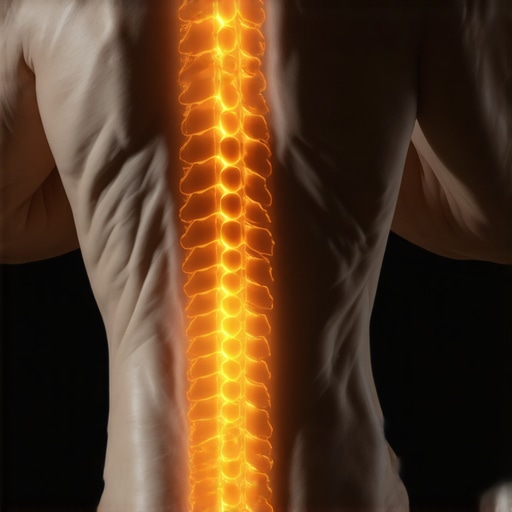
Have you ever felt a twinge in your lower back after a seemingly innocent workout or even a long day at your desk, only to brush it off and push through? I remember the moment I realized that my so-called “strong core” might have been hiding a deeper, more stubborn spinal problem. It was a dull ache that refused to go away, no matter how many sit-ups or planks I did. That lightbulb moment made me question everything I thought I knew about core strength and back health.
Peeling Back the Layers of Back Pain
For years, I believed that building a powerful core was the key to a pain-free back. I focused on crunches, bridges, and all the popular exercises, sure that I was insulating myself from injury. But after persistent discomfort, I discovered something startling: strong-looking abs don’t necessarily mean your spine is healthy. Sometimes, our core muscles can actually be compensating for underlying issues like joint misalignments or disc degeneration. That’s when I understood that my core might be masking problems that require a different approach.
According to recent research, relying solely on core strengthening can overlook the root causes of back pain, especially when deeper spinal problems are at play. For instance, poor posture and muscular imbalances often go hand-in-hand with hidden issues that won’t improve just by doing more crunches. The key is to balance strengthening with targeted mobility and postural correction techniques. If you’ve been frustrated by failed attempts to fix your back, you’re not alone; I’ve been there, too.
Could You Be Mistaking a Mask for a Cure?
Early in my journey, I made the mistake of focusing only on muscle strength, neglecting other crucial factors like spinal alignment and joint health. It’s a common trap—believing that a stronger core is a silver bullet. But in reality, ignoring deeper issues can lead to persistent pain that gets worse over time. Want to learn how to tell if your core is truly the hero of your back health or just covering up a more serious problem? I’ll walk you through practical steps later in this post.
For now, ask yourself: have I been chasing core exercises without addressing underlying mobility or postural issues? If that sounds familiar, don’t worry. There’s a better way, and it starts with understanding what’s really going on beneath the surface. Let’s dive into how you can identify and tackle those hidden spinal problems—so you can finally move freely again.
Identify the Root Cause of Your Pain
Begin with a precise self-assessment. Notice when the pain worsens: is it during certain movements, after long periods of sitting, or during specific activities? Compare your posture in different positions, and consider recording yourself while performing simple tasks like bending or standing. For example, I once recorded myself while sitting at my desk and noticed my pelvis tilted forward, contributing to my discomfort. Recognizing these patterns helps target your therapy effectively. To deepen your understanding, check out how poor posture links to back issues.
Start Restoring Mobility with Gentle Movements
Mobility exercises are crucial to free up restricted joints and muscles. Think of your spine like a rusty hinge; the more it moves, the less it squeaks. Incorporate specific moves like gentle thoracic rotations and pelvic tilts, which can be done daily. I personally began with slow side twists after noticing stiffness in my upper back, and within a week, I felt a noticeable loosening. For targeted relief, explore simple exercises to improve your back mobility. Regular, controlled movements prevent your spine from becoming stiff and help distribute load evenly.
Use Foam Rolling to Release Tense Muscles
Foam rolling acts like a magic wand for muscle knots. Focus on areas like the upper traps, erector spinae, and glutes, which often harbor tightness that pulls your spine out of alignment. I once spent five minutes rolling my lower back and hips after prolonged sitting, and the relief was instant. Remember to keep pressure moderate and avoid rolling directly on the lumbar spine. Check out best foam rolling techniques for sciatic relief for detailed guidance.
Correct Posture and Ergonomics for Long-Term Relief
Poor ergonomic setups are silent culprits behind chronic pain. Adjust your desk, chair, and monitor to maintain a neutral spine position. Your ears should align over your shoulders, and hips over knees. I fixed my forward head posture by slightly raising my monitor and practicing chin tucks during breaks, which drastically reduced neck strain. For actionable tips, see ergonomic adjustments for better back health. Small, consistent improvements transform your daily posture and prevent future issues.
Strengthen Integrative Support Muscles
While mobility is essential, strengthening the right muscles supports functional stability. Focus on activating deep core muscles, like the transverse abdominis, through exercises like the dead bug or bird-dog. These help stabilize your spine during daily movements, much like a scaffold supports a building. I incorporated dead bugs into my routine, noticing my back felt more supported and less prone to flare-ups. To learn more, visit dead bug exercises for spinal stability.
Incorporate Mindful Movement and Breathing
Mindfulness enhances muscle control and relaxation. Practice deep diaphragmatic breaths—think of inflating your belly like a balloon—to reduce muscle tension and nervous system overload. I found that adding breathing exercises during stretches increased their benefit, easing my back’s stiffness. For techniques, you can explore breathing methods to soothe back spasms. Consistent mindful movement prevents habitual poor postures and reduces stress on your spine.
Track Progress and Adjust Accordingly
Monitor your symptoms regularly. Keep a journal noting pain levels, movement quality, and activity changes. If certain exercises cause discomfort, modify or pause them. For stubborn issues, consider consulting a professional who can perform tailored assessments. I experienced initial worsening of stiffness when I pushed exercises too hard; learning to listen to my body protected me from setbacks. Remember, gradual progress yields sustainable results. For guidance, visit expert mobility strategies for back pain.
When it comes to back pain, many assume that simply strengthening the core or stretching more will inevitably lead to relief. However, this oversimplification ignores critical nuances that can make or break your recovery. One common myth is that all back pain stems from weak muscles needing more work. In reality, sometimes the muscles are already overactive or compensating for underlying issues like joint misalignments or disc degeneration. Overemphasizing strengthening without addressing mobility deficits or postural imbalances can entrench the problem further.
Why is focusing solely on muscle strength a risky oversimplification for advanced cases?
Studies show that in chronic cases, pain often persists not because of weak muscles but due to faulty movement patterns and neurological sensitization. Overloading muscles that are already tight or hypertonic without improving joint mobility can worsen nerve irritation or lead to new compensations. Therefore, balancing strengthening with targeted mobility work and postural correction is essential for lasting relief. Be cautious of the trap of thinking that more exercise automatically equals better outcomes because this can lead to aggravating the very issues you’re trying to fix. For a deeper dive into proven approaches that combine these elements, check out conquering sciatica and back pain. Remember, understanding the nuance allows you to craft a smarter, more effective therapy plan. Have you ever fallen into this trap? Let me know in the comments.Maintaining back health requires more than just occasional stretches or exercises; it demands reliable tools and consistent routines that support ongoing mobility and pain management. One essential device I personally rely on is a high-quality foam roller, like the Professional Deep Tissue model, which I use daily to alleviate muscle knots in my hips and lower back. This roller’s firm density and textured surface help me target stubborn areas, improving blood flow and releasing tension, which is vital for preventing chronic pain. Additionally, I swear by a versatile resistance band set—the heavy-duty loop bands allow me to perform gentle mobility drills that strengthen supportive muscles without overloading my spine. The resistance bands are particularly effective for activation exercises such as bird-dogs and transverse abdominis engagement, crucial for lumbar stability. Beyond physical tools, incorporating specific software like guided mobility app subscriptions ensures I stay consistent. These apps provide tailored routines combining stretching, strengthening, and mindfulness practices, which I follow daily to maintain flexibility and control over my symptoms. I recommend exploring options like BodyRenew’s mobility drills, which you can find on their website, for simple yet effective routines.
Looking ahead, the trend leans toward integrating wearable technology—like smart posture monitors and motion sensors—that can give real-time feedback to prevent bad habits before they turn into pain. These devices, paired with mobile apps, can track your postural habits throughout the day, nudging you to correct alignment proactively.
**How do I maintain back mobility and strength over time?** Regularly scheduled sessions with these tools—foam rollers before bed, resistance bands during morning routines, and app-guided mobility exercises—form the backbone of my maintenance plan. Consistency is key, and tools like the foam roller and resistance bands make it easier to implement daily habits that prevent flare-ups.
If you’re eager to take your long-term back health seriously, I highly recommend trying advanced mobility techniques such as the thoracic bridge move, which I detail [here](https://bodyrenewtherapy.com/the-thoracic-bridge-move-for-better-posture-and-fewer-cricks). These targeted exercises can dramatically improve your spine’s flexibility, making everyday movements smoother and pain-free.
Make it a point to regularly assess your progress by noting how your back responds to these routines. Over time, you’ll notice increased ease in movement, reduced discomfort, and fewer setbacks. Equip yourself with these reliable tools, and stay committed—your back will thank you for it.
Throughout my journey with back pain and mobility issues, I learned lessons that fundamentally changed how I approach healing—lessons often overlooked by mainstream advice. One of the most profound realizations was that the root causes of pain are rarely what they seem on the surface. For example, I once thought a tight hamstring was the culprit for my lower back discomfort, only to discover that my pelvis tilt was causing both issues. This shift in perspective opened my eyes to the often-unspoken complexities of spinal health.
What I Wish Someone Told Me About Deeper Spinal Problems
- Myth Busting: Strengthening muscles alone can sometimes mask underlying issues instead of fixing them. I learned that muscular compensation can lead to greater instability if not addressed with mobility and alignment work.
- Silent Saboteurs: Poor posture habits and ergonomic setups are often the real culprits behind chronic pain, yet they’re easily overlooked. Small adjustments in daily routines can make a significant difference.
- Neurological Nuances: Persistent pain may involve nerve sensitization, which isn’t resolved by muscle workouts alone. Integrating mindfulness and breath control proved critical in my recovery.
My Tools That Turned the Tide for Better Mobility
- Foam Rollers: My go-to device for releasing muscle knots, especially in tight hips and lower back. Regular use improved blood flow and reduced nerve irritation.
- Resistance Bands: Versatile for activating deep stabilizer muscles without overloading the spine—crucial for building resilient support systems.
- Guided Mobility Apps: Subscriptions that offered tailored routines, keeping me consistent and accountable. They bridged the gap between guesswork and effective practice.
- Wearable Posture Monitors: These helpful tech gadgets provided real-time feedback, helping me develop healthier habits throughout the day.
Take Charge and Reclaim Your Back’s Future
Remember, real progress is rooted in understanding the nuanced relationship between mobility, strength, and alignment. Don’t settle for simple stretching or strengthening alone—embrace a comprehensive approach that addresses underlying issues with patience and persistence. Your spine’s health is an ongoing story, and with the right tools and mindset, you can write a new chapter of vitality and pain-free movement. Ready to invest in your mobility journey? The future of back health is in your hands.
What’s one small change you can make today to improve your back health? Share your thoughts below—I’d love to hear your plan for moving forward!
,