
The Hidden Danger of Sitting With Your Legs Crossed Every Day

I remember the exact moment I realized I was sabotaging my own comfort and health. It was after a long day at my desk, when I finally stood up and felt that nagging ache in my lower back. At first, I thought it was just exhaustion, but then I caught myself crossing my legs again during a Zoom meeting. That small, habitual gesture had silently become a culprit behind my discomfort. If you’re anything like me—spending hours seated, often with your legs crossed—you might be unknowingly inviting trouble for your spine and muscles.
Why Sitting Crossed Legs Is More Than Just a Habit
The way we sit shapes the health of our joints, muscles, and nerves. Crossing your legs might feel natural or even comfortable at first, but over time, it can lead to imbalances and tension. When I first dug into this topic, I made a common mistake: dismissing it as a minor quirk. However, up close, I learned that this position can cause asymmetric stress on your pelvis and hips, which may contribute to chronic issues like sciatica or lower back pain. Studies show that prolonged asymmetric postures can negatively affect spinal alignment, leading to discomfort and even long-term degeneration (source).
Is Your Crossed-Leg Habit Really Worth the Hype?
Early on, I believed crossing my legs was just a harmless quirk. But I overlooked how my body was compensating, often resulting in muscle tightness and uneven pressure distribution. I used to think that sitting with my legs crossed would help me relax, but I was ignoring the silent toll it was taking. If you’ve noticed nagging aches or stiffness, you’re not alone. The good news? Small adjustments and awareness can make a huge difference. Keeping an eye on your posture and incorporating mobility exercises can restore balance and prevent future pain.
Are you tired of battling recurring discomfort that seems to worsen with each passing day? If so, you’re in the right place. We’ll explore practical strategies, including simple stretches and ergonomic tips, to combat the hidden dangers of crossing your legs every day. For starters, take a look at these effective exercises that can quickly improve your back mobility and reduce strain. Trust me, taking action now can save you from more serious issues down the line. Let’s dive into how you can reclaim your comfort and health today.
Start With Small, Consistent Movements
In my own experience, I found that incorporating simple mobility drills into my daily routine created noticeable relief. Begin by dedicating two minutes each hour to gentle stretches that target your hips and back, such as pelvic tilts or spinal twists. These movements counteract the stiffness that develops from prolonged sitting and can prevent the usual aches from becoming chronic issues.
How to Perform Effective Pelvic Tilts
Lie on your back with knees bent and feet flat on the floor. Gently flatten your lower back against the ground by tightening your abdominal muscles and tilting your pelvis slightly upward. Hold for a few seconds, then release. Repeat 10 times, focusing on controlled movement. This move helps restore pelvic alignment disrupted by crossing your legs frequently.
Rebalance Your Posture During Daily Activities
Next, focus on your workspace setup. Adjust your chair and monitor height so your eyes are level and your feet are flat on the floor. Use ergonomic accessories like an adjustable lumbar support pillow to maintain natural spinal curves. Remember, your neck and back are like a delicate suspension bridge: even small misalignments can cause long-term strain.
I once used a makeshift pillow behind my lower back, and the relief was immediate. Experiment with different supports to see what comforts your spine without restricting movement. Regularly changing positions prevents the buildup of asymmetric tension from habits like crossing your legs or leaning to one side.
Incorporate Targeted Strengthening Exercises
Focus on strengthening your core muscles to stabilize your spine. A weak core allows your back and neck to bear unnecessary stress. Exercises like the dead bug or plank variations can be highly effective. I started with 15-second planks, gradually increasing as my strength improved. This not only improved my posture but also reduced pain episodes.
Implement Gentle Stretching to Release Tension
Stretching is vital for muscle recovery and maintaining flexibility. The neck is especially vulnerable to tightness from forward head postures caused by looking down or slouching. Practice gentle neck mobility drills, like slow chin tucks and side bends, to restore range of motion. These can be done several times a day and help prevent issues like tension headaches or nerve pinches.
Neck Mobility Routine
Sit upright and slowly tuck your chin toward your chest, then lift your head back to neutral. Next, tilt your head toward each shoulder, holding briefly. Repeat 10 times. When done regularly, these movements reduce stiffness and improve blood flow, preventing nerve compression that leads to sciatica or neck pain.
Use Reminders and Discomfort as Guides
Set alarms or cues to remind you to stand or stretch. Pay attention to discomfort signals; they’re your body’s way of telling you to adjust. Over time, I learned that ignoring subtle pain only worsened the problem. Acting early—like adjusting your posture or taking a quick walk—can prevent big health issues down the line.
Applying these steps consistently will reshape your sitting habits and build resilience in your muscles and joints. Remember, progress may be slow and occasional messy, but persistence is key. Small, deliberate changes will lead to lasting relief and improved posture, helping you avoid the pitfalls of prolonged asymmetric sitting habits.
<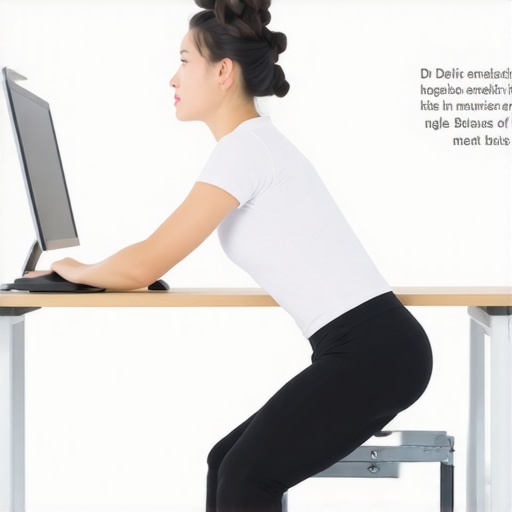 >While many believe that increasing general flexibility is the key to alleviating back pain and sciatica, the real nuance lies in understanding mobility’s specific requirements and limitations. A common myth is that stretching everything equally will yield optimal results. However, individuals often overlook that each joint and muscle group has unique needs—what enhances mobility for one area might adversely affect another. For instance, overemphasizing hamstring stretches without addressing hip mobility can inadvertently tighten surrounding muscles, perpetuating pain patterns. Advances in neuro-muscular science suggest that targeted, functional mobility exercises—like those found in simple back mobility drills—are far more effective than generic stretching routines. Moreover, many individuals mistake pain as a sign to push harder; in reality, aggressive stretching can irritate inflamed tissues and deepen discomfort. Recognizing the distinction between safe mobilization and overstretching is crucial, especially when dealing with nerve-related issues like sciatica, where nerve health depends on precise movement quality rather than mere flexibility. Consider that tightness around the pelvis and hips can mask underlying stability deficits; implementing stabilization exercises alongside mobility work can prevent reinjury. According to renowned expert Dr. Stuart McGill, understanding the fine balance between mobility and stability is essential—overmobility can weaken supporting structures, increasing injury risk. Therefore, mastering nuanced mobility requires a personalized approach, emphasizing gradual progress and functional movement patterns rather than broad, aggressive stretching. Don’t fall for the trap of chasing flexibility blindly; instead, focus on controlled, intentioned exercises that re-establish harmonious joint function. To deepen your understanding, check out this article on posture and back pain to see how mobility complements overall spinal health. Remember, awareness of these subtleties can prevent setbacks and accelerate your journey toward pain-free living. Have you ever fallen into this trap? Let me know in the comments.Maintaining your spinal health and mobility over time requires more than just occasional stretches or ergonomic setups; it demands reliable tools and consistent routines. One of my go-to devices is a high-quality foam roller. I prefer a dense, firm roller because it provides the necessary pressure to release myofascial trigger points without aggravating sensitive tissues. Regular rolling, especially on areas like the lower back and hips, helps prevent the buildup of tension that often leads to pain or nerve compression. To maximize benefits, I incorporate specific techniques such as the [Piriformis stretch with foam roller](https://bodyrenewtherapy.com/the-deep-glute-stretch-that-actually-works-for-piriformis-syndrome), which targets common sources of sciatica.
Throughout my journey of overcoming chronic back pain and Sciatica, I’ve uncovered lessons far more profound than quick fixes or generic stretches. One revelation was that true mobility improvement demands a nuanced understanding of your body’s unique needs, rather than blindly following popular routines. Embracing precise, targeted exercises—like those detailed in these simple back mobility drills—has transformed my approach, teaching me patience and respect for my body’s signals. Additionally, I learned that addressing muscle imbalances isn’t just about flexibility but about reestablishing stability; sometimes, less is more when it comes to stretching, especially without considering each joint’s specific limits. Combining mobility work with strengthening exercises, as suggested by Dr. Stuart McGill, illuminated the importance of balance over extremity, an insight I wish I had discovered sooner. Finally, the power of mindful posture adjustments—like ergonomic tweaks and regular micro-movements—proved invaluable, reinforcing that small, consistent changes outperform sporadic intense efforts. These lessons are a testament: intentionality and personalized strategies are the keys to reclaiming movement and combating pain, offering lasting relief beyond temporary symptom suppression.