
The Truth About Inversion Tables for Chronic Lower Back Relief
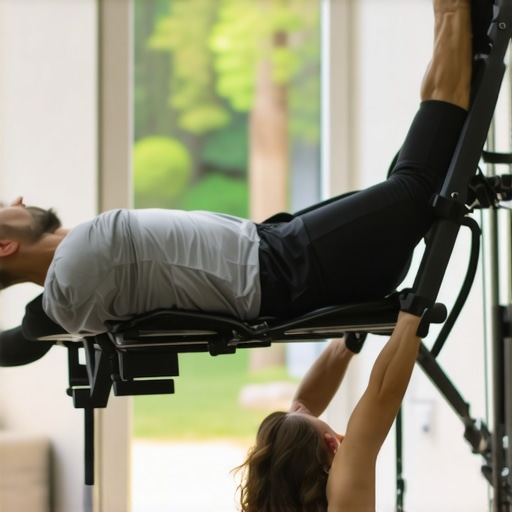
It was a typical morning when I suddenly felt that crippling sensation in my lower back, the kind that makes you freeze mid-action and question everything. For years, I had endured nagging discomforts, often dismissing them as part of aging or stress. But that day, something clicked—I realized I was missing a crucial piece of the puzzle in managing my chronic back pain. It wasn’t just about quick fixes or temporary relief; I needed a sustainable solution. That’s when I stumbled upon the truth about inversion tables and their role in relieving chronic lower back pain.
Why Resting Upside Down Might Be Your Back’s Best Friend
For a long time, I was skeptical about inversion therapy. The idea of hanging upside down sounded more like a gimmick than a viable treatment. However, after doing my homework and trying it myself, I discovered that inversion tables could help decompress compressed discs and alleviate nerve pressure, offering genuine relief for those suffering from chronic lower back issues. According to recent research, inversion therapy can improve spinal alignment and reduce back pain symptoms, especially when combined with other lifestyle adjustments. But here’s the thing—it’s not a magic bullet, and naive use can even make things worse.
Is Inversion Therapy Worth the Hype?
Early in my journey, I made the mistake of overusing an inversion table without proper guidance, which worsened my discomfort. This taught me that while inversion tables have potential benefits, they require a cautious approach and a good understanding of your body’s limits. In this post, I want to share what I learned along the way and how you can use inversion therapy safely as part of a comprehensive strategy for lower back relief. We’ll explore practical tips, common pitfalls to avoid, and supplemental exercises to enhance your recovery.
If you’ve ever faced persistent back pain that hasn’t responded well to traditional treatments, you’re not alone. Many people overlook the potential of inversion therapy or dismiss it outright out of fear or misinformation. I get it—trying something new can be daunting, especially if you’re already in pain. But with proper knowledge and care, inversion tables can be a valuable tool to help you regain mobility and comfort. Ready to uncover the truth and see if this method could work for you? Let’s dig in and find out how to incorporate inversion therapy safely into your recovery plan.
Prepare Your Space and Equipment
Start by selecting a quiet, clutter-free area with enough ceiling clearance to hang upside down comfortably. Secure your inversion table on a flat surface, tighten all bolts, and familiarize yourself with the safety features. I once set mine up in my garage, ignoring the uneven floor, which led to wobbling during inversion—a reminder to prioritize stability whenever you set up new equipment.
Understand Your Body Limits and Symptoms
Assess your pain levels and any underlying conditions before starting. If you experience severe sciatica, numbness, or weakness, consult a healthcare professional before use. For example, I ignored mild numbness initially and increased inversion time too quickly, which caused discomfort. Listening to your body’s signals is crucial for safe practice.
Gradually Introduce Inversion Angles
Begin with a gentle tilt—about 30 degrees—to get used to the sensation. Use the inversion table’s locking mechanism to set your desired angle. I recommend starting short, around 1-2 minutes, and gradually increasing as your tolerance builds. Remember, much like stretching a stiff muscle, patience ensures better adaptation.
Use Breathing and Control
Focus on deep, steady breaths while inverted to help relax your muscles. If you feel dizzy or lightheaded, gently return to an upright position. I once panicked mid-inversion, but controlling my breath helped me stay calm and safe.
Incorporate Core Exercises and Movements
Once comfortable, add controlled movements like pelvic tilts or gentle twists during inversion to enhance spinal decompression. These micro-movements mimic functional motions, helping realign your vertebrae and discs. For instance, I tried gentle pelvic rocks and noticed quicker relief from discomfort afterward. For a comprehensive approach, consider combining inversion therapy with mobility exercises here.
Maintain Consistency and Respect Rest Days
Use the inversion table 3-4 times a week, gradually increasing duration up to 5-10 minutes based on your comfort. Always respect your body’s feedback—overuse can lead to soreness or increased pain. I learned this the hard way after a week of daily inversion, which caused muscle fatigue and an urge to rest. Balance is key for sustainable relief.
Combine with Additional Back-Friendly Habits
Support inversion therapy by optimizing your posture habits, strengthening core muscles, and ensuring proper ergonomic setups during daily activities. Enhancing your overall mobility and strength creates a foundation for long-term back health. Check out these tips to reinforce your progress.
Many people believe they understand their neck and back pain, but often, common misconceptions lead us astray. One prevalent myth is that stretching alone can resolve deep-seated issues. While flexibility is important, over-reliance on stretching without addressing underlying alignment or movement patterns can worsen the problem. For instance, aggressively stretching tight muscles like the hamstrings or glutes without considering pelvic positioning may inadvertently increase tension in the lower back, as explained in recent biomechanical studies. Instead, integrating mobility exercises that focus on joint health and posture, such as those discussed here, offers more comprehensive relief.
Another misleading belief is that pain originates solely from the site of discomfort. In reality, neck and back issues often stem from issues elsewhere, like poor posture, weak core strength, or dysfunctional movement patterns. Regularly ignoring these factors perpetuates pain cycles. For example, faulty sitting habits can cause compensatory movements that strain the cervical spine, leading to persistent headaches or neck stiffness. External experts recommend analyzing your entire kinetic chain for persistent pain, rather than isolating the area that hurts most.
A common mistake that traps many is assuming that pain will resolve quickly with quick fixes. Relying on temporary relief methods, such as heat packs or over-the-counter medications, may mask symptoms but won’t correct root causes. Persistent unresolved misalignments or muscular imbalances require a strategic approach, including targeted therapies and lifestyle modifications. Explore lifestyle changes that actually make a difference long-term.
Now, for my more experienced readers: Have you ever fallen into the trap of misdiagnosing your pain based solely on symptoms? It’s essential to look beyond surface-level cues and consider issues like thoracic mobility restrictions or subtle pelvic tilts that can ripple up or down your spine. In fact, recent research published in the Journal of Back and Musculoskeletal Rehabilitation highlights how addressing thoracic spine stiffening significantly improves neck and lower back symptoms, emphasizing the importance of holistic assessments. Curious how to identify hidden contributors to your discomfort? Here’s a guide to uncovering those elusive issues.
Being aware of these nuanced pitfalls can transform your approach to healing. Remember, pain is often a symptom of deeper dysfunctions—not just tight muscles or inflamed joints. The key is adopting a comprehensive view that includes posture, movement patterns, and lifestyle habits for lasting relief. Have you ever fallen into this trap? Let me know in the comments.Maintaining relief from chronic neck, back, and sciatica pain requires more than temporary solutions—it calls for a strategic toolkit tailored to your needs. Over the years, I’ve refined my approach using specific tools and methods that have made a real difference in my mobility and pain levels. One indispensable item I rely on is a high-quality inversion table; personally, I use the Teeter EP-560, appreciating its sturdy build and adjustable inversion angles, which help me decompress my spine safely and effectively. This device has been instrumental in preventing the recurrence of my back discomfort, especially when incorporated into a consistent routine.
In addition, I swear by foam rollers like the TriggerPoint GRID X. Unlike generic foam rollers, this one offers variable density zones that target specific muscle groups, helping to release tension in my piriformis and hamstrings that often irritate my sciatic nerve. Regular myofascial release using such tools not only alleviates pain but also enhances my mobility over time.
Moreover, I leverage digital tools like the Pocket Physio app, which provides personalized stretching routines and mobility drills suited for my condition. This app’s guided exercises remind me to stay consistent and ensure I’m performing movements correctly, preventing injury and promoting long-term stability.
Prediction suggests that emerging technologies like wearable posture trackers and AI-driven diagnostic apps will soon revolutionize how we maintain spinal health. These innovations promise real-time feedback and tailored recommendations, making injury prevention more accessible.
How do I keep my back maintained over the long haul? Prioritize routine, consistency, and use the right equipment. Regularly scheduled sessions with your inversion table, combined with targeted myofascial release using foam rollers, create a sustainable cycle of relief and strengthening. Additionally, integrating ergonomic assessments with tools like the [https://bodyrenewtherapy.com/enhance-your-back-mobility-ergonomic-tips-for-everyday-comfort](https://bodyrenewtherapy.com/enhance-your-back-mobility-ergonomic-tips-for-everyday-comfort) can prevent pain from creeping back.
If you’re serious about long-term results, I recommend trying advanced mobility techniques such as the Dead Bug exercise, which I incorporate weekly. This core stabilization movement is backed by research published in the Journal of Back and Musculoskeletal Rehabilitation, highlighting its effectiveness in reducing lumbo-pelvic instability—a common root of chronic back issues. Using tools like these, along with consistent lifestyle adjustments, sets the foundation for lasting relief. Start by choosing one of these tools and commit to integrating it into your routine—your future self will thank you.
The Hidden Truth About Reversing Pain: My Biggest Wake-Up Call
One of the most eye-opening lessons I learned is that recovery isn’t a straight path. Early on, I believed that simply hanging upside down would rapidly resolve my back issues. It took experiencing discomfort from overuse to realize that patience and listening to my body are key. There’s no magic fix; sustainable relief requires understanding your limits and gradually building resilience.
My Top Tools for Lasting Back Relief
Over time, I’ve curated a set of trusted tools that truly make a difference. The high-quality inversion table I use, such as the Teeter EP-560, offers safe, adjustable decompression. Foam rollers like the TriggerPoint GRID X help me release fascia tightness that aggravates sciatic pain. For mobility guidance, the Pocket Physio app provides personalized routines that keep me on track. These resources have empowered me to maintain my progress and avoid setbacks.
Your Path Starts Here: Embrace a Better Future
If you’re tired of temporary fixes and ready for genuine change, remember that small, consistent steps lead to profound shifts. Incorporate safe inversion practices, prioritize mobility exercises, and listen to your body’s signals. Your journey toward a pain-free life is within reach—taking action today can transform how you experience tomorrow. What small change will you commit to this week to improve your back health? Share below and let’s support each other on this path.