
The hidden link between your jaw tension and neck pain
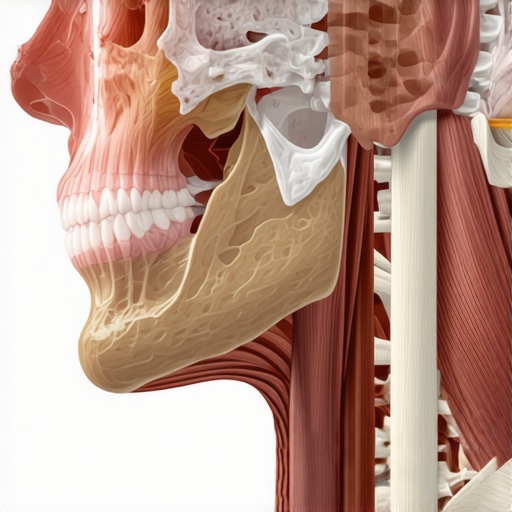
It was a morning like any other, until I reached for my coffee mug and experienced a sharp, shooting pain in my neck that left me stunned. I couldn’t turn my head without wincing, and suddenly, everything felt more uncomfortable than it should. That moment was my lightbulb moment—realizing that my jaw tension might be secretly wreaking havoc on my neck. If you’ve ever felt similar pain or stiffness, you’re not alone. Many people overlook one surprisingly common culprit behind persistent neck discomfort: jaw tension.
How My Jaw Became the Unexpected Link to Neck Pain
I used to think my neck pain was just a symptom of poor posture or aging. But after months of trial and error, I discovered a startling connection: tight jaw muscles can translate tension upward into the neck and shoulders. This isn’t just my personal hunch—research shows that the muscles involved in jaw movement are closely connected to those supporting our neck and head. When I started paying attention to my jaw, I noticed feelings of clenching during stressful moments or even while sleeping. And guess what? My neck pain often worsened in tandem.
Making this discovery was a game-changer. It made me rethink my approach to pain management and opened my eyes to the complexity of body interconnectedness. If you’re tired of battling neck stiffness that won’t go away, it might be time to look beyond the usual suspects and consider your jaw health as part of the puzzle.
But why does jaw tension matter so much? Well, the muscles responsible for jaw movements—like the temporalis and masseter—are located in close proximity to muscles that support your neck, such as the sternocleidomastoid and upper trapezius. When these jaw muscles become chronically tight or clenched, they can create a domino effect, pulling on the neck muscles and leading to the discomfort many experience daily.
Understanding this silent connection helped me address the root of my pain instead of just masking symptoms. I began incorporating simple jaw relaxation techniques, which profoundly lowered my neck tension over time. And if you’re wondering whether this might apply to you, I encourage you to explore it—because overlooking this link could mean missing a straightforward solution to persistent neck pain.
Curious if your jaw tension could be sabotaging your neck health? You’re not alone in this—and many find relief once they acknowledge and tackle this overlooked issue. Ready to discover how to break free from this hidden pain cycle? Let’s dive into practical steps you can take to reclaim your comfort and mobility.
Start with Gentle Jaw Mobilization
Imagine your jaw as a hinge that needs lubrication; stiffness can ripple into your neck. To begin, gently open and close your jaw within a comfortable range for 10 repetitions, like a slow, deliberate yawn. I tried this during a stressful afternoon—initially messy, as I almost involuntarily clenched my teeth again, but persistence helped loosen tight muscles. This simple move eases tension and sets the tone for deeper relief.
Incorporate Breathing Exercises
Deep breathing acts like a reset button for your entire nervous system. Practice diaphragmatic breaths—inhale for four seconds, fill your belly, then exhale slowly for six seconds. During one hectic morning, I paused my work to focus solely on my breath. Noticing my jaw relaxed, I felt immediate reduction in neck tightness. Consistent breathing enhances relaxation, reducing subconscious clenching episodes that aggravate neck pain.
Use Self-Massage Techniques
Think of your muscles as cords that need unwinding. Apply gentle pressure with your fingertips to the temporalis and masseter muscles, using circular motions for about 30 seconds each. I recall struggling at first—applying too much pressure caused discomfort—but gradually, I found the right amount to release built-up stress. Regular self-massage breaks can keep your jaw and neck muscles relaxed throughout the day.
Adopt Correct Posture Habits
Maintaining awareness of your posture is like guiding a ship through choppy waters—small adjustments make a big difference. When sitting at your desk, ensure your ears align over your shoulders and your chin is slightly tucked. I caught myself slouching during work; correcting my head position instantly eased my neck tension. Good posture prevents ongoing strain caused by habitual misalignment influenced by jaw tension.
Integrate Relaxation Practices into Daily Routine
Incorporate techniques like progressive muscle relaxation—tense then relax each muscle group—to teach your body how to let go of tension intentionally. I dedicated five minutes each evening to this practice, noticing decreased jaw clenching and less neck discomfort over time. Consistency is key; keeping these habits active helps prevent pain cycles from taking hold.
When to Seek Professional Help
If these steps don’t provide relief or your pain persists, consider consulting an expert—like a physiotherapist or chiropractor—who can assess and address underlying issues. For instance, I visited a specialist when my discomfort worsened despite self-care efforts; their targeted therapy made a significant difference. Visiting a provider ensures you’re not missing deeper problems, and you can explore options like spinal adjustments or specialized therapy.
Remember, addressing jaw tension is a powerful step toward reducing neck pain. Adopting these actionable techniques creates a foundation for lasting relief, especially when integrated consistently into your daily life.
When it comes to chronic neck and back pain, most fitness routines and medical advice focus on strengthening muscles, improving flexibility, or correcting posture. However, a common misconception persists: the idea that pain always signals a structural problem or muscular weakness. In reality, many persistent pains are rooted in nuanced, often overlooked factors that go beyond surface-level causes.
One prevalent myth is that pain should always be localized directly at the site of discomfort. This oversimplification can derail effective treatment. For example, someone with sciatic nerve issues might focus solely on the lower back, neglecting factors like pelvic alignment or hip mobility that directly affect nerve impingement. An advanced approach suggests that addressing the broader kinetic chain—such as hip mobility, pelvis stabilization, and even foot alignment—can dramatically improve outcomes. To explore this perspective, review some proven strategies for sciatic relief at https://bodyrenewtherapy.com/unlocking-sciatica-relief-expert-strategies-for-lasting-comfort.
Another trap to avoid is the tendency to improve posture through static correction only. While good posture is essential, rigidity can lead to tension buildup over time, especially if your body doesn’t move naturally throughout the day. Dynamic movement, coupled with mobility exercises, promotes sustained health and resilience. For instance, incorporating simple mobility drills like the 90-90 hip drill can unlock tight hips that contribute to lower back pain, as detailed here: https://bodyrenewtherapy.com/the-90-90-hip-drill-for-instantly-better-lower-back-mobility.
A critical nuance many miss involves the role of neurological factors—how the nervous system interprets pain signals. Sometimes, chronic pain persists even when structural issues are resolved because the nerve pathways or brain representations have become sensitized. This phenomenon, known as central sensitization, means that pain might not always correlate with tissue damage. Recognizing this can prevent unnecessary treatments and encourage interventions like graded exposure or relaxation techniques, which are supported by research from neurological experts.
Be cautious of quick fixes like static stretching or foam rolling alone. Evidence shows that aggressive stretching without considering tissue health can sometimes increase pain or lead to further injury, particularly if underlying issues like joint instability or nerve impingement are ignored. Instead, comprehensive approaches—including heat therapy, self-massage, and targeted strengthening—offer more sustainable relief.
In addition, always be wary of ignoring subtle warning signs that could indicate more serious conditions. Symptoms like unexplained weight loss, night pain, or neurological deficits should prompt immediate medical evaluation. On this note, tour https://bodyrenewtherapy.com/is-your-back-pain-a-sign-of-something-more-serious-key-symptoms-to-watch for insights on when to see a healthcare professional.
By digging into these nuances and avoiding common pitfalls, you’re more likely to address the root causes of your pain and regain mobility faster. After all, pain is often an intricate symphony—focusing solely on the surface can silence the wrong instruments. Have you ever fallen into this trap? Let me know in the comments. Remember, a comprehensive, nuanced approach is the key to lasting relief.Maintaining your spinal health requires the right tools and habits to ensure you stay pain-free and mobile over time. Personally, I rely on a combination of ergonomic devices and targeted exercises that keep my posture and mobility in check. One essential tool I swear by is the use of a **lumbar roll**—a small, contoured cushion that I place in my chair to support my lower back. This simple adjustment has significantly reduced my lower back strain during long workdays. Additionally, I incorporate a **posture corrector brace** when I feel my shoulders rounding forward, especially after prolonged sessions on the computer. These braces act as reminders to maintain proper alignment, preventing chronic tension buildup.
For mobility, I use a **facilitated stretching routine** that includes foam rolling my upper back and hips. I prefer a **firm foam roller** because it provides enough pressure to release muscle knots without causing discomfort. My favorite routine involves rolling the thoracic spine—most of us neglect this area, leading to stiffness that can cascade into neck and lower back pain. According to recent research, targeted myofascial release can improve mobility and reduce pain in individuals with chronic back issues.
When it comes to longstanding results, consistency in using these tools is vital. I schedule daily 10-minute mobility sessions, focusing on areas prone to stiffness. Over time, my flexibility and pain levels have improved noticeably, and I attribute this progress to the disciplined use of these simple but effective devices.
Looking ahead, I believe this trend will evolve towards **smart ergonomic accessories** equipped with sensors that monitor posture and provide real-time feedback. Imagine a smart chair that gently vibrates when you slouch, or a wearable device that guides you through corrective movements throughout the day.
How do I maintain mobility and prevent setbacks over time?
To keep your back and neck functioning well long-term, continuous attention to ergonomics combined with proactive movement is key. Investing in ergonomic furniture, such as an adjustable standing desk, can help diversify your posture and reduce strain. Regularly practicing simple mobility drills—like the **90-90 hip rotation**—can dramatically improve your range of motion and minimize pain episodes. For comprehensive guidance, explore techniques outlined in Understanding the Link Between Poor Posture and Chronic Back Pain.
Don’t underestimate the power of self-assessment tools—like smartphone apps that analyze your posture quality and give tips for correction. Combining these digital aids with physical tools will give you an edge in maintaining long-term health.
As a next step, I challenge you to incorporate a **daily mobility routine using a foam roller**—specifically targeting your thoracic spine—to unlock stiff areas that contribute to neck and back pain. Persistent stiffness often originates from unaddressed fascial restrictions, and a simple, consistent practice can set the foundation for lasting relief. Want detailed guidance? Reach out via our contact page to get personalized tips tailored to your needs.
What I Would Never Have Believed About Neck Recovery
One profound realization I came to was that addressing jaw tension isn’t just about alleviating mouth-related discomfort; it can be a game-changer for persistent neck pain. I learned that ignoring the subtle signs of jaw clenching might be delaying my full recovery. This insight taught me to pay closer attention to my body’s interconnected signals, reminding me that sometimes the solution lies in overlooked areas.
Another lesson was the importance of patience and consistency. Incorporating simple jaw relaxation and posture habits didn’t yield overnight results, but over time they had a cumulative effect. It reaffirmed that sustainable pain relief is often about small, deliberate changes rather than quick fixes.
Lastly, I discovered that body awareness is a powerful tool. Recognizing tension patterns — like clenching during stress — empowered me to intervene early and prevent escalation into chronic discomfort. This taught me that tuning into our body’s subtle cues can be the most effective strategy for long-term health.
Resources That Elevated My Journey to Relief
One resource I trust deeply is Revitalize Your Neck. It offers practical techniques tailored for lasting relief, rooted in evidence-based practices. Additionally, Understanding the Link Between Posture and Chronic Back Pain helped me see the bigger picture, emphasizing how holistic treatment leads to better outcomes. For real-world application, I found Conquering Sciatica invaluable because it demystifies complex issues into manageable steps, making the journey less overwhelming.
Empower Yourself – Your Healing Starts Today
Remember, your path to neck and back health is unique, and small, consistent actions can lead to profound change. By incorporating awareness and gentle self-care routines, you’re taking control of your well-being. Don’t wait for pain to become unmanageable—start integrating these techniques now and watch your mobility improve. Your future self will thank you for the effort you invest today.