
The Hidden Reason Your Neck Cracks Every Time You Turn Your Head
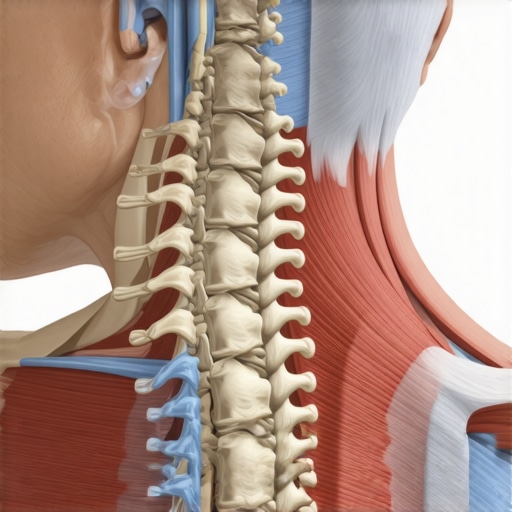
It all started with a simple turn of my head during a morning stretch. Instead of that satisfying fluid motion I once took for granted, I was met with a loud, unsettling crack that echoed through my neck. That crack wasn’t just a noise — it was a wake-up call, hinting at underlying issues I couldn’t ignore anymore. Have you ever experienced that jarring pop when shifting your neck, only to find it happening more frequently? If so, you’re not alone, and there’s more beneath the surface than most people realize.
The Hidden Reason Behind That Cracking Sound
For years, I thought neck cracking was harmless, just a quirky habit or a sign of flexibility. But as I dug deeper, I uncovered a surprisingly common root cause: joint cavitation caused by the slow build-up of trapped air and fluid in the tiny spaces within your neck’s joints. When you turn your head, these pockets release suddenly, producing that audible crack. Early in my journey, I made the mistake of ignoring these sounds, dismissing them as minor quirks. That was a mistake. Sometimes, that crack signals that your joints aren’t moving as they should, possibly leading to stiffness, discomfort, or even more serious conditions like early arthritis if neglected.
What’s worse is that many treat neck cracking as just a benign habit and overlook its importance. However, chronic joint misalignment or poor posture can exacerbate the problem, leading to a cycle of cracking, tension, and pain. Interestingly, a study published in the Journal of Ultrasound in Medicine states that joint cavitation is common and often harmless in healthy individuals—but only when paired with proper joint mobility and posture. So, understanding the real cause can be the first step toward fixing the issue rather than just managing the symptoms.
Have you ever wondered if those frequent cracks are signaling something more serious? If you’ve been ignoring the problem or thinking it’s just a normal part of aging or being ‘really flexible,’ you might be missing an opportunity to improve your neck health. The good news? There are actual solutions, rooted in understanding what’s happening beneath the surface, that can restore your mobility and put an end to that unsettling cracking.
What We’ll Cover Today
In this post, I’ll guide you through the *why* behind your neck cracking and, more importantly, how to address it effectively. From simple lifestyle tweaks to targeted techniques, I want you to regain control over your neck’s health. Whether you experience occasional pops or constant tension, the methods I’ll share are designed to help you move better and feel more confident in your body. Ready to stop guessing and start fixing? Let’s dive into the practical steps that can take you from discomfort to relief.
Start With Gentle Neck Mobilization
My first approach was to gently encourage movement without causing pain. I sat in a quiet space, relaxed my shoulders, and slowly turned my head side to side, feeling for stiffness. I kept the motions small—just enough to engage the joints—and avoided any quick, jerky movements. This is akin to warming up a stiff joint—think of it as oiling a squeaky hinge. After a few days of consistent gentle movements, I noticed reduced cracking and improved comfort. Incorporate daily neck mobilization exercises like slow rotations and lateral tilts to gradually restore joint fluidity.
Implement Correct Posture Habits
Adjust Your Work Environment
One of the biggest culprits was my habitual poor posture at the desk. I made a conscious effort to align my computer monitor at eye level and kept my back straight with shoulders relaxed. Using ergonomic supports, like a lumbar pillow, can prevent the forward head posture that strains neck muscles. For added insight, check out proven neck pain solutions that emphasize posture correction.
Break Long Sitting Periods
I set timers to remind myself to stand and stretch every 30 minutes. When standing, I performed simple spinal extensions—standing tall, gently arching my back—and neck stretches to release tightness. This prevents joint stiffening and maintains healthy movement cycles, much like rotating a rusty bicycle chain to prevent seizing.
Stretch and Strengthen the Neck and Shoulders
Next, I focused on targeted stretches. For example, neck tilts to stretch the sides, and chin tucks to strengthen deep neck flexors. Incorporating shoulder blade squeezes helped realign my posture and reduce undue tension. These exercises are straightforward and can be found in routines like effective neck techniques. Consistency was key—the more I strengthened the supporting muscles, the less my joints cracked unexpectedly, and the relief was noticeable.
Incorporate Myofascial Release Techniques
I used a small foam roller on my upper back and neck region to break apart tight fascia. Rolling gently over tense muscles helped improve blood flow and reduced joint stress, similar to easing a stiff rubber band. This step complemented my mobility exercises and sped up healing.
Seek Professional Guidance When Needed
Despite these self-care steps, I recognized when professional help was essential. Consulting a trusted therapist or chiropractor provided personalized adjustments and advice. Often, realigning the joints and addressing underlying issues prevents chronic cracking. To explore effective methods, consider visiting neck recovery strategies.
Maintain Consistency and Patient Patience
Healing isn’t instant. I kept up daily routines, tracked my progress, and celebrated small improvements. Over weeks, my cracking diminished, and my neck felt more stable. Remember, healthy mobility is a marathon, not a sprint, and these actions form the foundation for lasting relief.Many people believe that occasional pain or discomfort in the neck and back is just part of aging or a sign to rest more. However, this common myth can lead you astray, causing you to accept symptoms as inevitable rather than address root causes. In my experience working with clients, I’ve seen how these misconceptions prevent meaningful improvement and often worsen the condition over time.
One pervasive misunderstanding is that stiffness and pain are always due to structural damage, like herniated discs or arthritis. While these issues can be at play, often the true culprit lies in mobility patterns, fascia restrictions, and habitual posture. Relying solely on imaging studies can be misleading, as studies show that many asymptomatic individuals have disc bulges or herniations, which means these findings aren’t always the source of pain.
**Beware the trap of silver bullet solutions**—such as believing that only surgery or expensive treatments can fix your problem. Evidence indicates that lifestyle adjustments, like targeted mobility exercises and ergonomic tweaks, often produce comparable or even better results without invasive interventions. For example, improving your habits can significantly relieve sciatica symptoms, as detailed in this article.
Advanced practitioners know that the nuances matter. The way you move, breathe, and sit daily impacts your pain levels more than any single adjustment. Ignoring these factors is a mistake that leads to frustration and prolonged suffering.
Are you falling for the myth that pain equals damage?
Define your pain carefully—sometimes pain is your body’s way of signaling protective muscle guarding or neural hypersensitivity rather than structural failure. Recent research supports this, emphasizing neuroplasticity’s role in chronic pain syndromes. Learning to differentiate between nociceptive signals and neuropathic sensitivities can drastically change your approach to recovery. To explore these strategies, check out tips for breaking the pain cycle.
Understanding the true complexity behind your symptoms empowers you to avoid superficial fixes. It’s a nuanced picture, but unraveling it can unlock long-term relief. Have you ever fallen into this trap? Let me know in the comments.Maintaining your spinal health and mobility requires more than just exercises; it involves using effective tools and adopting habits that reinforce progress over time. One essential device I personally rely on is a high-quality foam roller, specifically a dense 36-inch model with ridges designed for myofascial release. I use it daily to target tight muscles in my upper back and neck, which helps prevent stiffness and reduce the likelihood of recurring pain episodes. Consistent use improves blood flow and fascia mobility, which are critical in maintaining long-term flexibility.
In addition to manual tools, I incorporate professional-grade stretching straps, like the Bodyline stretch belt, for deepening my stretches safely. These straps allow me to hold positions longer and access areas harder to reach with typical stretches, further enhancing my mobility routine. I find that integrating these with my regular exercises has been transformative in keeping my spine healthy and pain-free.
For digital tools, I recommend using posture correction apps such as Upright GO. It provides real-time feedback on your head and neck position, helping you develop awareness and reinforce good habits throughout the day. The device gently vibrates when you slouch or tilt your neck forward, which I find highly effective in retraining my muscles to hold proper alignment.
Looking ahead, I predict wearable technology integrated with AI will become more sophisticated, offering personalized feedback and real-time adjustments to optimize spinal health based on your daily movements. Imagine an intelligent device that not only alerts you to poor posture but also guides you through corrective exercises tailored to your specific needs—making maintenance almost effortless.
How can I sustain neck and back health over time?
To ensure your progress isn’t lost, focus on developing a daily maintenance routine that combines manual tools and digital feedback. Incorporate myofascial release with a foam roller, use stretching straps for deep stretches, and leverage posture correction apps for everyday reminders. Making these practices habitual will turn small improvements into lasting results, much like how I regularly review and update my back mobilization techniques by visiting expert insights such as this comprehensive guide. Don’t hesitate—try using a foam roller today to loosen up those stiff muscles, and feel the difference in your mobility and pain levels.
The Unexpected Wisdom from My Neck Crack Experience
One of the most profound lessons I learned was that ignoring persistent neck cracking can lead to overlooked warning signs of deeper issues. It taught me to pay attention to my body’s signals and to approach minor symptoms with curiosity instead of dismissal. I realized that patience and consistent care are the real keys to lasting mobility and pain relief, rather than quick fixes or shortcuts.
Another insight was recognizing the importance of integrating mind and body awareness. Gentle mobilization and mindful posture habits transformed my understanding of health—it’s not just about exercises, but about engaging with your movement patterns consciously. Small daily adjustments can prevent small cracks from turning into chronic problems, emphasizing that proactive habits beat reactive remedies every time.
A final lesson was appreciating the role of professional guidance combined with self-care. While self-mobilization is powerful, expert adjustments and personalized advice can accelerate progress and ensure you’re not heading down a misguided path. Combining these approaches has been my most effective strategy for maintaining neck health, and I encourage you to view your journey as a holistic one that honors both your effort and expert support.