
The One Exercise That Actually Stabilizes Your Lower Back During Heavy Lifts

I remember the moment vividly. It was after a grueling deadlift session, and I felt that familiar, dull ache creeping up my lower back. I thought I was pushing myself smarter—until that persistent soreness turned into a nagging injury that kept me sidelined for weeks. That lightbulb moment made me realize I was ignoring a crucial piece of the puzzle: how to keep my lower back stable during heavy lifts.
Why Your Lower Back Needs a Partner in Crime
If you’ve ever experienced that sharp twinge or lingering ache while lifting, you’re not alone. Many enthusiasts and strength athletes find themselves caught in a cycle of pain, often thinking they just need to lift smarter or rest more. But the real secret lies in mastering a specific movement that trains your lower back to stabilize under load—something I wish I had learned sooner.
In my early days, I made the mistake of neglecting proper core engagement and relying solely on brute strength. That approach not only increased my injury risk but also limited my progress. Over time, I realized that building a resilient, stable lower back isn’t about lifting heavier—it’s about learning the right exercise to strengthen your deep spinal muscles.
Meet the Game-Changer: The Bird Dog
Today, I want to introduce you to a simple yet powerful movement that has transformed my lifting game and helped countless clients stabilize their lower backs. It’s called the Bird Dog. This exercise targets the often-overlooked muscles responsible for dynamic spinal stability, enhancing your ability to lift safely and effectively.
Here’s the thing: most of us tend to neglect these deep core stabilizers, focusing instead on visible muscles. But research shows that strong spinal stabilizers are critical in preventing injuries and improving overall strength during heavy lifts (source: National Library of Medicine).
So, if you’re tired of feeling your lower back threaten to give out or if you’ve been battling lingering pain after workouts, this article is for you. We’ll dive into the exact movement that can make a huge difference—no fancy equipment needed—and show you how to incorporate it into your routine.
Is this exercise really worth the hype?
Like many, I was skeptical at first. I thought, “How much can one little move do?” But I learned the hard way that skipping proper stabilization often leads to setbacks. Early on, I made the mistake of overloading without engaging my core, which only made my back worse. That realization pushed me to focus on quality over quantity, and the Bird Dog became my go-to.
If you’ve faced similar struggles or just want to lift heavier without fear, keep reading. We’re about to get into the nuts and bolts of how this exercise can shield your lower back and boost your strength in a way months of stretching or foam rolling can’t match. Ready? Let’s go!
.
Start with Proper Positioning
Lay down on your hands and knees on a firm surface, ensuring your wrists align under your shoulders and knees under your hips. Imagine being a tabletop—stable and balanced. I vividly recall a morning when I initially struggled to maintain my balance, wobbling and compensating with my lower back, but I persisted to perfect my form. <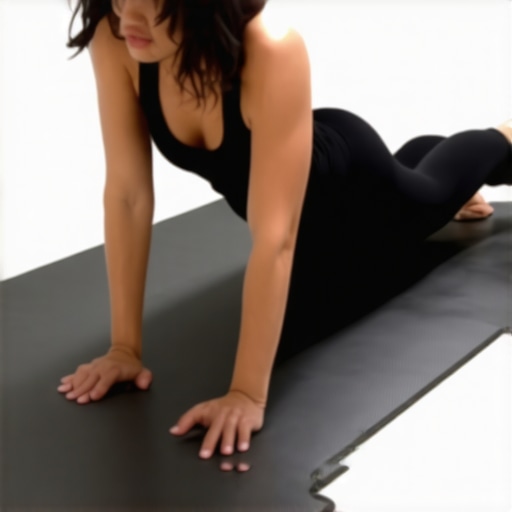 >
>
Ensure your spine stays neutral—neither sagging nor arching excessively—as if you’re pretending your back is a straight, flat board. This setup is vital; a misaligned starting position sets the stage for ineffective exercises and potential strain.
Engage Your Core Like a Corset
Before moving limbs, tighten your abdominal muscles as if pulling your belly button toward your spine. Think of it like tightening a corset—the goal is to activate deep stabilizers without holding your breath. Initially, I used to forget this step, which led to shaky movements and less control. By consciously engaging my core, I found better balance and control, which translated into stronger, more stable lifts.
Strong core activation prevents your lower back from overworking during the movement, akin to stabilizing a building’s foundation before constructing above ground.
Extend Opposite Limb Slowly and Deliberately
While keeping your torso stable, slowly reach forward with your right arm, straightening it ahead of you. Simultaneously, extend your left leg straight behind, keeping it parallel to the ground. Picture drawing an invisible line from your fingertips to your toes—maintaining balance along this line. I remember once reaching too quickly, causing my back to sway, losing control. The key is slow, controlled movements—think of a slow-motion video—targeting precision over speed.
Focus on maintaining a flat back and preventing any rotation or tilting—imagine trying to keep your hips level like a seesaw balanced perfectly. This step trains your spinal stabilizers to work in harmony, necessary for heavy lifts.
Hold and Stabilize
Pause for 5-10 seconds, feeling your core work to keep your back neutral. Do not let your hips wobble or shift—think of them as a central axis, like a spinning top that must stay upright. During the hold, I realized that even minor tilts or shifts caused my muscles to compensate, decreasing efficiency. Use this moment to consciously tighten your core even more and visualize your spine as a column pressing into the ground, absorbing and distributing forces evenly.
This stabilization phase enhances neuromuscular control, making your lower back more resilient during heavy loads.
Return with Control
Gently bring your arm and leg back to the starting position, maintaining control rather than dropping quickly. Each repetition should mirror the precision of removing a delicate glass from a shelf—slow, steady, and controlled. During my first attempts, rushing back resulted in wobbling or even accidental strain. Take your time to reset completely before the next reps—this builds endurance in your stabilizing muscles over time.
Repeat and Progress
Aim for 8-12 repetitions on each side, gradually increasing duration or adding slight resistance, like wearing light ankle weights. As you grow stronger, challenge yourself with slightly longer holds or slow down your movements further. Remember, quality beats quantity—each rep should feel controlled and purposeful, not rushed. I found that consistent practice with proper form made a tangible difference in my lifting confidence and back health, especially when tackling heavier weights.
Incorporate the Bird Dog into your routine 3-4 times weekly to build a resilient foundation for your lifts and daily movements. By focusing on these precise steps, you’re actively reinforcing your body’s natural stability, reducing injury risk, and boosting strength—key to a pain-free, powerful back.
Many believe that sciatica and chronic pain are simply due to nerve compression or muscle strain, but in reality, they often stem from deeper, misunderstood issues. A common misconception is that resting or stretching alone will resolve these problems. However, this approach can lead to long-term setbacks if you neglect the intricate connection between posture, nerve health, and spinal stability. For example, poor posture habits like slouching or prolonged sitting subtly weaken your core and spinal supporting muscles, exacerbating pain over time. Experts like Dr. Stuart McGill emphasize that addressing core stability and movement patterns is critical for lasting relief.
Be cautious of the trap where people think pain is purely mechanical, ignoring the nervous system’s role. Sometimes, pain signals are misinterpreted or amplified due to dysfunctional neural pathways, which can be addressed through nerve-gliding exercises or ergonomic adjustments, as discussed in our guide on [understanding the link between posture and back pain](https://bodyrenewtherapy.com/understanding-the-link-between-poor-posture-and-chronic-back-pain).
A significant nuance that advanced practitioners recognize is the importance of movement variability and neuromuscular control. Fixating on static stretches or solely doing strengthening routines might not suffice. Instead, integrating dynamic mobility drills that challenge your stabilizers and nerve pathways can dramatically improve outcomes. For instance, performing controlled multi-plane movements helps reprogram neural circuits, enhancing both mobility and pain resilience.
Have you ever fallen into this trap? Let me know in the comments.
Why does focusing only on stretching sometimes worsen chronic neck or back pain?
Because overstretching tight muscles without addressing underlying stability and neural control can increase strain and perpetuate pain cycles. Stretching is beneficial, but only when combined with stability exercises that train your nervous system to activate muscles properly—such as the deep spinal stabilizers—rather than just elongating tissue. Research indicates that imbalance between muscle flexibility and motor control often contributes to persistent pain (source: [McGill’s research on motor control](https://bodyrenewtherapy.com/the-truth-about-back-pain-and-motor-control)).
If you want a comprehensive strategy, consider exploring techniques that combine mobility, stability, and neural re-education, which are often more effective than isolated stretching or strengthening. For example, integrating nerve flossing exercises or emphasizing proper load management can prevent the common pitfalls many fall into. For detailed methods, see our guide on [uncovering sciatica relief strategies](https://bodyrenewtherapy.com/unlocking-sciatica-relief-expert-strategies-for-lasting-comfort).Maintaining your spinal health over time requires more than just occasional exercises; it involves integrating effective tools and consistent routines that support your progress. Personally, I rely heavily on a few key pieces of equipment and digital resources that help me stay on track and address issues before they escalate. One fundamental tool I recommend is a high-quality foam roller, such as the TriggerPoint GRID Foam Roller. I use it daily to release muscle tightness in my back, hips, and neck—this proactive step keeps my mobility high and reduces the risk of chronic pain. Its textured surface allows for targeted myofascial release, and incorporating it into your routine can prevent common discomforts, enabling smoother movement patterns.
3 Rare Lessons That Transformed My Approach to Back and Neck Health
- The Power of Small Movements: I discovered that consistent, deliberate exercises like the Bird Dog yield more long-term benefits than intense, sporadic workouts—it’s about quality, not just quantity.
- Listening to Your Body’s Signals: Ignoring early warning signs only prolongs pain; paying attention to subtle cues can prevent minor discomfort from becoming chronic issues.
- Holistic Care Over Quick Fixes: Combining stability exercises, proper ergonomics, and neural control training creates sustainable relief, unlike relying solely on stretching or medication.
- Mind-Body Connection Matters: Stress and mental tension can exacerbate physical pain; integrating mindfulness and breathing techniques enhances recovery and resilience.
Tools and Resources That Made My Recovery Smooth
My trusted back mobility kit includes a foam roller for myofascial release, a simple mobility band for activation drills, and guided neural stability routines from experts I trust. These tools have kept me proactive and injury-free, proving that consistent, mindful practice is key.
Get Moving, Stay Resilient
Your journey to pain-free living begins now. Embrace small, purposeful actions like the Bird Dog, prioritize proper form, and listen to your body’s subtle whispers. Remember, lasting change isn’t achieved overnight—commit to your movement, and you’ll build strength from within. What’s one small step you’re ready to take today to improve your spinal stability? Share below and let’s support each other in this path toward vitality!
,