
The Proper Way to Carry a Backpack to Save Your Child’s Spine
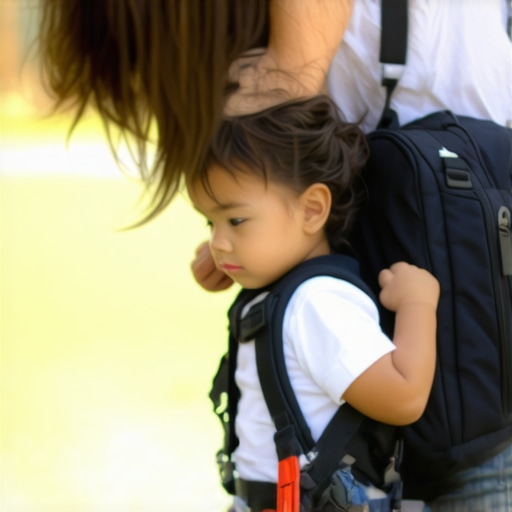
I remember the moment vividly—my child tugging at their backpack, a strained grimace on their face, and a sudden jolt of realization hit me. It was thin, almost imperceptible, but I could see it. That tiny miscalculation in how I carried their bag was subtly tugging on their fragile spine, risking long-term damage I hadn’t even fully considered. As parents, we often focus on the contents of the backpack—what’s inside, how heavy it is—but little do we realize that *how* we carry it can make all the difference in safeguarding their developing spine.
The importance of proper backpack carrying for your child’s spinal health
Children’s bodies are like soft clay—malleable and developing rapidly. The slightest misstep can lead to lasting issues, from chronic back pain to more serious conditions like scoliosis or sciatic nerve irritation. Yet, many parents overlook a simple, yet crucial detail: the way we load and carry our kids’ backpacks. If you’re like I was, you might think that a heavier bag simply needs a stronger kid or more diligent straps. But reality paints a different picture.
Research shows that improper backpack use can increase the risk of musculoskeletal problems in children. A study published in the Journal of Pediatric Orthopedics highlights that carrying backpacks improperly can lead to altered gait biomechanics and spinal misalignment (source: [Understanding the link between poor posture and chronic back pain](https://bodyrenewtherapy.com/understanding-the-link-between-poor-posture-and-chronic-back-pain)). For my own family, this was an eye-opener—not just about my kid’s posture, but about my role in preventing future pain.
In this post, I’ll share personal insights and proven strategies to help you carry your child’s backpack in a way that truly protects their spine. No more guesswork, no more risk—just straightforward, practical tips rooted in both science and firsthand experience. Together, we’ll explore how to prevent the subtle, yet damaging habits that can turn a normal schoolday into a long-term back health concern.
Have you ever noticed your child complaining of neck or back pain after school? If so, you’re not alone. Many parents are unaware that their well-intentioned efforts might be unintentionally contributing to these issues. Luckily, making small, intentional changes can yield significant benefits.
Now, let’s dive into the specifics. First, understanding the common mistakes we make can set the foundation for effective adjustments. And trust me, early mistakes—like neglecting the weight distribution—are exactly what I initially overlooked, leading to my own lightbulb moment. Ready to make a real difference? Let’s begin with the essentials of backpack ergonomics and how simple tweaks can protect your child’s future.
Adjust Load Placement to Prevent Strain
Start by ensuring the backpack’s weight is centered and close to the child’s back. Place heavier items at the bottom of the pack to distribute weight evenly, reducing undue pressure on the spine. Personal experience taught me that when I adjusted my child’s backpack to sit higher and snugly against their back, their posture improved noticeably, and complaints of backache decreased.
Use Both Straps Consistently
Encourage your child to always wear both shoulder straps instead of sling bags or one-strap backpacks. Wearing both straps evenly distributes weight, preventing asymmetrical load that can lead to misalignment. I once overlooked this and noticed my child leaning to one side after a day of uneven carrying; correcting this habit made an immediate difference.
Adjust Straps for a Snug Fit
Make sure the shoulder straps are tight enough to keep the backpack close to the back without cutting into the shoulders. A loose fit causes the pack to sway and forces compensatory postures. I realized this during a trip when tightening straps stabilized my kid’s gait and reduced their neck tension.
Limit Weight to 10-15% of Body Weight
Calculate your child’s weight and keep the backpack’s load within this safe range. Excess weight increases the risk of long-term back issues, much like overloading a car can lead to engine strain. I learned this the hard way when packing books for school—once I scaled back, my child’s discomfort vanished.
Teach Proper Lifting Techniques
Show your child how to lift backpacks correctly—bending at the hips and knees, not the waist—to avoid sudden pulls on the back muscles. Just as lifting heavy boxes with proper technique prevents injury, guiding children through safe lifting habits builds resilience. I demonstrated this when helping my child pack their bag, noting how aligned posture minimized strain.
Incorporate Spinal Mobility Exercises
Encourage daily activities that enhance spinal flexibility, such as gentle twists or back stretches. These exercises serve as preventive measures against stiffness and help maintain proper posture, akin to regular maintenance for a machine. I integrated simple routines after noticing my child’s neck stiffness, resulting in more comfortable carrying experiences.
Regularly Check Backpack Fit and Weight
Make it a habit to inspect your child’s backpack weekly, adjusting straps and removing unnecessary items. A static approach leads to complacency; continuous adjustment ensures optimal support. I set a routine where, after every week, I review and lighten my child’s pack, which noticeably improved their comfort and posture.
Optimize Your Child’s Posture During Usage
Teach them to stand tall with shoulders back when wearing their backpack, avoiding slouched positions that strain the spine. Demonstrating good posture at home creates habits that protect long-term health. During my son’s school months, I modeled proper posture, which became second nature for him, reducing neck and back pains.
Consider Ergonomic Backpack Designs
Invest in backpacks that feature padded straps, waist belts, and ergonomic shapes that contour to the back. These design elements significantly reduce pressure points. I found that switching to an ergonomic model alleviated my child’s shoulder soreness and encouraged correct carrying habits.
Educate Your Child About Spinal Care
Discuss the importance of proper carrying techniques and listening to their body’s signals. Empowering them fosters independence and awareness. I explained to my child how their body responds to carrying habits, which motivated them to adopt safer practices, leading to fewer complaints and better posture overall.
Many assume that persistent neck pain and back issues are solely the result of injury or aging, but there’s a deeper nuance often overlooked. A common misconception is that pain directly correlates with tissue damage that needs fixing, leading many to seek quick fixes like heavy medication or passive treatments. However, research shows that pain is frequently a symptom of complex neural and muscular adaptations rather than just structural faults. For example, Dr. David Butler emphasizes that pain is a protective output by the nervous system, often unrelated to tissue damage, which means focusing solely on biomechanics can be misleading.
How can a deeper understanding of neural sensitization transform your approach to pain management?
Many overlook the role of neural sensitization in chronic pain cycles. When pain persists beyond tissue healing, it often becomes a neuroplastic change where the nervous system remains hyper-responsive. This is where advanced strategies such as neurodynamic exercises or desensitization techniques shine, yet most people rely on surface-level remedies. I discovered through experience and study that comprehensive approaches addressing both neural and muscular components yield more lasting relief. Avoid the trap of treating symptoms alone; instead, explore methods like nerve gliding exercises and proper mobility routines. Check out targeted resources such as [unlocking sciatica relief](https://bodyrenewtherapy.com/unlocking-sciatica-relief-expert-strategies-for-lasting-comfort) to understand how nerve mobility plays a critical role. Additionally, many are misled by the myth that stretching always helps. In reality, over-stretching or improper techniques can worsen nerve irritation, especially in cases of sciatica or neural tension. The key is to differentiate between safe mobility practices and aggressive stretching that might exacerbate issues. For instance, gentle, controlled movements designed to promote neural glide can alleviate symptoms effectively.  Understanding the interplay between muscle tension, joint mobility, and neural sensitivity equips you with a nuanced approach. Often, corrective exercises targeting just the muscles overlook the underlying neural factors that sustain pain and mobility limitations. In my practice, integrating advanced mobility techniques—like those outlined in [enhance your back mobility](https://bodyrenewtherapy.com/enhance-your-back-mobility-ergonomic-tips-for-everyday-comfort)—has made a significant difference. Remember, not all pain stems from obvious causes, and approaching the issue holistically requires stepping beyond surface remedies. Have you ever fallen into this trap? Let me know in the comments.Maintaining spinal health, especially when dealing with issues like neck pain, sciatica, or back discomfort, requires more than just quick fixes. Investing in the right tools and consistent routines can make a significant difference in your long-term mobility and pain management. One of my go-to devices is a **nerve flossing kit**, which includes gentle foam rollers and massage balls designed to release neural tension and improve mobility. Personally, I use a **tennis ball** daily to target trigger points along my neck and lower back—it’s affordable, effective, and easy to incorporate into any routine. Additionally, incorporating **mobility software** like [Mobility Mastery](https://bodyrenewtherapy.com/mobility-mastery-daily-tips-to-keep-your-spine-and-joints-healthy) helps me stay consistent with exercises that prevent stiffness and asymmetry. These programs offer tailored routines that I follow every morning, ensuring my muscles and joints remain flexible. To support your neural and muscular health, I also recommend a **foam roller** with deep ridges, which facilitates myofascial release, especially in tight areas prone to sciatic nerve irritation. I personally prefer models that are slightly textured for enhanced grip and pressure control—it’s a game-changer for preventing flare-ups.
Looking ahead, I believe the trend toward **smart mobility tools**, which connect with apps to track progress and remind you to perform specific exercises, will become the standard in long-term spinal care. They provide motivation through data and make routine adherence manageable even for busy schedules.
<31>How do I maintain my mobility routines over time? Start by integrating simple, effective tools like a tennis ball or foam roller into your daily habits. Consistency is key, and these tools can prevent small issues from escalating into chronic pain. For example, regular neural gliding exercises with a tennis ball help keep sciatic nerve mobility optimal—reducing the chances of sudden flare-ups. It’s also wise to periodically review your equipment to ensure it remains effective and comfortable. <37>For further guidance, check out unique strategies to enhance your back mobility in [this article](https://bodyrenewtherapy.com/enhance-your-back-mobility-ergonomic-tips-for-everyday-comfort). If you’re ready to take your spinal health seriously, I encourage you to grab a tennis ball and incorporate daily trigger point release; it’s a small investment that yields lasting benefits.
Lessons I Discovered That Changed Everything
One of the hardest lessons I learned was that even seemingly minor habits, like how I adjusted my child’s backpack straps, could have long-lasting effects on their spine. I used to think if the bag wasn’t too heavy, it was safe—until I realized improper load placement and strap adjustments contributed to postural issues. Recognizing that small, consistent habits matter transformed my approach and highlighted the importance of ongoing vigilance.
I also discovered that many of us fall into the trap of assuming heavier backpacks are inevitable, but in truth, optimizing load distribution and teaching proper carrying techniques can dramatically reduce spinal strain. These insights taught me that proactive, informed habits are the best defense against future back pain in children.
Another realization was that genuine spinal health isn’t just about one-time fixes but about fostering daily routines—like spinal mobility exercises—that build resilience. Incorporating simple stretches and neural mobilizations boosted my child’s ability to maintain proper posture even during long school days, proving that education and routine are key.
My Go-To Tools and Resources for Lasting Impact
I rely heavily on ergonomic backpacks designed with padded straps and lumbar support—these make a tangible difference in distributing load evenly. A top resource I trust is this guide on back mobility and ergonomic tips; it provided actionable advice I could implement immediately.
For strengthening and mobility, I often turn to Mobility Mastery, a program that emphasizes daily practices to keep the spine flexible and protected. Additionally, articles on posture and load management have deepened my understanding of what causes long-term issues, enabling me to teach my child sustainable habits.
Finally, I value the use of simple foam rollers and tennis balls — accessible tools for myofascial release and neural mobility exercises. They’re affordable, easy to use, and have contributed greatly to reducing discomfort from neural tension and muscle tightness in our daily routines.
You’ve Got the Power to Make Change
Spinal health, especially for children, can feel overwhelming, but small steps lead to significant progress. By becoming informed and adopting proactive habits—like proper load sharing, regular mobility exercises, and choosing ergonomic gear—you empower your child to develop habits that protect their spine for years to come. Remember, the journey toward better spinal health is ongoing, and your commitment today can shape a pain-free tomorrow.
What simple habit will you start implementing today to protect your child’s back and neck health? Share your plans below—I’d love to hear how you’re making a difference!