
The Real Cause of That Sharp Pain When You Sneeze
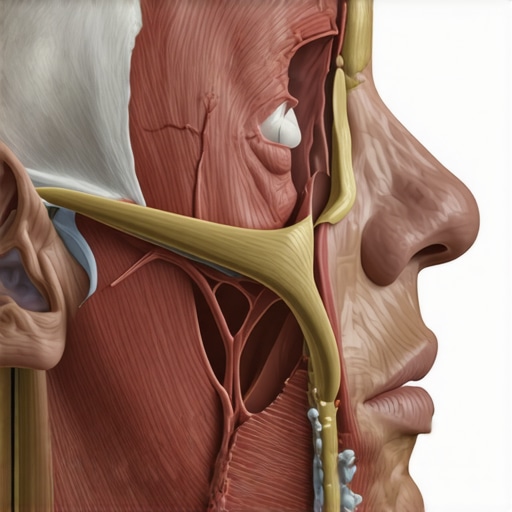
Have you ever suddenlly doubled over with a surprising, sharp jolt when a sneeze escapes? I remember the first time it happened to me—my face contorted, but more unexpectedly, a searing pain shot through my lower back, leaving me temporarily frozen. That moment was a wake-up call. It wasn’t just a random glitch; I realized I was ignoring some crucial signs from my body.
The Hidden Cause Behind That Pain When You Sneeze
For years, I brushed off that discomfort, thinking it was just part of aging or maybe a twist I ignored. But as I dug deeper, I discovered it’s often linked to something more insidious—an underlying weakness or misalignment in your spine that gets triggered during a forceful sneeze. When you sneeze, your body generates a sudden, intense pressure that can strain already compromised structures in your back, causing that unmistakable stabbing sensation. Interestingly, according to research published by the American Chiropractic Association, sudden sneezes can exert forces up to 100 pounds per square inch—more than enough to jolt a vulnerable spine into pain.
But what if I told you that understanding the true cause could help you prevent or significantly reduce these episodes? That’s exactly what I want to share—how to identify whether your sneezing-related pain is a sign of a bigger issue and what actionable steps you can take today to build a resilient, pain-free back.
Are You Falling for My Biggest Mistake?
Early in my journey, I made a common mistake: I focused only on treating the pain after it happened, instead of addressing the root cause. I used heat packs, took painkillers, and hoped it would go away. That’s like putting a bandage over a leak instead of fixing the pipe. Trust me, it only delayed my recovery and made me more susceptible to future flare-ups. The real breakthrough came when I sought expert guidance and learned about simple yet effective techniques to strengthen and realign my spine. Curious about how to do the same? I’ll walk you through the core strategies that transformed my mobility and eliminated those sharp shocks from sneezing entirely—stay tuned to discover the secrets that work.
Start with Simple Posture Adjustments
When I first experienced relief, the first step I took was correcting my sitting posture. I replaced my slouched workstation chair with an ergonomic one that supports my lumbar curve. This minimal change prevented excessive strain, much like building a sturdy foundation for a house. To implement this, sit with your feet flat on the ground, knees at hip level, and shoulders relaxed. Adjust your chair height to keep your hips slightly higher than your knees. Regularly checking this position can be a game-changer for your spinal health. For more tips on ergonomic setup, visit Enhance Your Back Mobility.Many people believe that sciatica, neck pain, and back discomfort are simply the results of misaligned bones or tight muscles, but the reality is often much more complex. A common misconception is that all pain stems from structural issues that require aggressive interventions like surgery or constant adjustments. However, recent research emphasizes the importance of neuromuscular function and proprioception in managing pain and restoring mobility. For instance, Dr. Stuart McGill highlights that poor sensorimotor control often plays a pivotal role in chronic back pain, yet this nuance is frequently overlooked in favor of quick fixes. This oversight can lead to treatment strategies that only address symptoms rather than root causes, making pain persistent and recurrence likely. Beware of the trap of solely focusing on superficial fascia release or stretching routines without integrating core stabilization and motor control training. These techniques may temporarily soothe discomfort but do little for long-term resilience. If you’re serious about overcoming persistent pain, understanding the sophisticated interplay between your nervous system and muscular control mechanisms is essential. Dive into expert strategies that emphasize neuroplasticity and dynamic stability—more effective than conventional methods. For example, functional movement training tailored to your unique neuromuscular patterns can drastically improve outcomes. To learn more about these advanced approaches, check out Back pain breakthroughs that prioritize functional stability. Critically, most individuals underestimate how ingrained movement patterns can become, reinforcing pain cycles. Recognizing and correcting these subtle yet impactful issues can unlock a new realm of mobility and pain-free living. Before rushing into invasive procedures or prolonged medication use, consider an assessment of your neuromuscular control and proprioception. This step often reveals hidden deficits that, once addressed, lead to lasting relief. So, the next time your back flares up unexpectedly, ask yourself: Is it just a bone or muscle problem, or could it be a deeper nervous system miscommunication? If so, targeted re-education might be your best route to sustainable recovery. Have you ever fallen into this trap? Let me know in the comments. For expert guidance on improving your spine’s resilience, explore daily mobility tips that reinforce your neuromuscular health.
Keeping It Working: Essential Tools for Long-Term Pain Relief
Maintaining your spinal health over time requires more than just occasional stretches; it demands consistent use of targeted tools and techniques that reinforce your body’s resilience. From ergonomic equipment to innovative technology, choosing the right resources can make a significant difference. Personally, I rely on a combination of specific devices and software that have proven effective in my routine, helping me stay pain-free and mobile well into the future.
One of my top recommendations is the use of a high-quality foam roller, specifically a dense, deep-tissue model. I prefer the TriggerPoint GRID Foam Roller, as its firm surface allows me to break down myfascia and release tension in areas prone to chronic tightness. Regular rolling with this tool—especially targeting my lower back and hips—has drastically reduced flare-ups and improved my flexibility. I incorporate this into my daily mobility routine, pairing it with gentle stretches to maintain a healthy range of motion. For a guided approach, I use apps that provide systematic foam rolling routines, which ensure I target the right muscle groups effectively.
Another indispensable device in my toolkit is a lumbar support cushion that adapts to my chair during prolonged desk sessions. I opt for adjustable cushions that allow fine-tuning of lumbar curvature, which has proven to prevent the typical slump that aggravates back pain. My go-to is the Everlasting Comfort Lumbar Support Pillow, which helps maintain proper posture, reducing strain on my lower back. Consistent use of this support, combined with ergonomic adjustments, fosters long-term spinal health and minimizes the risk of recurring issues.
In the realm of technology, I’ve incorporated wearable posture correctors like the UPRIGHT GO 2. This small device gently vibrates when I slouch, providing real-time feedback that trains me to adopt healthier sitting habits. The data collected by the accompanying app helps me track my progress and set daily posture goals. Over time, this proactive approach refines my awareness and ingrains better posture, which is essential for maintaining mobility and pain-free living.
Looking ahead, trends indicate a rise in AI-driven biomechanical assessment tools integrated into smartphone apps. These systems could analyze your movement patterns in real-time and suggest personalized exercises. Such advancements promise to elevate remote management of spinal health, making regular check-ins more accessible. I predict that combining these digital innovations with traditional tools will become standard practice for sustained well-being.
How do I maintain my mobility tools and techniques over time?
Consistency is key. I schedule daily mobility sessions incorporating foam rolling and posture reinforcement, and I regularly update my ergonomic setup to adapt to my changing needs. Periodic consultations with a specialist help me fine-tune my routine and address emerging issues early. Remember, a proactive mindset and embracing new technology can help you stay ahead of pain and preserve your mobility for years to come. For expert strategies on strengthening your spine, explore comprehensive back pain solutions.
The Hard-Knock Realization About Chronic Back Pain
One of the most profound lessons I learned is that pain often disguises itself as a simple symptom, but behind it lies a tapestry of underlying issues—something most people overlook. I used to treat flare-ups only with quick fixes, but I discovered that true healing requires addressing neuromuscular control and proprioception. Recognizing that my nervous system’s miscommunication was fueling my pain was a turning point, pushing me to explore strategies beyond just stretching or painkillers. This insight reshaped my entire approach, emphasizing quality movement and reactive stability over temporary relief.
Curated Tools That Transformed My Approach to Mobility
Over the years, I found that certain tools became essential allies in my journey. For instance, the TriggerPoint GRID Foam Roller helped me release fascia tightness, significantly reducing my episodes of sharp pain. I also trust the Everlasting Comfort Lumbar Support Pillow for maintaining proper posture during long workdays. For real-time feedback, I rely on the UPRIGHT GO posture corrector, which trains my body to hold better alignment naturally. These resources, combined with consistent effort, are key to sustaining long-term mobility and comfort.
Your Turn to Reclaim Control and Embrace Movement
Remember, managing back, neck, and sciatic pain isn’t about quick fixes but committing to a smarter, more resilient movement routine. Every step you take towards understanding your body’s signals and implementing targeted strategies can lead to lasting relief. The journey may be challenging, but with patience and the right tools, genuine recovery is within reach. I encourage you to take that first proactive step today—your future pain-free self will thank you.
What’s one change you’ve been hesitant to try in your mobility routine? Share your thoughts below, and let’s start a conversation that inspires action.
,