
The Nerve Glide That Stops Leg Pain in Seconds
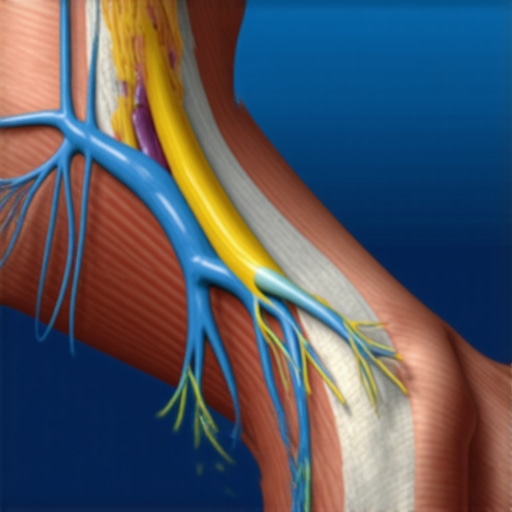
I remember the day vividly. I was stuck in traffic, clutching my steering wheel, when a sharp, shooting pain shot down my leg. It was as if my nerve had decided to toss a surprise party right then and there, uninvited. That moment was a wake-up call. I realized I couldn’t keep living with this unpredictable agony that struck without warning.
Discovering a Simple Movement That Changed Everything
After countless hours of research and experimenting with various relief techniques, I stumbled upon a nerve glide that stopped my leg pain in seconds. Yes, seconds. It was like flipping a switch—suddenly, the stabbing discomfort vanished, and I could stand or walk without that nagging sense of weakness or tingling. It felt too good to be true, but it was real. This discovery transformed my approach to leg-related nerve pain, especially from conditions like sciatica.
Are you Skeptical About Its Effectiveness?
Believe me, I was too. I had made the mistake early on of dismissing simple movements that seemed too obvious to work. I thought, “This can’t be enough,” and ignored it. But dismissing easy solutions is a common trap. Now, I wish I had learned earlier how powerful targeted nerve glides can be. If you’re like I was—doubting or desperate—know that straightforward, gentle movements might just save you from prolonged discomfort. For more insights, check out how to revitalize your neck and nerve health and why proper nerve mobilization matters.
Understanding why these movements work is essential. When I first tried to tackle the pain, I was making the mistake of neglecting the underlying nerve tension. This approach often worsens symptoms or provides only temporary relief. Expert advice indicates that nerve gliding techniques help improve nerve mobility, reducing compression and irritation that cause leg pain (source: Mayo Clinic).
Join me as we explore how to incorporate this simple but powerful movement into your routine, so you can regain control of your mobility and say goodbye to leg pain once and for all.
,
Start with a Clear Setup to Maximize Effectiveness
Before diving into nerve gliding exercises, ensure you’re in a comfortable space where you can focus on slow, deliberate movements. Sit or lie down in a neutral position, keeping your spine supported. Think of this setup as planting a solid foundation before building—without it, the movement won’t be as effective, and you may risk strain.
Master the Basic Nerve Glide Technique
Lie on your back or sit upright, then gently tilt your head away from your shoulder while simultaneously extending your arm overhead. Slowly return to starting position and repeat. I remember the first time I tried this, my hand was shaky, and my neck felt tense. Initially, it felt awkward, like trying to untangle a knot in your shoelace without pulling too tight. Persistence is key; start slow, emphasizing gentle movement over speed.
Integrate Breathing to Enhance Movement
As you perform the nerve glide, breathe deeply and steadily. Inhale as you prepare, exhale slowly as you move into the stretch. Deep breathing relaxes the surrounding muscles, making nerve mobilization more effective. I found that holding my breath only increased tension, so focus on steady inhales and exhales—like calming a restless river. This approach helps prevent overextension and reduces the risk of aggravating your symptoms.
Employ Micro-Movements for Better Mobility
Break down the exercise into tiny, controlled motions. For example, when extending your arm, do so in increments of a few millimeters, pausing to assess how your body responds. I once rushed with larger movements, which caused more discomfort. Then I learned to move slowly—like creeping forward in thick mud. This micro-movement technique prevents overstretching and allows your nervous system to adapt gradually, promoting long-term mobility gains.
Build a Routine and Track Progress
Consistency outperforms intensity. Incorporate these gentle nerve glides into your daily schedule, perhaps during breaks or after stretching. Keep a simple journal noting how each session feels—any improvement, lingering pain, or new sensations. I remembered a period where I neglected my routine; my pain crept back. Re-establishing the habit and monitoring my responses helped me adjust the movements, leading to sustained relief.
Combine with Posture and Ergonomic Adjustments
Complement nerve gliding with ergonomic modifications, like adjusting your chair height or desk setup, to reduce nerve compression during everyday activities. Think of the exercises as freeing the nerves; proper posture keeps them from binding again. I found that by aligning my workstation, I minimized nerve tension outside of dedicated exercises, creating a more holistic improvement.
Know When to Seek Professional Guidance
If your symptoms persist or worsen, consult a healthcare provider familiar with nerve mobilization techniques. They can tailor exercises to your specific needs and ensure your safety. Remember, even simple movements can cause harm if done improperly. I learned this lesson the hard way, and professional advice became my safety net, preventing setbacks and reinforcing correct technique.
Many assume that common back and neck pains are simply due to muscle strain or poor posture, but this oversimplification can lead to costly mistakes. Contrary to popular belief, not all pain is benign or purely muscular; sometimes, it signals a deeper issue that requires careful evaluation. For instance, while stretching or foam rolling are widely recommended, overdoing these can worsen underlying problems, especially if nerve impingements are involved. The key is recognizing the nuance—pain often has a hidden cause that simple exercises can’t resolve alone.
A common myth is that persistent pain always indicates injury needing aggressive treatment. In reality, ongoing discomfort might stem from neural tension or misalignment, where nerve mobility restrictions are the real culprits. Ignoring these signs and solely focusing on muscle strength or flexibility can delay appropriate interventions. Studies, such as those referenced by the Mayo Clinic, underscore the importance of distinguishing between muscular pain and nerve-related symptoms, which often require specialized mobilization techniques rather than generic stretching.
Are you stimulating your nerves properly to promote mobility? Many advanced practitioners emphasize targeted nerve gliding as a crucial, often overlooked, strategy. While most focus on strengthening or stretching, improving nerve mobility addresses the root cause in cases of sciatica, neck tension, or chronic back stiffness. If nerve restrictions go unaddressed, symptoms tend to linger or worsen even after conventional exercises. Incorporating specific nerve mobilization techniques can dramatically accelerate recovery and restore function, as detailed in expert-led resources.
So, the next time you’re battling pain, consider whether you might be missing this critical component—nerve health. Misjudging the nature of your discomfort can keep you trapped in a cycle of ineffective treatments. Want to learn how to properly evaluate your symptoms and implement advanced mobility strategies? Check out our guides on posture correction and sciatica relief. Don’t fall into the trap of superficial fixes—sometimes, the real solution lies beneath the surface.
Have you ever fallen into this trap? Let me know in the comments.
How do I maintain my mobility tools and techniques over time?
Staying consistent with your mobility practices requires the right tools and a proactive maintenance routine. I personally rely on a few key pieces of equipment that have proven invaluable in my journey toward lasting relief. For example, a high-quality foam roller like the TriggerPoint GRID Foam Roller has been instrumental in maintaining my muscular flexibility. I use it regularly to target tight spots, which helps prevent stiffness from reasserting itself. Regularly cleaning and replacing the foam roller’s surface ensures it remains effective—dirt and sweat can build up over time, reducing its efficacy and inviting bacteria.
Additionally, a therapeutic massage ball helps me target specific trigger points in my neck and shoulders. These compact devices are excellent for self-myofascial release and are easy to store and clean. I rotate through a couple of different densities depending on muscle tension, ensuring I can adapt to my body’s changing needs. Keeping these tools in good condition means they’ll be ready whenever I need to perform quick maintenance on my muscles.
On the digital side, I utilize specialized apps like mobility tracking apps. These apps help me stay accountable by reminding me to perform my recommended daily exercises and track progress over time. Tech tools can be surprisingly effective in maintaining discipline and consistency, especially when your routine is long-term.
Looking ahead, I predict that integrated sensor technology will become more prevalent. Wearables that monitor posture and muscle tension in real-time could provide immediate feedback, helping prevent setbacks before symptoms worsen. Researchers are exploring advanced biofeedback devices that alert users to poor ergonomics or muscle strain—imagine a smart shirt that vibrates when you slouch or tighten your neck muscles. This technological evolution promises more personalized and preventive approaches to back and neck health, making maintenance more precise and accessible. For now, I suggest incorporating a daily routine that combines physical tools with mindful practices, like exercise journaling or app-based reminders, to keep your mobility on track.
Quick tip: Try adding a daily 2-minute foam rolling session to prevent stiffness. Consistency is key to long-term results!
Remember, maintenance isn’t a one-time effort but an ongoing process. Regularly evaluate your tools and techniques, replacing what’s worn out and fine-tuning your routine based on your progress. For specific guidance tailored to your symptoms, consider reviewing your overall health with a professional, especially if symptoms persist or worsen. You can check out how to identify serious back pain symptoms to ensure you’re staying proactive. Don’t wait for pain to become unmanageable—commit to regular upkeep now, and your future self will thank you.
Over the years, I discovered that one of the most profound lessons in managing neck pain, back pain, and sciatica was realizing how overlooked nerve mobility truly is. It’s not just about muscles stretching or strengthening—it’s about understanding and restoring the freedom of your nerves to glide effortlessly through tissues. When I finally prioritized nerve gliding techniques, my pain transformed from a relentless cycle into manageable moments of relief. This personal journey taught me that the secret to lasting relief lies beneath the surface, in the tiny, often ignored pathways that nerves travel. If you’re tired of temporary fixes, consider shifting your focus inward—your nerves may hold the key to long-term well-being and mobility.