
The Real Reason Your Head Feels Heavy at Your Desk

Ever found yourself staring at the screen, feeling that sluggish heaviness weighing down your head, making it tough to focus? One day, I caught myself hesitating before turning my head, as if my neck had turned into a stiff board. That moment was my lightbulb. I realized that what I felt wasn’t just fatigue—it was my body signaling a deeper issue.
The Unseen Culprit Behind That Heavy Head
If you’ve ever experienced that sensation of a heavy, foggy head while working at your desk, you’re not alone. It’s a sneaky problem that creeps up without warning, often dismissed as mere tiredness. But here’s the thing: your posture, neck tension, and even your workspace setup could be silently sabotaging your comfort and focus.
In my early days of working from home, I made a classic mistake—forgetting to adjust my ergonomic setup. I thought a comfy chair and a lap desk were enough. Turns out, poor posture and static positions can cause muscle strain, restricting blood flow and nerve signals. This muscle tension often feels like a heavy head or a crushing sensation, especially after hours of hunching or craning my neck.
Research supports this, highlighting how neck and shoulder tension can reduce blood flow and cause dizziness or a feeling of heaviness—nothing to ignore. I found that addressing these issues with small, intentional changes made a world of difference. Today, I’ll share simple yet effective strategies to help you free yourself from that foggy, heavy-headed grind.
What if it’s just stress or fatigue? Does that really cause your head to feel heavy?
Early on, I thought my frequent bouts of stress or exhaustion were the main culprits. But I learned that these feelings are often exacerbated by physical factors. Stress might tighten your muscles, but poor posture and muscle imbalances worsen the load on your neck and shoulders, creating a cycle that’s hard to break. Real relief comes from understanding and addressing this root cause. If you want to learn more about how to improve your neck mobility and reduce tension, check out this useful guide.
If this sounds like a familiar frustration, don’t worry. You’re not alone, and the solution is more accessible than you might think. Next, I’ll walk you through simple, practical steps to help you feel lighter, clearer, and more comfortable at your desk. Ready to take control of your neck and head sensations? Let’s get started.
Stretch and Strengthen Regularly
Start with gentle neck stretches like slowly tilting your head side to side, holding each position for 10 seconds. Incorporate movements that target your upper back and shoulders, such as shoulder rolls, to release built-up tension. I once set a timer for every 30 minutes during my workday to remind me to stretch; initially, it was awkward, but over time, it became a habit that significantly eased my neck stiffness.
Optimize Your Workspace Ergonomics
Adjust your chair height so your feet are flat on the floor, and your knees are at a 90-degree angle. Ensure your monitor is at eye level to avoid craning your neck downward or upward. Remember, a properly aligned workspace acts like a foundation for good posture—analogous to ensuring a building’s footing is solid before decorating the interior. Check out this guide for ergonomic tips to enhance your daily comfort: Enhance Your Back Mobility.
Incorporate Mobility Drills Into Your Routine
Engage in specific mobility exercises daily to maintain and improve your neck’s range of motion. Simple movements such as controlled neck rotations, looking left and right slowly while seated, help keep fibers supple. I experimented by doing five minutes of these exercises after every meal, noticing a reduction in frequent tightness. Think of your neck muscles as rubber bands—without regular stretching, they become stiff and prone to snapping under pressure.
Practice Deep Breathing and Relaxation
Stress contributes to muscle tightness, so integrating deep breathing exercises can release tension. Take a deep breath through your nose, hold for four seconds, then exhale slowly through your mouth. This technique signals your nervous system to relax, easing muscular constriction. I found that using a 2-minute breathing routine before bed helped reduce nightly neck cramps.
Address Underlying Issues with Proper Techniques
Sometimes, neck pain stems from poor movement patterns or specific habits, like looking down at your phone frequently. Be mindful of your daily actions. For example, instead of craning your neck to check your phone, bring the device closer or elevate it. Consider consulting a professional if persistent discomfort remains—sometimes, targeted therapies like those described here Neck Pain Solutions are necessary to resolve deeper issues.

Implementing these techniques gradually will build resilience in your neck muscles, reducing heaviness and enhancing mobility. Remember, consistency is key: even small daily efforts compound over time, leading to lasting relief.
Many believe that neck pain and mobility issues stem solely from muscle strain or minor injury, but in reality, there’s a common misconception that’s often overlooked: the idea that pain is purely local and easy to fix. This myth leads many down the wrong path, focusing only on surface-level treatments like stretching or quick fixes, when deeper structural imbalances or neurological factors are at play. For example, a study published in the Journal of Orthopaedic & Sports Physical Therapy emphasizes how posture habits, subtle alignment issues, and even cranio-cervical dysfunction contribute significantly to chronic neck pain and restricted movement, yet these nuances are frequently ignored by laypeople and even some practitioners.
Are Your Pain Patterns Revealing Hidden Postural Faults?
Recognizing that pain often signals a systemic imbalance rather than a isolated muscle problem can be a game-changer. For instance, persistent tension in the neck might actually be linked to dysfunctional breathing patterns or compensatory movement habits originating from the hips or thoracic spine. Addressing only the symptom—neck stiffness—without examining underlying causes may offer temporary relief but fail to prevent recurrence. To truly improve mobility and reduce pain, you need to understand and correct these root issues through integrated assessments and targeted interventions. Avoid falling into the trap of thinking that simple stretches alone will resolve complex issues—comprehensive approaches that include posture correction, breath work, and neurological considerations yield lasting results. For more on managing persistent back or neck issues, explore this guide to restoring spinal mobility. Remember, your body is a connected system; neglecting this interconnectedness often prolongs discomfort. By developing a nuanced understanding, you can avoid common pitfalls and make smarter decisions in your recovery journey. Curious if your pain might be linked to deeper structural issues? Check out this resource on neck pain and stress to learn how stress, posture, and habitual movement patterns intertwine. Have you ever fallen into this trap? Let me know in the comments.
Maintaining the progress you’ve made in alleviating neck, back, or sciatica pain requires more than just reading tips—it calls for the right tools and routines that support your body long-term. Over the years, I’ve curated a set of specific equipment and software that have profoundly impacted my mobility and pain management. Today, I want to share these insights so you can keep your body functioning optimally.
Choosing the Perfect Ergonomic Setup
First and foremost, an adjustable ergonomic chair with lumbar support has been a game-changer. I personally rely on the proper lumbar support that adapts to my lumbar curve, preventing slouching and spinal strain. Coupled with a sit-stand desk, I cycle between sitting and standing every 30 minutes, which fosters circulation and reduces muscle fatigue. An investment here not only alleviates pain but also boosts productivity.
What software keeps your movement in check?
Employing reminder apps like Workrave or Stretchly prompts me to take micro-breaks and perform quick mobility exercises. These tools have become integral to my routine, ensuring I don’t fall into static positions. For addressing neck stiffness, I use a dedicated routine, perhaps following instructions from neck relief techniques, with the aid of gentle timers. This automation ensures consistent care, even on busy days.
Effective Mobility and Massage Devices
In my arsenal is a 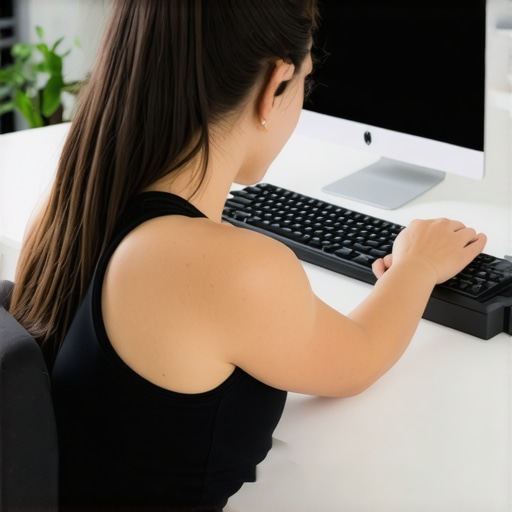 – a foam roller with a textured surface designed for myofascial release. It helps loosen tight muscles around my shoulders and hips, crucial areas linked to spinal health. Additionally, a tennis ball used against the wall targets trigger points that contribute to nerve compression or muscular tension. Regular use of these tools, inspired by myofascial release principles, keeps my tissues supple and reduces long-term discomfort.
Monitoring and Learning Tools
Apps like Clinometer or Posture Screen allow me to track my spinal alignment via smartphone camera. They provide visual feedback that encourages proper posture adjustments. In the future, I predict these visual tools will integrate AI to give real-time corrections and personalized exercises, making long-term posture optimization more accessible.
How do I maintain my progress over time?
Consistency is key. I set aside 10-15 minutes daily for targeted mobility drills, like controlled neck rotations or deep breathing. Incorporating regular use of ergonomic supports and reminder software keeps me on track. Remember, chronic pain management isn’t a one-time fix; it’s a lifestyle. For ongoing updates and detailed guides to maintaining spinal health, explore our ergonomic tips page.
Don’t hesitate to experiment with these tools—try integrating the foam roller into your morning routine or use posture feedback apps during your workday. Small, consistent efforts compound into lasting results. And if you’re ready for advanced techniques, I encourage you to implement the for trigger point therapy and feel the difference within days.
What I Wish I Knew Before Battling Chronic Neck and Back Pain
Early in my journey toward pain-free living, I believed quick fixes and isolated stretches would do the trick. But the real breakthrough came when I recognized the importance of addressing underlying patterns and systemic issues rather than just symptoms. I realized that true mobility comes from understanding how interconnected every part of my body is—posture, breathing, habits—and not just isolated muscle tension. This eye-opener pushed me to embrace a comprehensive approach, leading to lasting relief that simple routines couldn’t provide.
My Go-To Resources That Transformed My Approach
The key to ongoing progress was learning from trusted sources with practical insights. I swear by the ergonomic tips page, which revolutionized my workspace setup, and the mobility mastery guide that keeps my spine healthy. For targeted relief on stubborn issues, conquering sciatica and neck pain solutions have provided step-by-step strategies I trust. These resources have empowered me to maintain my progress and adapt as my body needs evolve.
Feeling inspired to take action? Your mobility awaits
Remember, tackling neck and back discomfort is a journey, not a quick fix. The most important step is to start incorporating mindful movements, ergonomic awareness, and intentional habits into your daily routine. Small consistent efforts—like regular stretches and mindful posture—compound over time, transforming your body’s resilience and mobility. Believe in your capacity to improve, and take the first step today. Your future self will thank you for it.