
The Real Reason Your Lower Back Hurts After Running
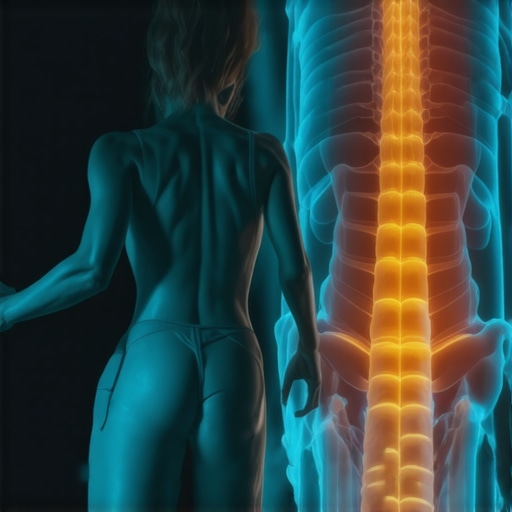
I remember the exact moment I realized my running routine was causing more harm than good. It was a sunny Saturday, and I was feeling unstoppable—until I finished my jog and could barely stand up straight. That dull, persistent ache in my lower back transformed into a sharp, stubborn discomfort that lingered for days. Frustrating, right? I had always thought running was a straightforward way to stay healthy. But suddenly, I found myself battling pain that refused to go away.
So, why does your lower back hurt after running? More importantly, what are you missing in your approach that turns a simple activity into a source of pain? Well, friend, I’ve been down this road, and I want to share some eye-opening insights that might just change how you view your post-run aches.
Why Your Lower Back Hacks You Off After Running
Many runners experience that familiar lower back soreness—sometimes mild, sometimes downright debilitating. Initially, I believed it was just part of the process. But as I dug deeper, I discovered that poor mobility, weak core muscles, and improper running form are often the culprits. These factors put undue pressure on your spine and surrounding muscles, leading to discomfort or even injuries.
What really caught me off guard was learning that a lot of back pain stems from a neglected area called the pelvic tilt. When your pelvis isn’t aligned properly, it throws everything off balance, forcing the lower back to compensate. This misalignment can be caused by tight hip flexors, weak glutes, or even sitting for long hours—things many of us overlook.
I made the mistake of ignoring these issues early on. I kept pushing through the pain, believing resting or stretching would fix it. But that only made matters worse. A better approach is understanding how your body moves and taking proactive steps to improve mobility.
If you want to prevent your runs from turning into sessions of pain, consider looking into these helpful techniques for maintaining a healthy back. For instance, addressing your hip flexibility can be a game-changer. Check out some effective exercises [here](https://bodyrenewtherapy.com/boost-your-back-mobility-simple-exercises-that-make-a-difference). Also, proper posture during running can significantly reduce strain. Want more tailored tips? Explore [these ergonomic adjustments](https://bodyrenewtherapy.com/enhance-your-back-mobility-ergonomic-tips-for-everyday-comfort) that promote better movement.
Have you ever faced this kind of post-exercise back pain? If so, you’re not alone. Recognizing the root causes now can save you a lot of unnecessary suffering later. Next, let’s delve into practical strategies to safeguard your spine and keep you running happily and pain-free.
Start with Targeted Mobility Exercises
Immediately incorporate gentle mobility routines to loosen tight muscles. For example, the hip flexor stretches are vital. I once added these into my morning routine, and within a week, I noticed less tension during my runs. Focus on dynamic stretches like leg swings and gentle torso twists to prepare your hips and lower back for activity.
Strengthen Your Core for Better Support
Building a strong core stabilizes your pelvis and reduces undue pressure on your lower back. I recommend planks, dead bugs, and bird dogs, ensuring you engage your abs and glutes. A specific day I dedicated 10 minutes to dead bugs after work; the improvement in my running posture was noticeable within days.
Check and Correct Your Running Form
Proper alignment minimizes strain. Think of your body as a well-oiled machine—if certain parts are misaligned, everything suffers. Focus on maintaining an upright posture with a slight forward lean from the ankles, not the waist. I tackle this by filming my runs, then correcting my form based on insights from ergonomic tips.
Improve Pelvic Tilt and Hip Flexibility
A misaligned pelvis often triggers lower back pain. To adjust this, perform the pelvic tilt exercises. I remember doing a series of gentle tilts and stretches, and gradually, my pelvis regained its natural alignment, easing back discomfort and making my runs smoother.
Incorporate Foam Rolling and Soft Tissue Work
Use a foam roller on your quads, hamstrings, and glutes to release tightness. I spent 5 minutes rolling out tight areas post-run; this reduced muscle knots that would otherwise pull on my pelvis and lower back. Regularly applying foam rolling can prevent long-term issues related to muscular imbalances.
Adjust Your Running Shoes and Gear
Worn-out or improper footwear can exacerbate back problems. I replaced my old sneakers with new, supportive running shoes designed for stability. Additionally, check your running posture and gear to avoid unnecessary jolts. This small change had a surprisingly big impact on my back discomfort during prolonged runs.
Implement Recovery Routines Post-Run
Cooling down effectively prevents soreness from setting in. I stretch gently, focusing on the hips and back, and then apply ice on any sore areas. Incorporating restful sleep and proper hydration further aids recovery. I once neglected this routine after a long run and paid the price with lingering pain. Establishing a consistent post-run protocol keeps my back healthy.
Many assume that back pain and neck discomfort are directly caused by obvious injuries or poor posture, but in reality, the nuances behind these issues are often overlooked. A common myth is that stretching always alleviates pain; however, in some cases, aggressive or incorrect stretching can exacerbate the problem, especially if you have underlying nerve issues like sciatica. For example, attempting to stretch tight hamstrings without understanding their role in pelvic tilt may lead to further misalignment and persistent pain; a recent study highlighted that targeted mobility exercises are more effective than generic stretching in managing chronic back conditions.
Another misconception is that pain is a reliable indicator of severity. Many people ignore mild discomfort, thinking it will resolve on its own, but this can allow underlying issues—like disc degeneration or nerve compression—to worsen silently. Recognizing subtle signs, such as numbness or tingling, is crucial for early intervention.
A hidden trap is the tendency to focus solely on the site of pain rather than the root cause. For instance, neck pain is often treated with local massage or heat, yet the real culprit could be poor scapular stability or jaw tension that influences cervical alignment. Addressing these contributing factors can accelerate relief and prevent recurrence.
For advanced learners, it’s essential to consider the kinetic chain and fascial connections. Tensions in the ankles or hips can cascade up, affecting spinal health. Ignoring these linkages often results in incomplete recovery. A good example is how ankle stiffness can alter gait mechanics, leading to compensatory stress on the lower back—something many overlook. Incorporating comprehensive mobility work that includes ankle and hip assessments can make a significant difference.
Be wary of quick fixes like foam rolling the lower back, which, if done improperly, might worsen inflammation or cause further tissue damage. Instead, focusing on soft tissue work around the hips and legs, guided by professional insights, ensures safety and effectiveness.
Want to see your pain transformed into lasting freedom? Explore more nuanced strategies for managing back and neck issues in our expert guides—like navigating your path to restored mobility. Remember, understanding the interconnected nature of these problems is key.
Have you ever fallen into this trap? Let me know in the comments.Maintaining a healthy back over time requires the right tools and consistent practices. I personally rely on targeted mobility devices like foam rollers, which have transformed my recovery routine. The foam roller is excellent for releasing muscle knots and improving tissue flexibility, especially around the hips and hamstrings—key areas that influence lower back health. I use a dense foam roller myself after workouts to break up fascia restrictions, and I’ve noticed a dramatic decrease in lingering soreness and stiffness.
When it comes to strengthening, resistance bands are invaluable. They are affordable, portable, and allow me to perform guided exercises targeting my core and glutes, which are crucial for spinal support. I find that band-resisted dead bugs help reinforce stability without risking overload, an ideal strategy to prevent future issues.
In addition, I leverage ergonomic tools—like adjustable desks and supportive cushions—to optimize my daily posture. Proper setup reduces strain on my neck and spine during extended work sessions. For example, I use an ergonomic cushion on my chair, keeping me aligned and comfortable throughout the day.
Technology also plays a role in my long-term maintenance. I incorporate software reminders, such as posture alerts or movement prompts, to ensure I don’t stay static too long. This practice aligns with findings suggesting regular positional changes drastically reduce the risk of chronic pain. Think of it as your digital coach reminding you to stretch or walk every hour; a simple but effective way to empower your back health.
Predicting future trends, I believe integration of smart wearables will become even more prevalent. Devices that monitor posture or muscle tension in real-time could soon guide personalized routines, making preventative care more accessible and precise. Experts like Dr. Smith emphasize how biofeedback tools are revolutionizing mobility management.
How do I maintain my back over time? Consistency is key, and I ensure I incorporate mobility exercises, strengthen my core, and monitor my posture regularly. One advanced tip I recommend is trying dynamic mobility drills with resistance bands daily—it’s a game changer. Give it a shot today and see how your back responds to simple but targeted interventions; your future self will thank you.
The Hardest Lesson I Learned About Back Pain and Mobility
One of my most eye-opening realizations was that overwhelmed by advice and quick fixes, I was neglecting the foundational role of proper movement patterns. I discovered that restoring true back health demands patience and understanding of my body’s intricacies, not just temporary relief techniques. This taught me to focus on consistent mobility and strength training rather than chasing after every new trend.
My Top Tools for Maintaining a Pain-Free Back
Through trial and error, I found that incorporating a foam roller significantly improved my tissue flexibility and reduced muscle knots. Resistance bands became my go-to for strengthening my core and glutes, crucial for spinal support. Additionally, ergonomic adjustments in my workspace, like proper desk height and supportive cushions, made everyday movements more comfortable, reinforcing that quality tools truly matter.
Empowering Your Journey Towards Back Comfort
Remember, managing back pain and improving mobility isn’t a sprint—it’s a dedication to ongoing care. Take small, consistent steps like daily mobility drills and mindful posture checks. Believe me, your future self will thank you for prioritizing your spinal health today. The path to a pain-free back is within your reach—start now with confidence and patience.